


We’ve tracked this company since 2024, noting it several times over the past couple of years as a business we find incredibly interesting, but one that’s always been out of reach on price.
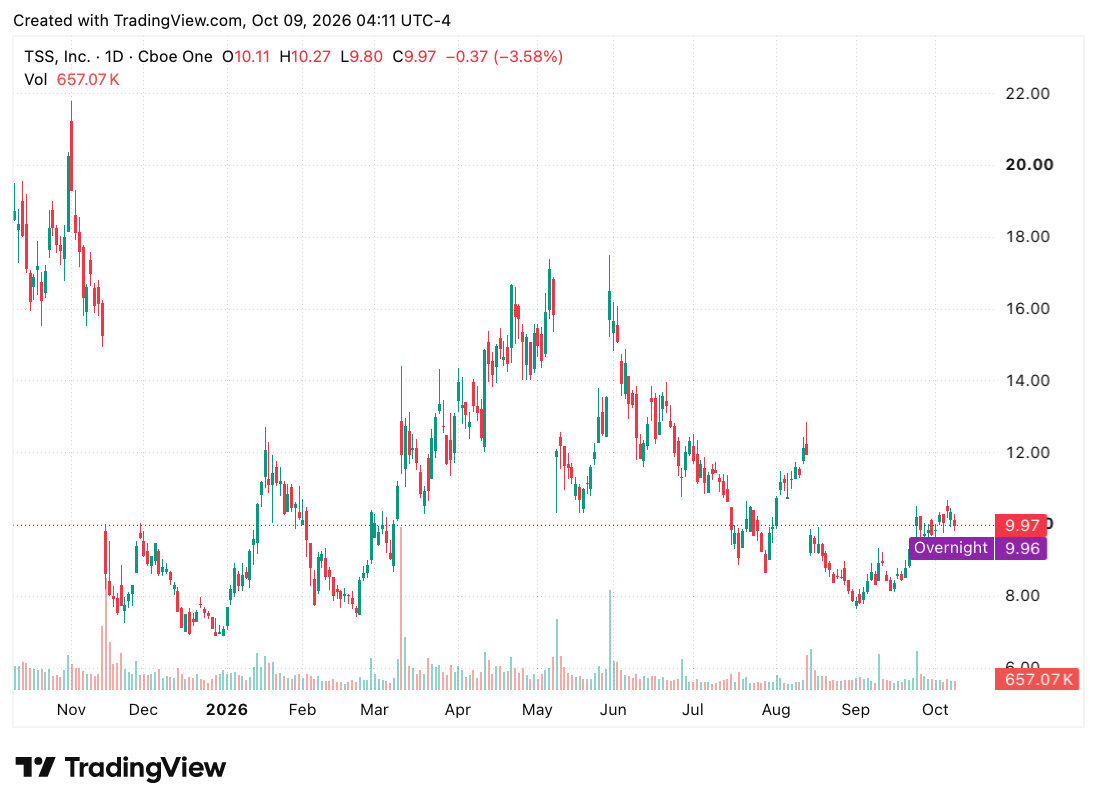
Here’s the last time we published the companies we were screening including TSSI 0.00%↑ :

The crowd has bashed it for its reliance on tiny-margin procurement that inflated the numbers on the way in and is deflating them on the way out.
But looking beyond that distraction, what we’re really seeing is a servicing component funneling business for Dell Technologies’ data center go-to guy.
We’ve been discussing this name quite a bit, especially throughout the second half of September. Make sure to join our chat so you don’t miss these discussions.
Let’s break this one down.
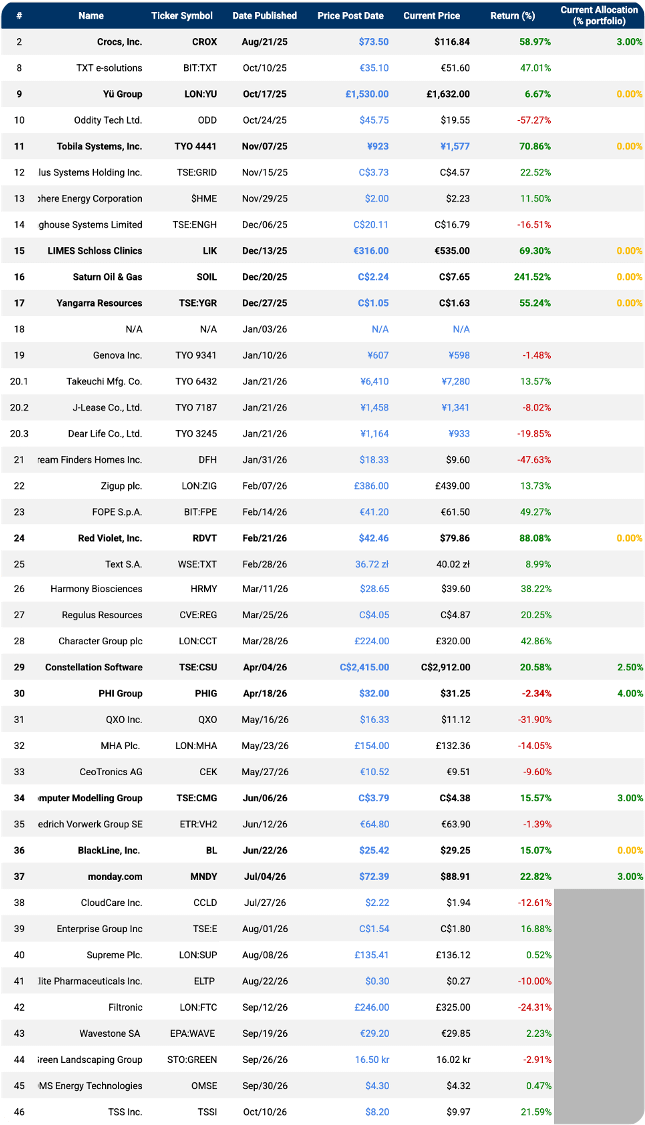
As we now do every week for transparency, here is our list of past Pick of the Week posts and their returns since publishing:
All picks (equally weighted): +17.42%

Pick of the Week. A curated series of high-conviction research on companies currently under our microscope. We screen for specific dislocations where the market has mispriced the balance sheet or earnings power (or both).
None of the following should be construed as investment advice. Please consult a financial advisor before making any investment decision. You will find a full disclaimer at the end of this post.


🧰 TSS Inc. ($TSSI)
⭐ Overall Grade: 8.0 / 10
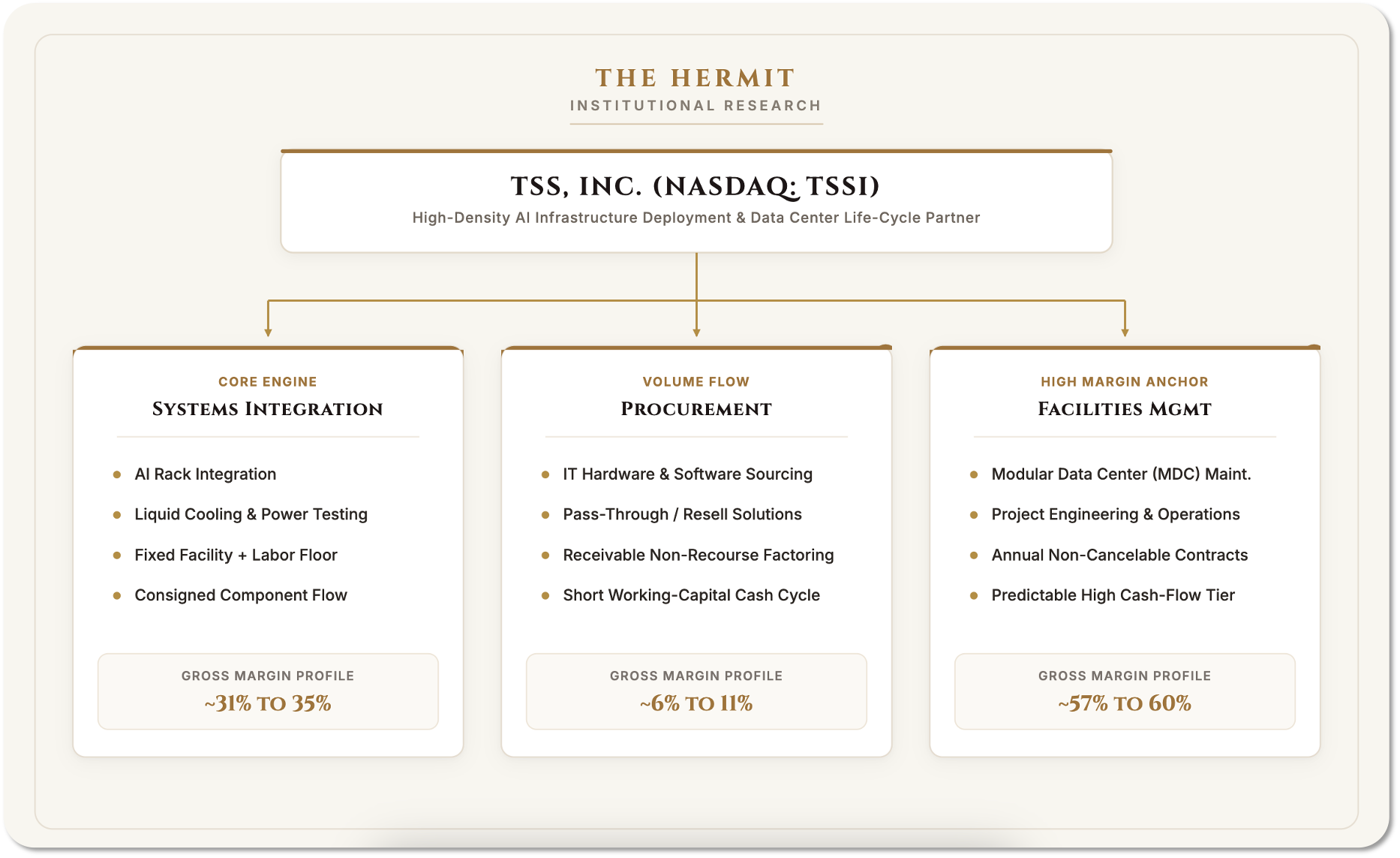
TSS, Inc. (Nasdaq: TSSI) operates as an infrastructure and deployment partner embedded within the physical part of the value chain of hyperscale and AI data centers.
Headquartered in Georgetown, Texas, the company takes high-density computing components (CPUs, high-performance GPUs, liquid cooling loops, switches, power units) and configures them into all-in-one server racks and modular data centers (MDCs) ready for immediate cloud deployment.
Before We Start… Procurement. What is it? Can I eat it?
For all of those who haven’t gone through the grueling process of tenders and procurements… no, you can’t eat it, but here’s a short summary of what the hell that actually is:
Procurement is a zero-margin pass-through purchasing service with a small markup fee that gets booked on gross revenue accounting whenever TSSI touches or configures the gear.
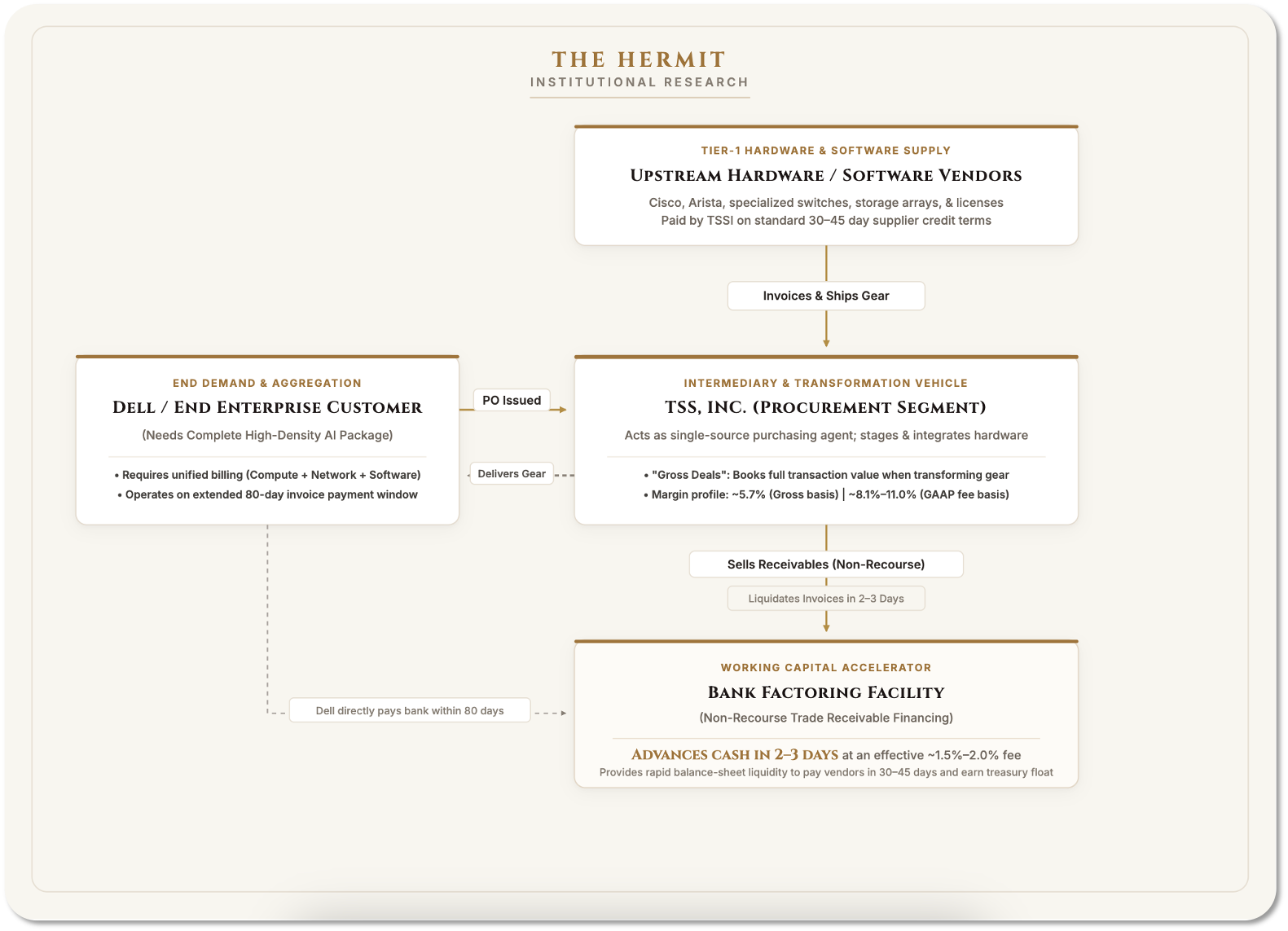
TSSI acts as an official purchasing agent for Dell and its end customers (frequently federal, state, and defense public-sector accounts).
In 2025, TSSI processed $279m of product in procurement. Reported procurement revenue was tens of millions per quarter, which maskes their core Systems Integration business look weak.
TSSI earns roughly an 8% to 11% reported gross margin on GAAP procurement revenue (which drops to ~5.5%–6.0% when measured against total gross merchandise value processed).
On deals where TSSI does not modify the product (pure drop-ship), GAAP forces them to book revenue on a net basis. That means they only recognize their ~6%–8% fee as revenue, and the massive hardware cost never hits the income statement.
The business itself doesn’t really change.
It’s only the accounting optics that do.
Because TSSI is a micro-cap with a limited balance sheet, it cannot afford to float $50m–$100m of third-party hardware on normal 60-to-90-day corporate payment terms. The mechanism that makes procurement function involves:
80-Day Payment Terms: When TSSI delivers the hardware, the customer (Dell/government) has up to 80 days to pay the invoice.
Non-Recourse Factoring: TSSI immediately takes those invoices to its banking partner and sells them within 2 to 3 days.
The Factoring Fee Drag: The bank advances the cash immediately so TSSI can pay its equipment vendors within 30 to 45 days, but the bank charges a factoring fee (recorded under operating expenses).
In H1 2026 alone, TSSI paid $1.21m in bank factoring fees (and $2.33m in H1 2025).
The Net Operating Margin: After factoring fees, shipping, direct admin, and overhead are subtracted, procurement’s true operating margin is only around 3-5%.
With this part cleared up, let’s now look at what they actually do.