


Welcome back dear fellow 🧙♂️ Hermits 👋
🧙♂️ First time here? → This 3-Minute Crash Course Will Save You Hours
💼 Monthly Portfolio Update → See Exactly Where the Smart Money is Moving
🧗 Why Bitcoin Is Going to Zero → Our Slightly Controversial Take

Today we’re going to do something slightly masochistic: talk about the plumbing of U.S. economic data and the independence of the Federal Reserve.
Not sexy, I know. But before you click away to meme-stocks or dog videos, ask yourself: what happens if the scoreboard itself can’t be trusted?
Because right now, between BLS (Bureau of Labor Statistics) data skepticism, Trump’s new appointees, tariff-driven inflation, and open attacks on Fed independence, we may be entering uncharted territory.
And a few people are already screaming: “When does the house of cards fall?”
Let’s review the data.

⚙️ 1. How the BLS Sausage Gets Made
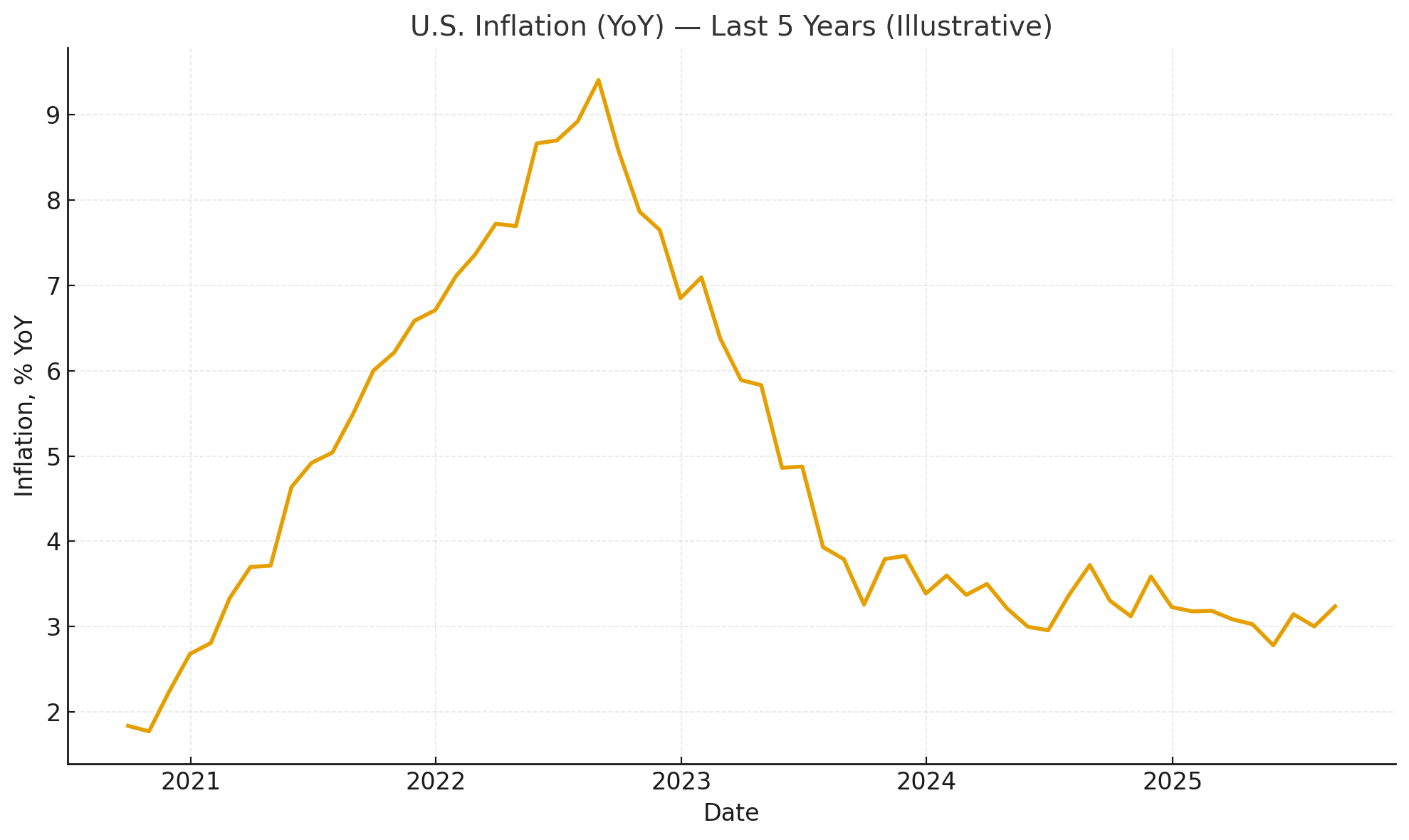
If you’ve ever watched the monthly jobs print or CPI release and thought, “this number feels suspiciously precise,” you’re not alone. The Bureau of Labor Statistics has always been… messy.
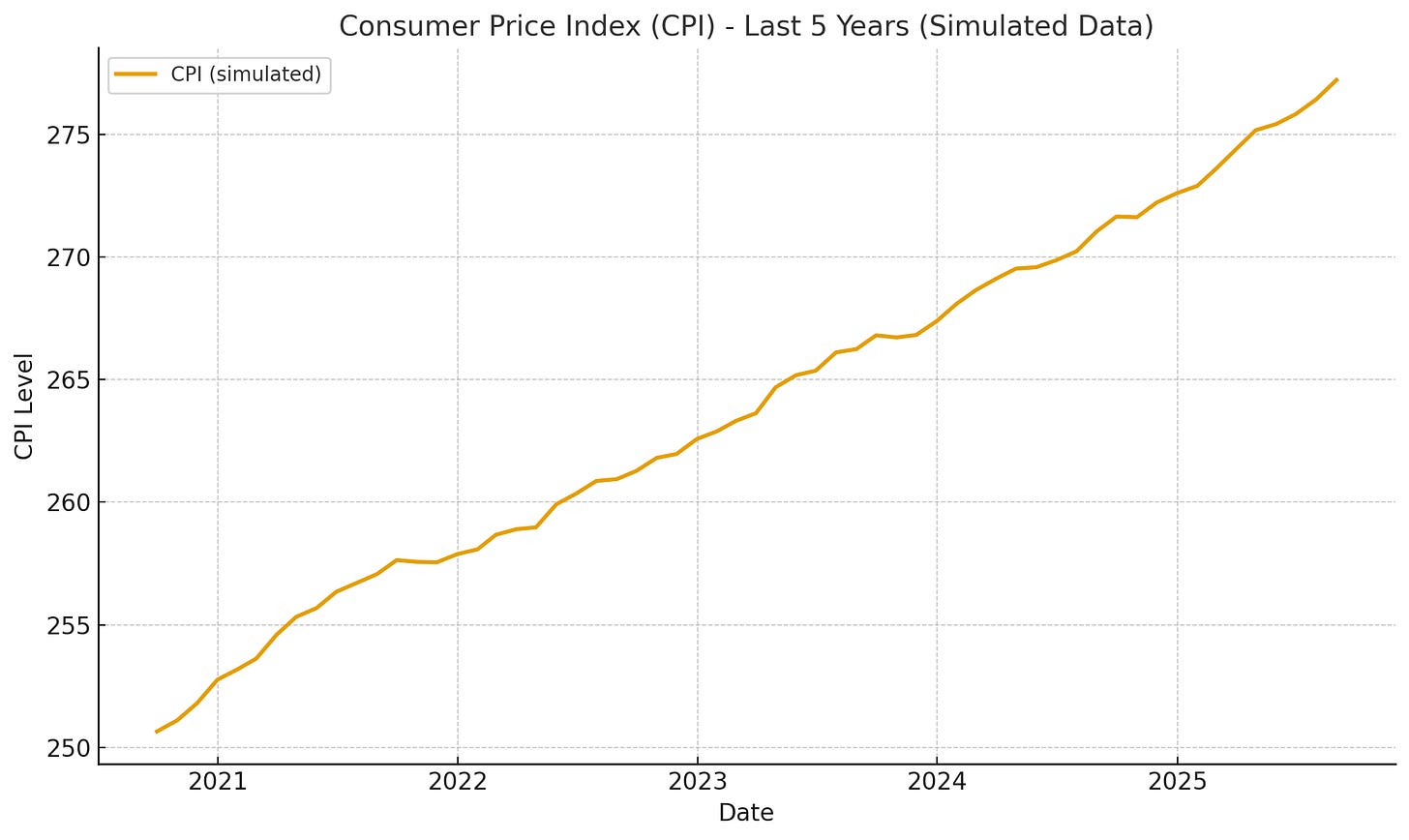
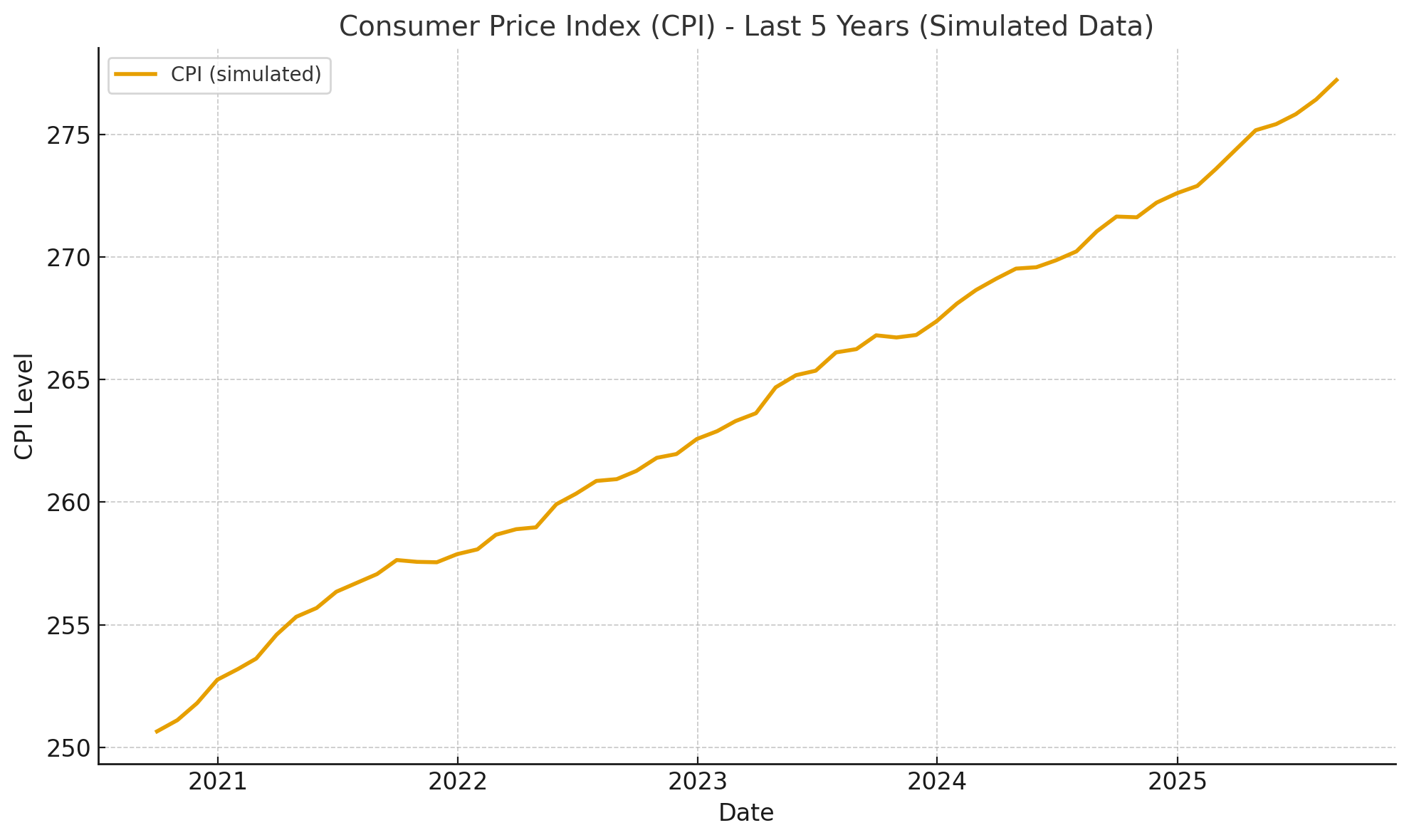
CPI ≠ PCE. The BLS reports CPI, which heavily weights Owners’ Equivalent Rent (OER). That’s a “pretend rent” you’d pay yourself — and it lags real rents by months. Meanwhile, the Fed’s preferred PCE index downweights shelter and updates weights more often. Hence CPI often looks hotter.
Birth-Death Model. No, it’s not a metal band. It’s the BLS’s way of estimating jobs created by new firms vs. those lost from closures. They can’t track real-time openings and deaths, so they model it and reconcile later with unemployment insurance records. Every year this gets benchmarked (prelim due Sept 9, 2025).
Survey Weakness. Post-pandemic, response rates in the household survey (CPS) have fallen. That means fewer households answering the door (or iPhone). Which means more revisions later.
Seasonal Adjustments. Every February, the BLS recalibrates five years of seasonal factors. That’s why headlines sometimes get rewritten months later: “actually, job growth last summer wasn’t +200k, it was flat.”
The point? Revisions are a feature, not a bug. But when politics enters, these quirks become the opening for distrust.
🏛️ 2. When Politics Enters the Chat
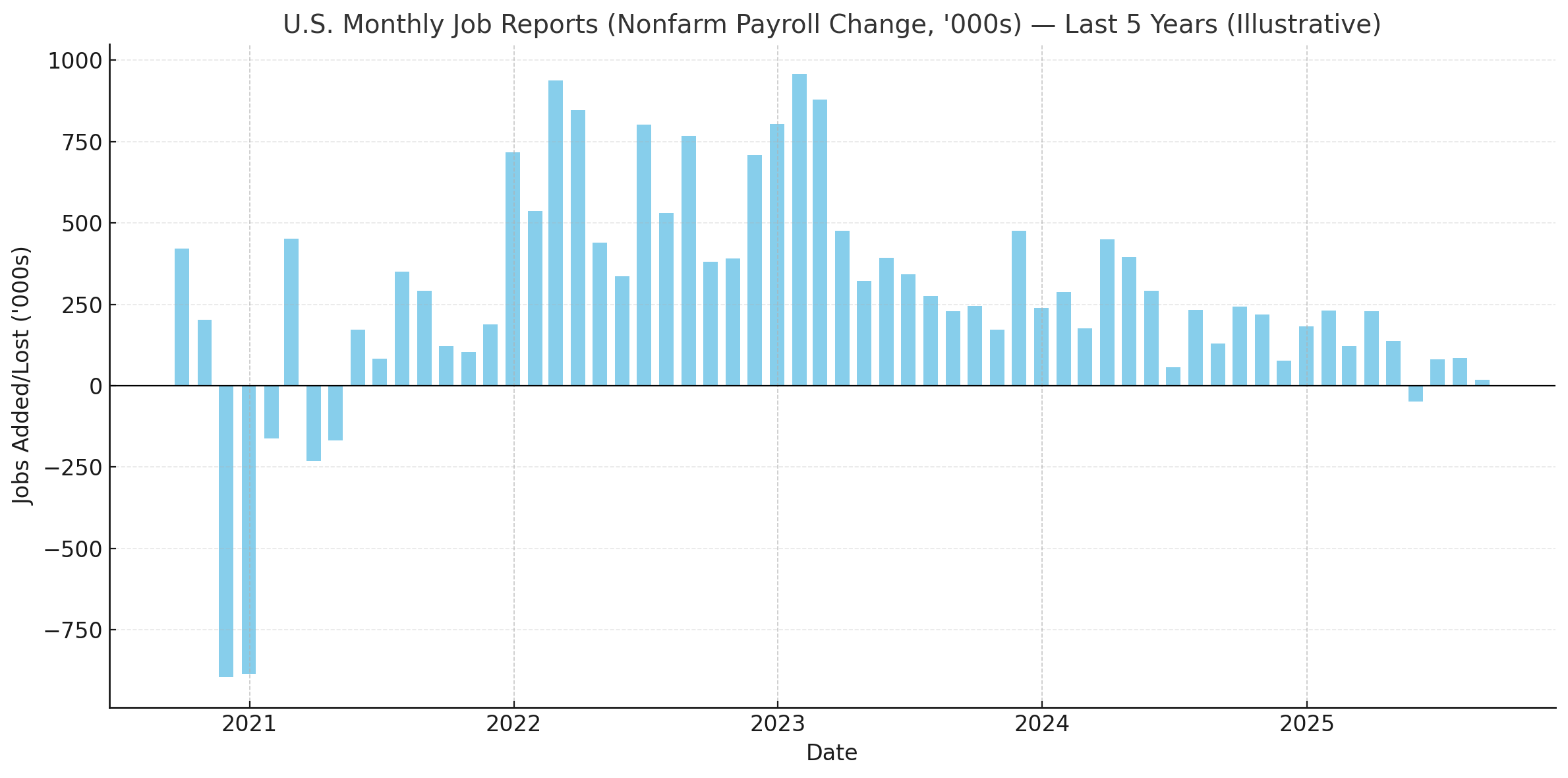
To provide a bit of context, after COVID’s devastation, the U.S. labor market staged one of the fastest rehiring sprees in modern history. Millions of jobs lost in lockdowns came roaring back as businesses reopened, government stimulus juiced demand, and employers scrambled to restaff.
That surge inevitably cooled once the economy approached “full employment,” a point reached under Biden when unemployment fell to historic lows not seen in more than half a century.
This was followed by job gains slowing, wage growth stabilizing, and the labor market beginning to resemble something closer to balance after years of whiplash.
Context over.
Now, well into the Trump era, US governmental institutions are facing backlash, with the latest report indicating the following:
August jobs report: only +22k jobs, unemployment up to 4.3%, June revised negative. Weakest streak since 2020.
Next day: The President fires the BLS Commissioner. Floats a replacement who has publicly mused about suspending monthly reports to “reduce noise.”
Meanwhile at the Fed:
Efforts to remove Governor Lisa Cook.
Stephen Miran advanced in the Senate.
Treasury Sec. Bessent publishing op-eds about stripping the Fed of supervision.
“Audit the Fed” bills resurfacing in Congress.
If this were an emerging market, Goldman would already be writing client notes with titles like “Politicization Risks to U.S. Data Integrity.”
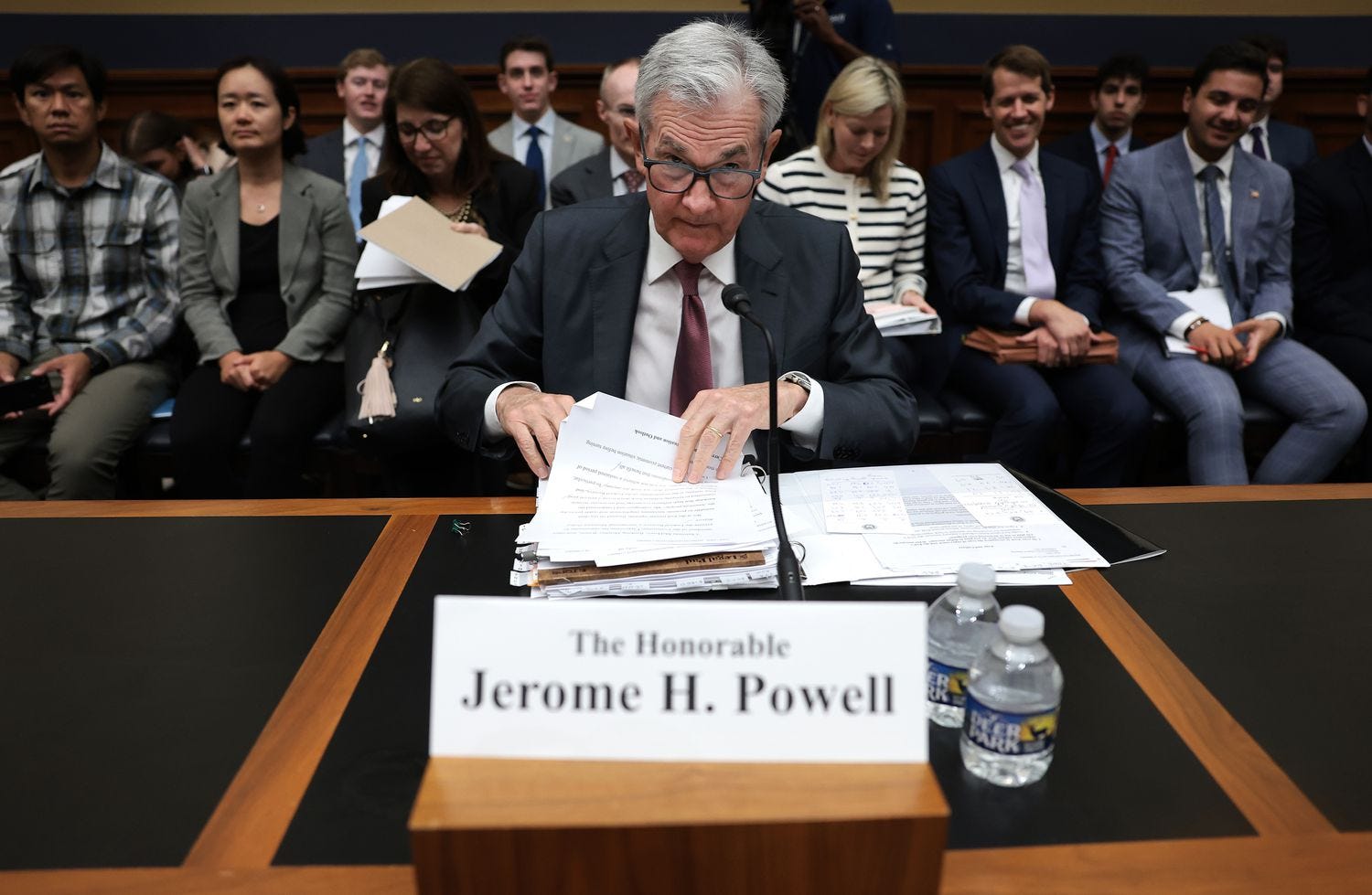
Even Powell himself has quietly admitted: with BLS layoffs and fewer resources, “the quality of data may be slipping.” That’s as close to a central banker calling BS as you’ll ever hear.
And remember: Trump himself fired the BLS chief and installed his loyalist.
These are his numbers.
📉 3. Checking the Thermostat
Reddit is a strange barometer. Sometimes it’s drunk, but other times it’s prophetic. The wisdom of crowd and all that jazz. Here’s what’s bubbling:
Downgrade fears. “We could get pushed below A, signaling the fall of the empire.” Cue memes of Rome burning
Civil unrest. Retirement accounts “going poof” → protests from retirees who thought bonds were safe
Authoritarian drift. “Authoritarian rule beats out democracy to contain the damage.” Strong words, but the vibe is clear: data tampering + Fed capture = creeping Erdoganish Turkeyfication
Job quality rot. Most new jobs? DoorDash, OnlyFans, nursing-home aides. Sub-$30/hr service roles that don’t feel like real growth
The Mugabe parallel. “We’ll all be billionaires… just like Zimbabwe.” Not subtle
Even those mocking the paranoia admit that if official data diverges from private measures (ADP, Challenger, HWOL, Visa/AmEx swipes, earnings calls), confidence erodes.
It’s like driving without headlights. You don’t crash immediately. But eventually, you hit something.
🌍 4. Tariffs, Inflation, and the Global Lens
Another theme arises: tariffs aren’t just a one-time hit.
Tariffs on consumer goods hit late, because implementation lagged. Now they’re filtering through just as demand cools
The de minimis exemption is gone. Cheap imports now cost more. Expect Q3 earnings calls to be full of “bla bla… tariff headwinds”
Traders joke it’s a “rolling supply shock”. Each new tariff is like another log on the inflation fire
At the same time, tariff revenues are soaring, now above $30bn a month. That’s effectively a $300bn annual tax hike on U.S. companies. Goldman estimates two-thirds of tariff costs are falling on U.S. firms’ margins, not foreign exporters.
If you wonder why hiring is slowing, look no further: higher taxes, weaker profits, and fading willingness to expand payrolls.
That hits the nail. Tariffs aren’t free. They’re a stealth tax on corporate America, one reason why CEOs on earnings calls will start sounding gloomier this fall.
🏅 5. Gold, Commodities, and the Alternative Scoreboard
If you can’t trust anyone, you can always trust gold.
Central banks keep buying, 2025 demand at all-time highs.
Gold isn’t just inflation insurance; it’s political-credibility insurance.
Gold doesn’t cash-flow. It doesn’t tell you if hiring is strong in Ohio. For that, markets turn to private data: ADP payrolls, Challenger layoffs, HWOL postings, credit-card delinquencies.
That creates a two-tier reality: Wall Street funds triangulating truth from satellites and Visa feeds… while the public gets a suspect headline CPI.
If the official scoreboard is broken, the private sector builds its own. But the rest of us are flying blind. — 🧙♂️
🧨 6. What Breaks First?
If data is distrusted and the Fed is politicized, we could expect to see the following:
Risk premia rise. Bonds widen, equity multiples compress, VIX stays fatter
Alternative data dominates. Corporates, hedge funds, and central banks lean on private sources. The public lags
Rating agencies pressured. Imagine Trump jawboning Moody’s to keep the U.S. AAA. Sound absurd? That’s what emerging markets already do
Dollar credibility slips. Not an overnight collapse, but more central banks quietly swap Treasuries for bullion
Self-fulfilling weakness. If businesses and consumers believe the economy is weak (regardless of BLS), they cut spending and hiring. That cycle can matter more than the “official” number
⚔️ 7. Trigger Section (Cue the Comments)
Let’s poke the hornet’s nest.
Maybe the U.S. is already like China, massaging inconvenient data, mocking others for propaganda while doing the same at home.
Maybe boomers will be fine, but millennials and Gen Z are just the bag-holders of this experiment… left with higher debt, weaker jobs, and manipulated stats.
Maybe Rome didn’t fall in a day (too many Roman Empire references?)… it just fiddled with its CPI equivalent until no one trusted the denarius.
If you’re offended, good. Because the point is credibility is the last free lunch. Once it’s gone, no model, no tariff, no rate cut saves you.
🧭 8. The Hermit’s Field Guide
How would we navigate the macro if the scoreboard is broken?
Triangulate inflation. Don’t just watch CPI. Follow PCE, Cleveland Fed’s trimmed mean, Zillow rent trackers, even supermarket scanner data
Cross-check labor. Compare BLS CES vs. CPS vs. ADP vs. Challenger. Watch small-business surveys, NFIB hiring, and Visa/AmEx swipes
Follow earnings calls. If Walmart, Home Depot, and trucking CEOs are all saying “demand is slowing,” that beats a BLS press release
Track governance tells. Firing statisticians, suspending reports, sudden methodology changes = red flags
Hedge credibility risk. Shorter duration, quality equities, real-asset cash flows, global diversification, and yes… some gold
Watch the Fed’s deferred asset. That $240B hole in remittances to Treasury is the political optics grenade
🔥 9. Powell’s Pivot: What Did He Really Say?
Now, let’s talk Powell. His Jackson Hole speech set off alarm bells. Headlines screamed: “Powell abandons the 2% inflation target.” Twitter lit up. Gold popped.
But here’s the nuance:
Since 2020, the Fed had been targeting average inflation of 2% over time. That meant tolerating overshoots (3–4%) if balanced by later undershoots (1%)
Powell just ditched that framework. He said the Fed is reverting to the old-school annual target: 2% every year. No averaging
That’s actually more hawkish, it signals less tolerance for overshoots. But here’s the contradiction: in the same breath, Powell opened the door to rate cuts this September.
As one Spanish transcript explained:
“Powell said the Fed will abandon the average-inflation target and return to aiming for 2% each year, because averaging creates confusion. That’s a tougher stance. But simultaneously, he opened the door to cutting rates as early as September. Why? Because employment weakness is now outweighing inflation concerns. Translation: either the economy is weaker than we thought… or Powell is bowing to Trump’s pressure and rationalizing it after the fact.”
Either way, the signal is clear: the Fed is no longer just an inflation fighter. It’s a political punching bag caught between tariffs, weak jobs, and White House pressure.
🧙♂️ Our Take
The U.S. isn’t Zimbabwe. It isn’t North Korea. But it’s also not immune.
If trust in the BLS cracks, and Fed independence weakens, the consequences won’t be immediate collapse; they’ll be higher volatility, wider spreads, noisier cycles, and creeping credibility loss.
That’s the real risk: not the day America “falls,” but the slow bleed where global investors, domestic businesses, and even your local landlord say: “I don’t believe those numbers.”
And once enough people stop believing the scoreboard, the game changes — permanently.
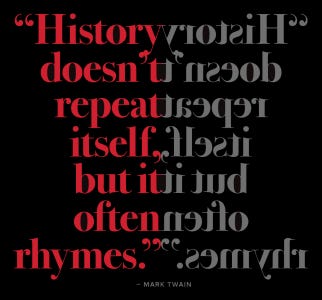
History doesn’t repeat, but it often rhymes.
— Mark Twain
So maybe this is Rome, maybe it’s Turkey, maybe it’s just another 2011 downgrade scare. But one thing’s certain: if the ref’s whistle can’t be trusted, you’d better play with more margin of safety.
Until next time, fellow Hermits… keep your lanterns lit, your data triangulated, and your gold buried where no BLS statistician can find it.
💬 Over to you:
Do you think the U.S. is already on a China-style propaganda path with its data? Or is this just paranoid Reddit doomposting?
👇 Drop your thoughts, and don’t be shy.
— 🧙♂️
P.S. Milei just lost the provincial election, and Argentina’s financial markets are tumbling. Worth a write-up?
Oh, and don’t forget to grab your 1-day free trial 🎁
Want more of this?
… like ❤️ and comment so that more people can discover and enjoy this Substack 😇
It’s fair to say the Fed was never 100% independent. But it was a lot more independent in practice for most of the 20th century:
1) 1951 Accord: After WWII, the Treasury forced the Fed to cap interest rates to keep government borrowing cheap. In 1951 the Fed fought back and won independence over monetary policy. That moment is what allowed it to act without direct political orders
2) Volcker Era (1979–87): Paul Volcker jacked up rates to nearly 20% to crush inflation, even though it caused a deep recession and made Carter/Reagan wildly unpopular. That only happens when a central bank feels shielded from political interference
3) Greenspan/Bernanke Years: Whatever you think of their choices, the Fed often acted in ways politicians hated (raising rates, pushing through bailouts, running QE). Presidents could complain, but they couldn’t directly fire the Chair or shut down the data flow
Compare that with today:
- The President openly firing the BLS Commissioner
- Senators openly threatening to “audit the Fed”
- Treasury officials talking about stripping powers
As always, this was a great read and incredibly timely. Feels like the U.S. itself is just one giant leveraged buyout. Massive debt load, asset values propped up by cheap financing, and now the Fed is stuck in a bind: cut rates to keep the machine running and you stoke inflation, raise rates to defend credibility and you risk breaking the borrower’s ability to service its obligations.
GDP growth is the swing factor here. In a real LBO, the debt math works if cash flows (growth) outpace interest costs. For the U.S., nominal GDP has to stay high enough to keep the debt-to-GDP ratio stable. But tariffs, slowing hiring, and weaker consumption are dragging growth just as interest expense surges past $1.1T annually (no need to even talk about Musk's complete nothingburger of a cost-cutting exercise, does this sound like a typical LBO yet?). That means the U.S. balance sheet only works if you assume strong, sustained growth, which is exactly what higher rates are choking off.
So the Fed is boxed in: if it hikes, it protects credibility but risks a debt spiral; if it cuts, it buys short-term relief but weakens the dollar and invites inflation. Either way, the “exit” doesn’t look like a traditional buyout. It seems like rolling the debt forward forever and hoping global investors keep trusting the scoreboard, and as a venture investor that has seen refi after refi, this has all the hallmarks of a write-off unless something drastic happens. Does renaming the DoD to the Department of War suggest something in the near term? Hopefully not, but I'll start prepping some go-bags for sure.