


Welcome back dear fellow 🧙♂️ Hermits 👋
🧙♂️ First time here? → This 3-Minute Crash Course Will Save You Hours
📈 A Forgotten Gem in Specialty Retail → Fashion for the Future Generation
📚 Wisdom of Li Lu → Check Out His Lectures

Well, it seems this is turning into a bit of a thing.
Every time we post about fieldwork, you guys light up. It seems to be part of our… value add. So here we go again. This time, we're headed to the Baltics.
🎉 🎺 Woop woop 🥳 🙌
We’re diving into a surprisingly compelling business model: cremation. Yes… the business of death.
Specifically, K2LT, a tiny Lithuanian company that’s quietly built what is essentially an oligopoly in its niche.
But before we crack open the case file, we’ll give you a proper Hermit intro:
➤ What the hell is Lithuania?
➤ Why do we like it?
➤ And what curious little business did we stumble upon at 01:00 AM on arrival?

🇱🇹 Lithuania: a bit of context
🧙♂️ Ah, Lithuania… 🇱🇹 … the land of the free… oh wait, no, that’s another country.
So… quick history lesson. These guys started out as a small Baltic tribe that (once upon a time) in the mid-1250s decided empire-building sounded like fun.
Within two centuries, they were running the largest state in Europe. The Grand Duchy of Lithuania, as it was known at the time, stretched from the Baltic Sea down to the Black Sea.
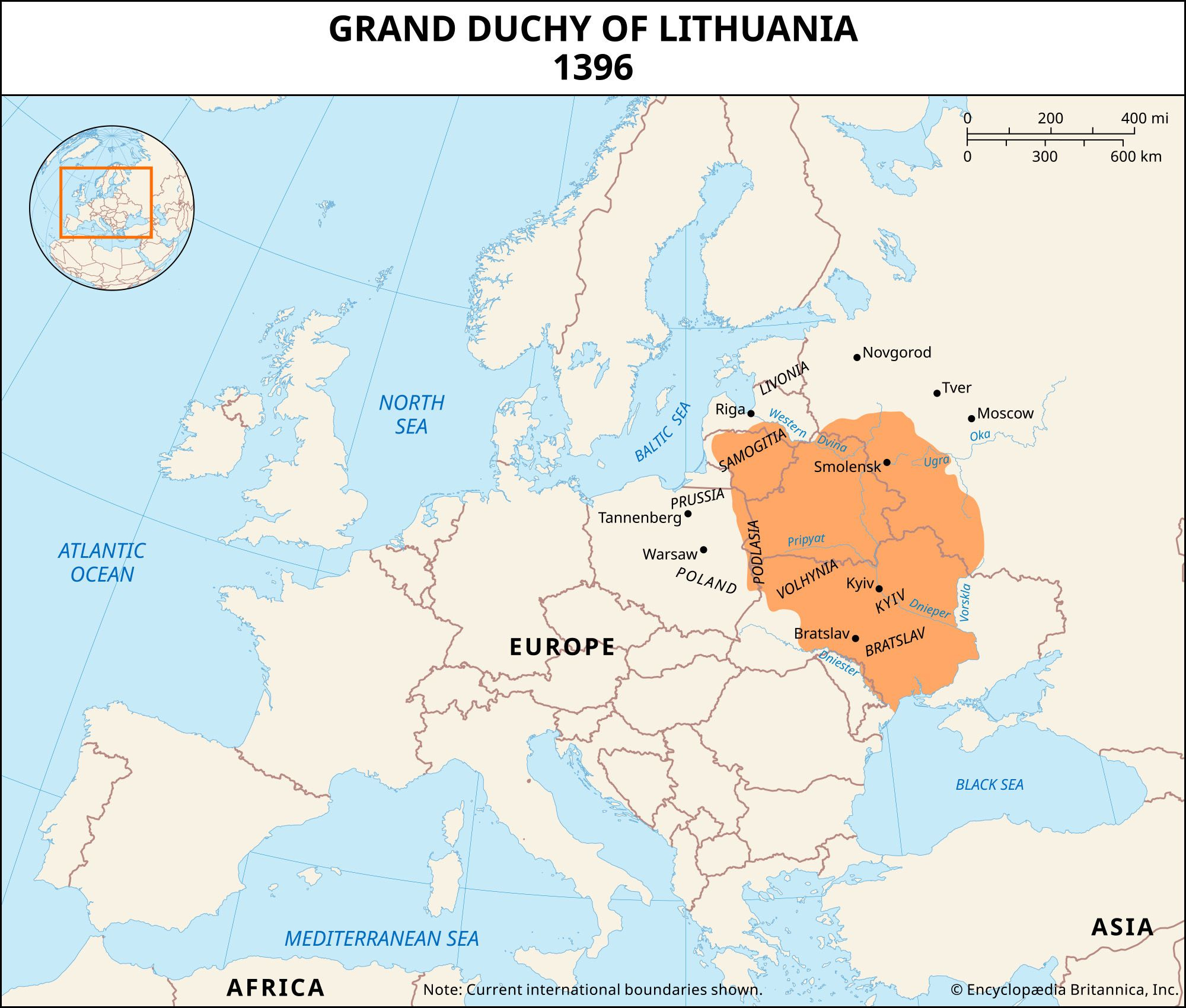
Back then, it was full-on Game of Thrones. Alliances, betrayals, and land grabs galore. Sadly, no dragons 🐉 though. 😢
Pagan kings holding off crusading knights, dukes marrying into Polish royalty, Commonwealth (known as the Union of Lublin) so vast it made neighbors nervous, a little bit of incest here and there… You know, the typical medieval back and forth (pun intended).
Between the World Wars, Lithuania briefly broke free from (Tsar) Russian control, but after World War II, it was swallowed by the Soviet Union.
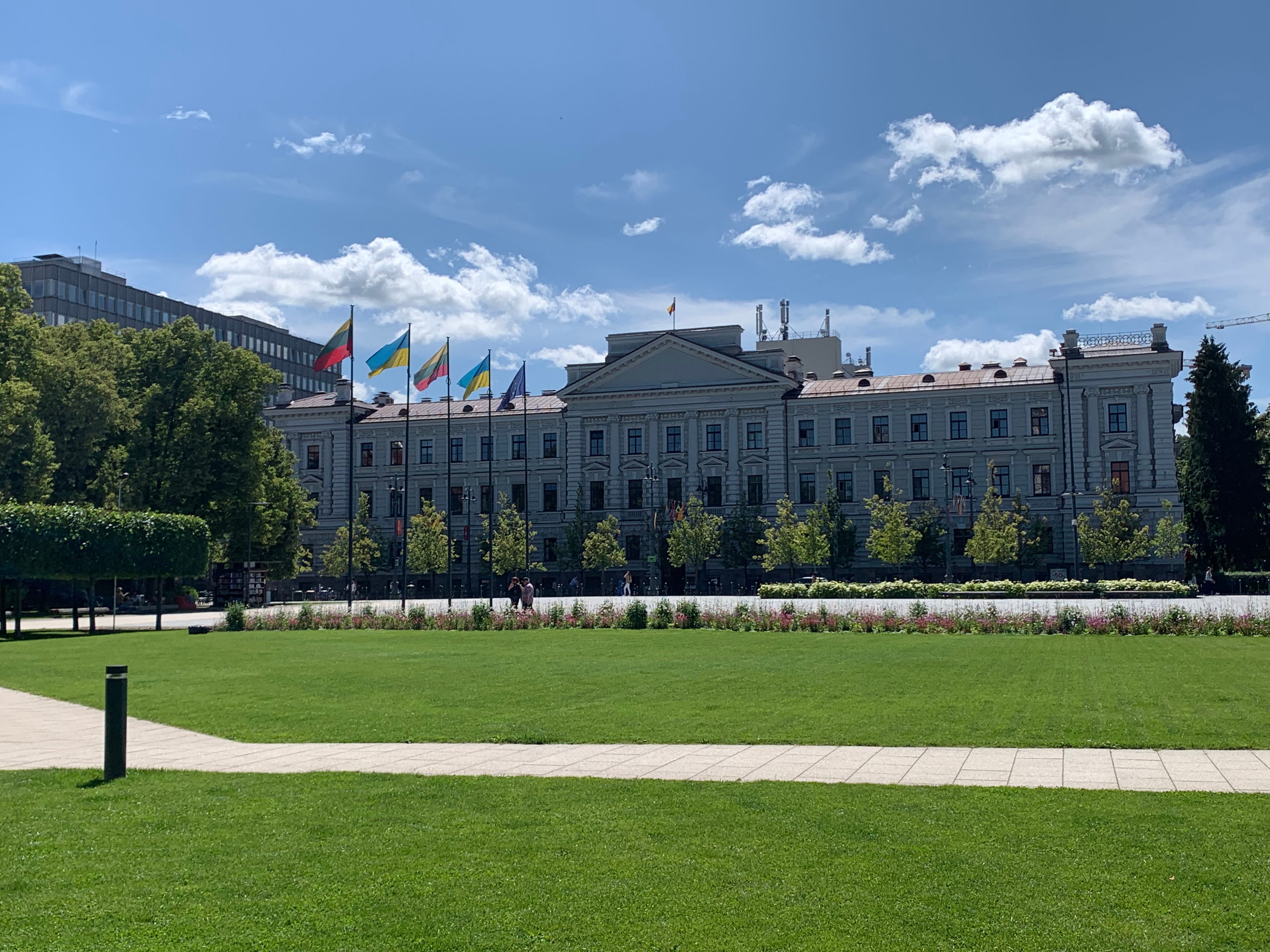
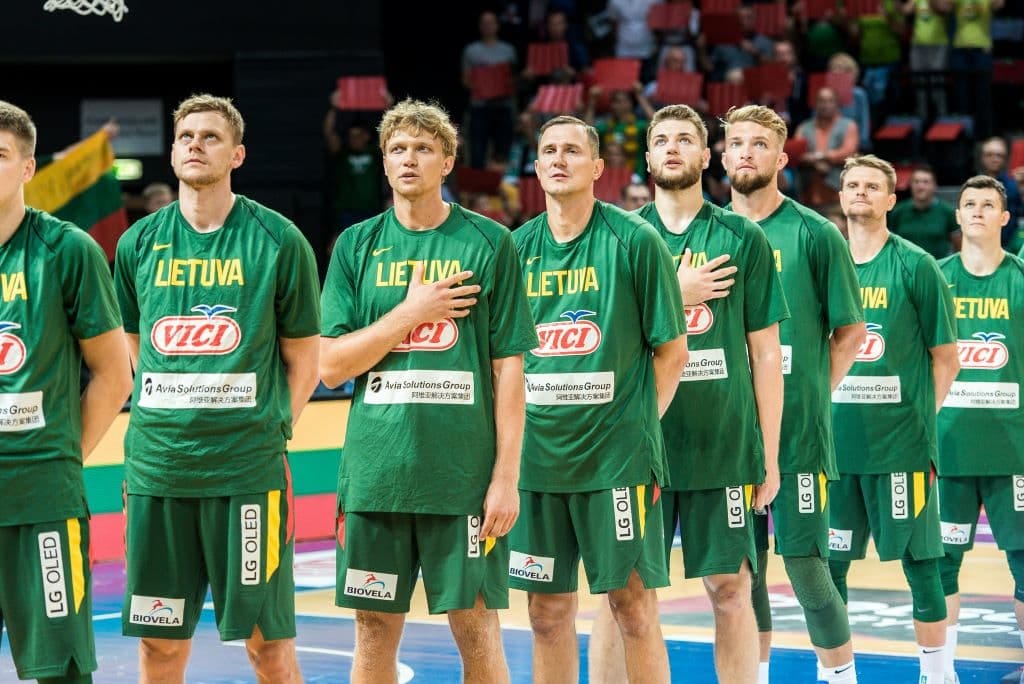
All this to say that Lithuania has a rich history of traditions squeezed between Teutonic swords, Russian tsars, and Soviet tanks, yet somehow always reemerging with its own language, songs, and a basketball team that can break your heart.
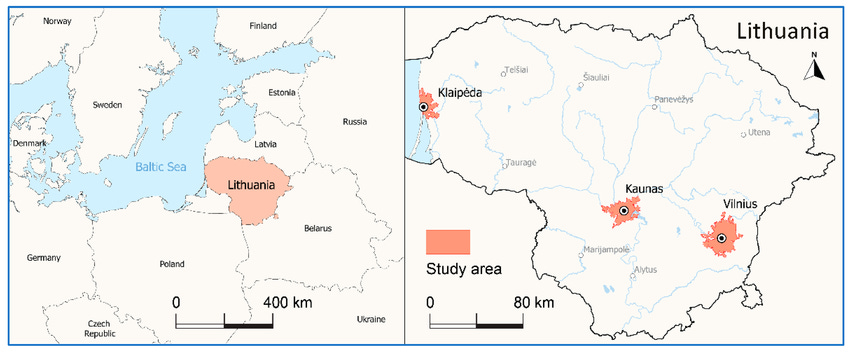
Our visit was express, to say the least. We squeezed in a few CEO interviews between the wedding celebrations of a close friend, and these included traveling between Vilnius and Kaunas (about a 1-hour trip).
We arrived late at night and got a cheeky welcome right away with James Bond’s favorite room number.
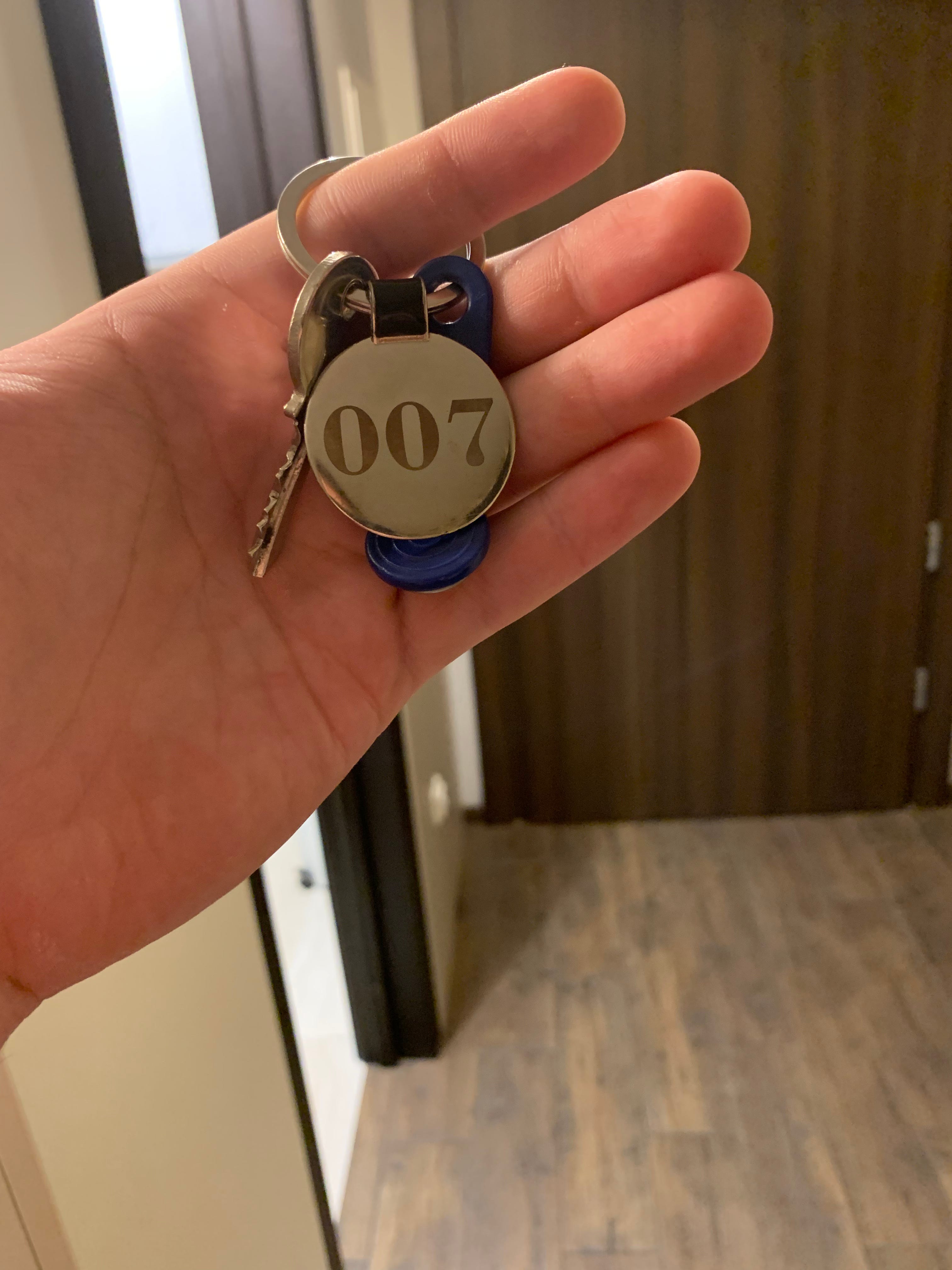
We tried to squeeze every drop out of our time, starting — as always — with a midnight walk. The city unfolded in a beautiful blend of old-town charm and modern tech. It felt safe, lively, and welcoming, with people spilling out of clubs, drinks in hand, dancing in the streets. A surprisingly comfortable backdrop for a late-night stroll.
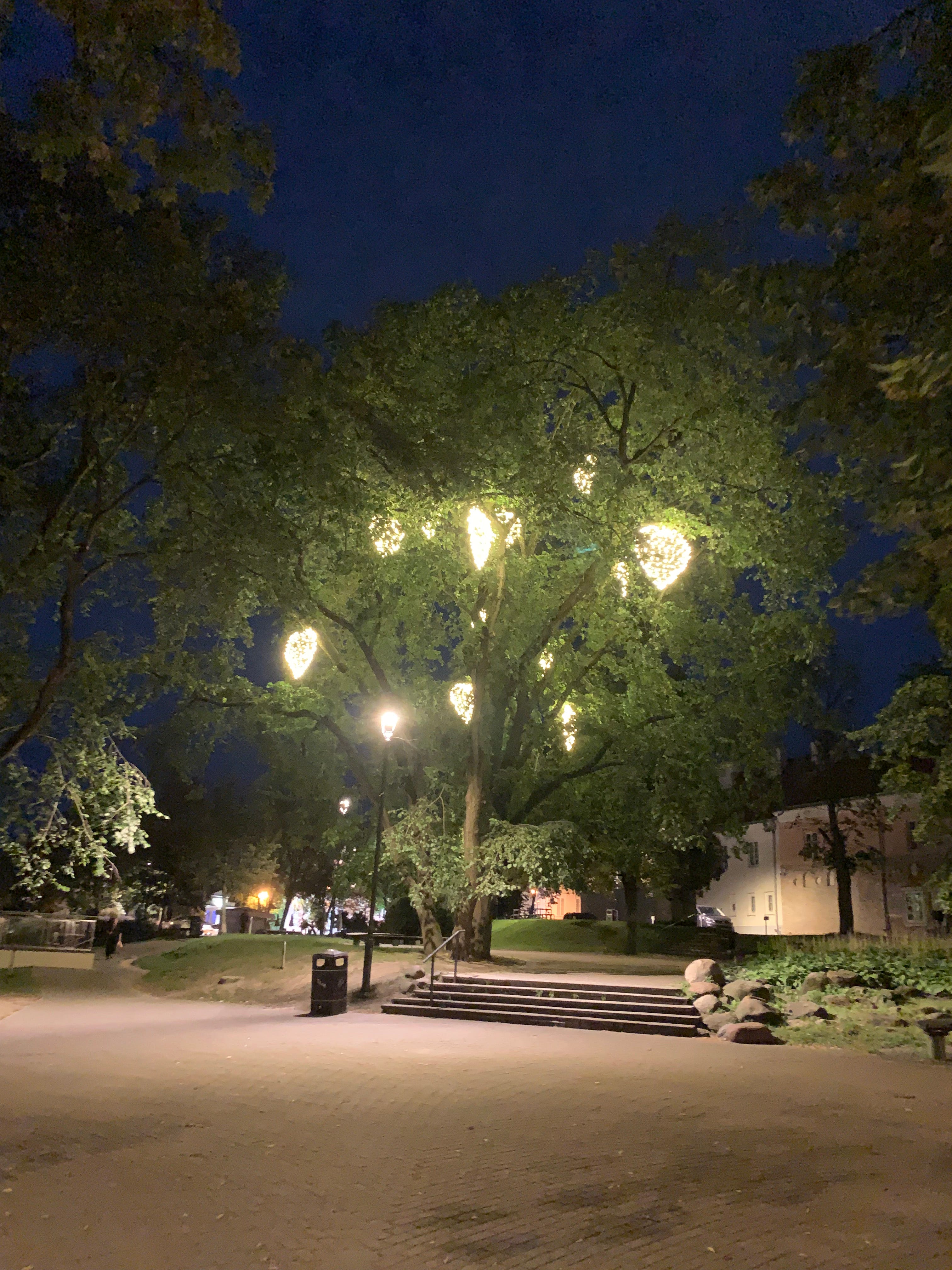
Along the walk, I came across a few sights…. and, more importantly, some fascinating businesses…
🛒 A Pleasant Surprise: Iki Express
Iki is one of Lithuania’s leading supermarket chains, a familiar green-yellow logo that’s basically a national landmark for grocery shoppers.
Founded in the early 1990s by two brothers of Lithuanian descent who grew up in Belgium, it has grown into one of the country’s biggest food retailers. Today it’s part of REWE Group, a German retail giant.
Iki’s positioning is pretty damn smart. They’re not the cheapest discounter (Lidl grabbed that bit of the market), and they’re not the high-end delicatessen either. Instead, they pitch themselves as the reliable, friendly neighborhood supermarket.
Quality produce, quick service, local flair...
I was pleased to find an Iki Express during my nightly stroll. And the customer experience was FAN. TAS. TIC.
The Iki Express division is their mini-store format. They’re tucked into busy streets, gas stations, and transport hubs… perfect for a quick bite, a coffee, or grabbing a few essentials on the way home.
Many are fully automated and open 24/7, with no staff at all. Customers walk in, scan what they need, and walk out. It’s as frictionless as it gets. There’s a bunch of cameras detecting what you grab, and it’ll show at checkout.
And it’s not just about packaged goods. We’re talking fresh produce too - everyday essentials are always available.
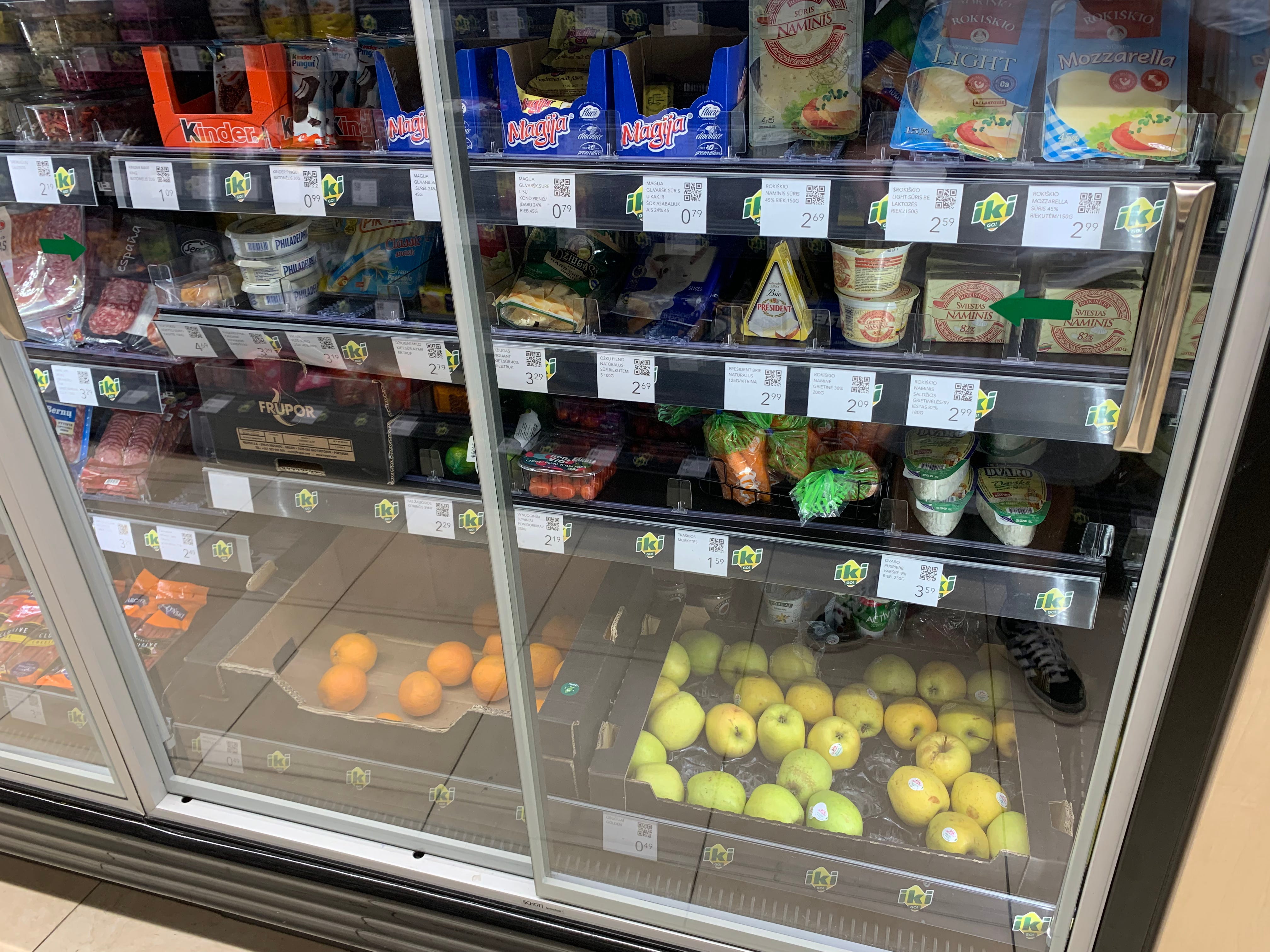
From an investor’s perspective, the model has a few advantages. First, it thrives on foot traffic and proximity. Lithuania’s urban centers are growing, and once shoppers get used to the convenience of grabbing groceries at midnight, it becomes a sticky habit.
Second, the economics can be attractive. Smaller stores mean smaller baskets, but they often deliver higher margins per square meter when run efficiently, especially when you have 0 personnel most of the time.
Finally, there’s the operational test. Convenience formats are notoriously hard to manage. You’ve got to think about stock rotation, shelf availability, and checkout flow. It seems to be working out just fine. In fact, they seem to be doubling down on this format, signaling it’s where management sees growth (according to annual report commentary).
Overall 10/10 execution on a not-so-simple idea.
☦️ The Orthodox Church
To really grasp how business and daily life tick here, we’ve got to zoom out.
The trail begins, as it so often does, with religion.
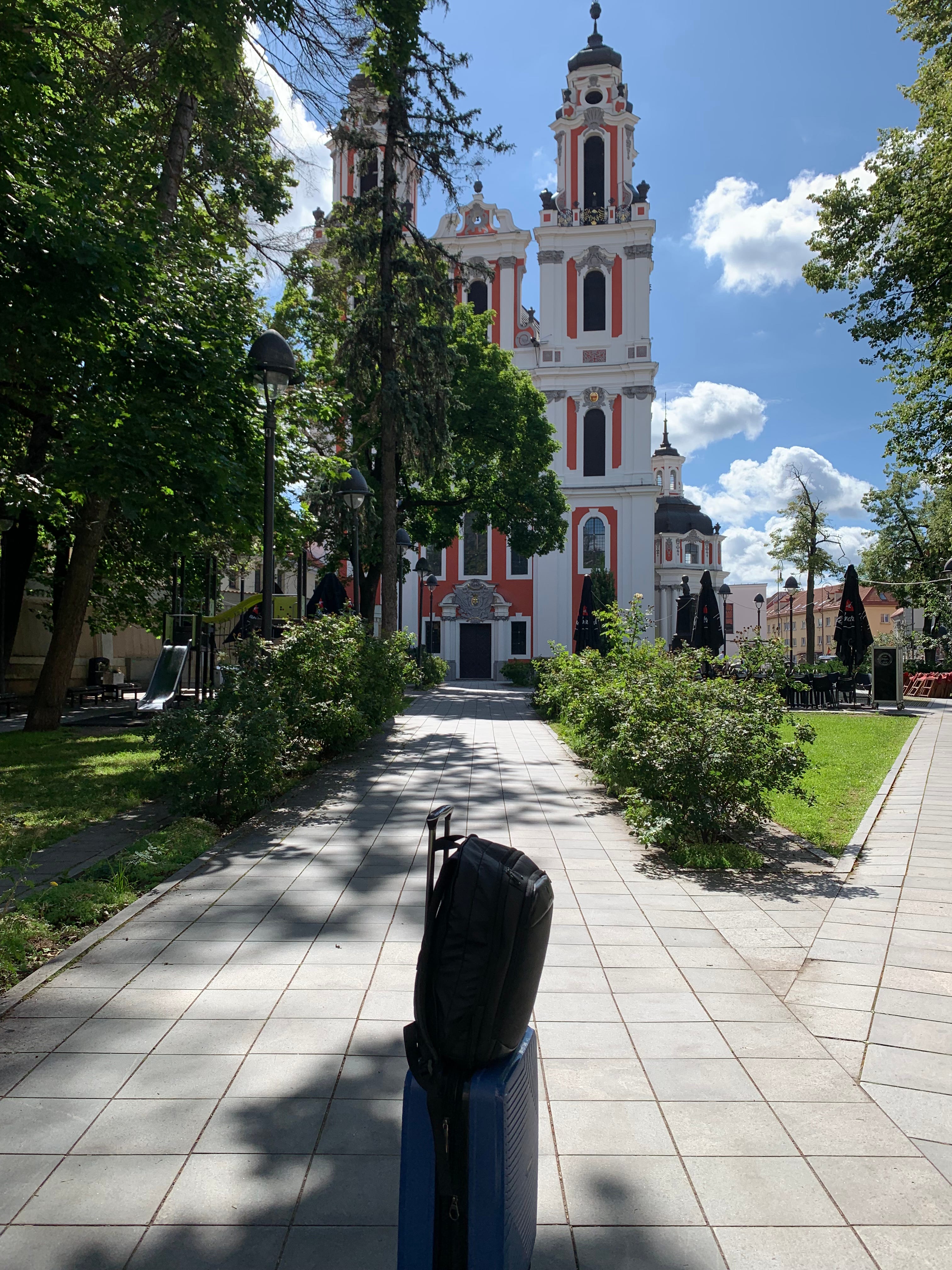
Lithuania has always been a bit of an outlier. It was the last pagan nation in Europe, holding onto its forest gods, fire rituals, and river offerings long after the rest of the continent had moved on to crucifixes and monasteries.
That changed in 1387 when Grand Duke Jagiełło, ever the strategist, accepted baptism, married Polish Queen Jadwiga, and brought the nation into the Catholic fold. Yet conversion never erased the old ways. Instead, Lithuanians quietly wove pagan traditions into Christian rituals (as you do) creating a cultural blend that includes bonfires, flower wreaths, and sun motifs hidden among rosaries and church bells.
Over time, Catholicism became a matter of survival. Under centuries of Russian rule, and later during the harsh grip of Soviet occupation, the Church turned into a fortress of national identity. Attending Mass was more akin to being part of “La Résistance”.
Historical note: my brother (a history buff )insists they were just a bunch of cowards, though over the years they’ve been mystified and turned into legend. More of a symbolic importance than actual relevance.
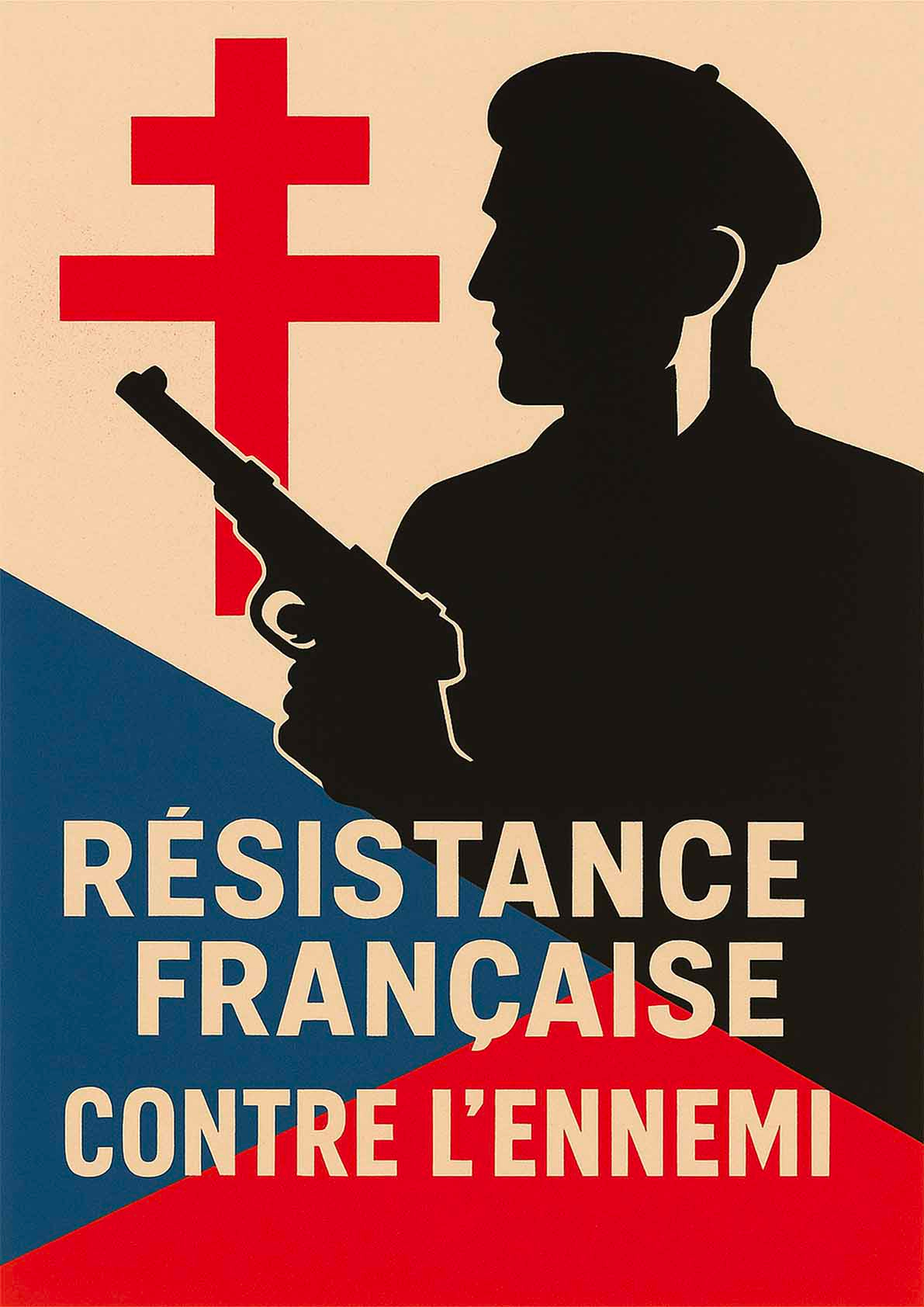
The Church preserved Lithuania’s language, culture, and sense of unity when everything else was under siege. Priests risked prison to smuggle banned books, churches doubled as safe havens, and roadside crucifixes sprouted up even when bulldozers tried to flatten them.
This fusion of the sacred and the ancestral is especially visible in Lithuania’s traditions.
Take Joninės (St. John’s Eve), where midsummer bonfires blaze, wreaths float down rivers, and couples wander into the woods in search of the mythical fern flower. Officially a saint’s day, unofficially a fertility festival.
Then there’s Užgavėnės (Shrove Tuesday), a carnival of masks, pancakes, and music that ends with burning a giant effigy of “Winter” to usher in spring.
Or Vėlinės (All Souls’ Day), when families gather in cemeteries at night, lighting candles until the entire graveyard glows in an otherworldly sea of flickering light.
These are Catholic feasts, sure… but with unmistakable pagan fingerprints.
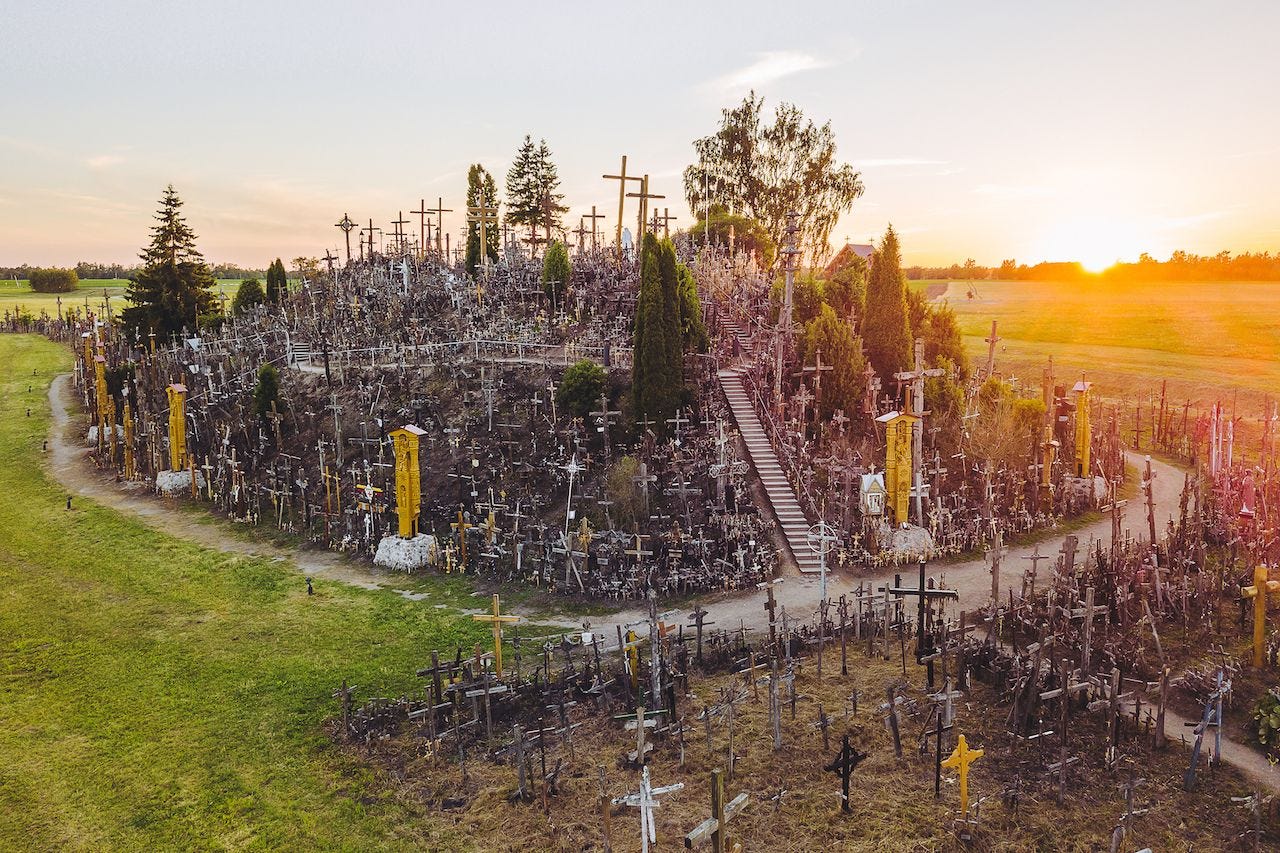
The same spirit carries over into Lithuania’s sacred sites. The Hill of Crosses, a pilgrimage site near Šiauliai, is a small hill covered with more than 100,000 crosses, rebuilt again and again after Soviet bulldozers tried to erase it.
In Vilnius, the national cathedral sits squarely on top of the ruins of an old pagan temple as if to say that in Lithuania, faith is never one thing, but a layering of centuries. IMO, this is what gives the city the old but new look, similar to how Rome has three layers built on top of each other or side by side (ancient, medieval, and modern).
Even the lighter side of religion here comes with its quirks. Lithuania has a beer blessing tradition, where priests sanctify the first brews of the season… divine hops included.
It’s not exactly hops, but hoops (Basketball) is treated like a second religion, with the sport and crucifixes often sharing the same village square. And the art of wooden cross-crafting, ornate roadside shrines decorated with sunbursts and folk patterns, has been honored by UNESCO as part of humanity’s Intangible Cultural Heritage.
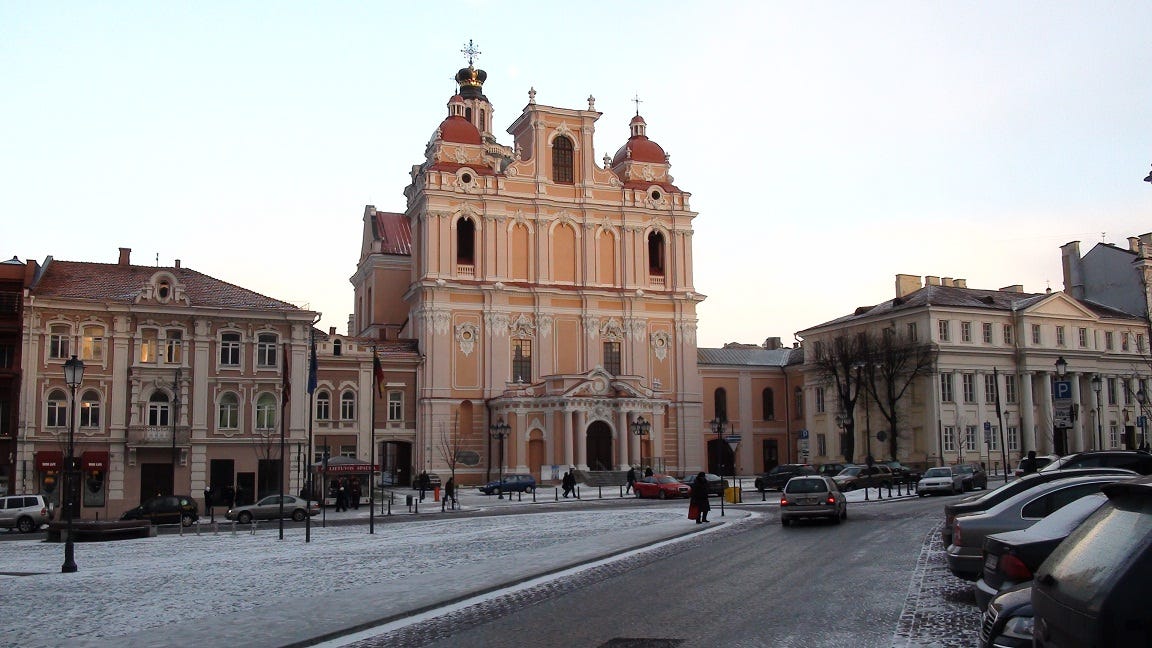
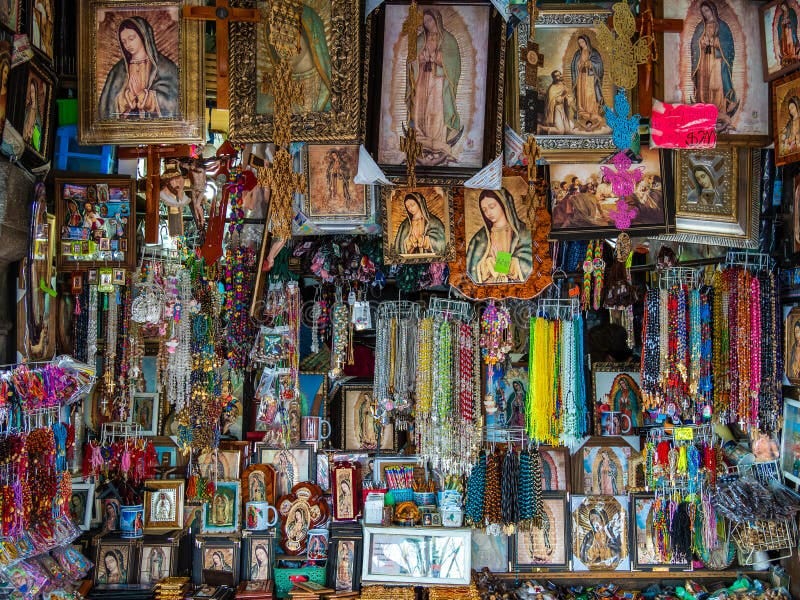
Walk through Vilnius Old Town and you’ll quickly notice that religion isn’t tucked away in grand cathedrals alone. Tiny religious shops line the cobbled streets, selling rosaries, icons, candles, and wooden crosses of every shape and size. Some feel more like neighborhood kiosks than sanctuaries, where locals drop in to pick up a votive candle alongside their bread and milk. Others lean toward more artistic ornate hand-carved crosses or amber rosaries glowing in the window.
That said, the Catholic Church here has its lines in the sand, and one of them is cremation.
While not outright banned, cremation is still viewed with a certain unease. Traditional Catholic teaching emphasizes burial in sacred ground, returning the body to the earth while awaiting resurrection.
In Lithuania, this preference is especially strong. Cremation rates are much lower than in many Western European countries. Cemeteries remain important communal spaces, where families gather not only for funerals but also on feast days like Vėlinės, when candles turn the graveyards into seas of light.
To cremate is seen by many as skipping a step, a choice that sits awkwardly with a culture that treats the physical resting place as a sacred anchor for memory and ritual.
And this brings us full circle to our controversial business.
⚱️ AB K2 LT ($K2LT) Review
Quick heads-up: writing this section felt a bit strange, so I kept it short and sweet. It’s one of those things we want to know about, but at the same time… not really, you know? Bottom line, it’s a good business, but let’s not linger too long on the topic.
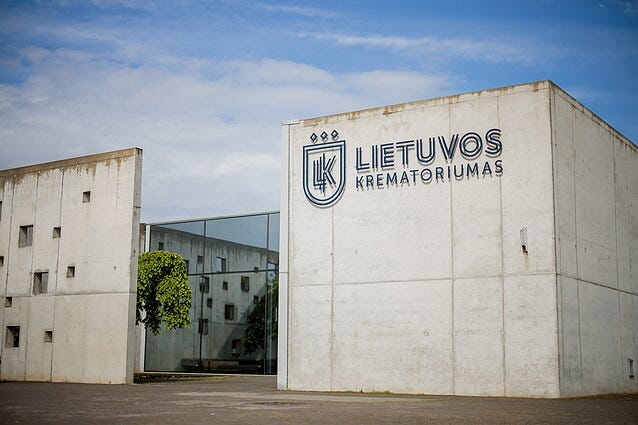
If you drive a little way out from Kaunas toward Kėdainiai, you’ll pass a place most people don’t really think about until life reminds them that they have to: Lithuania’s very first crematorium. That’s where K2 LT’s story begins. Back in 2011, when cremation was still something relatively new and even controversial in Lithuania, K2 LT opened the doors of Lietuvos krematoriumas. It was a first mover, and for a while, they were the only ones meeting this quiet but growing need.
We’ve been tracking these guys for over 2 years now and, as you probably figured, we couldn’t resist a visit.
Due to time constraints, we were unable to visit the HQ, but we did examine their installation in Kaunas.
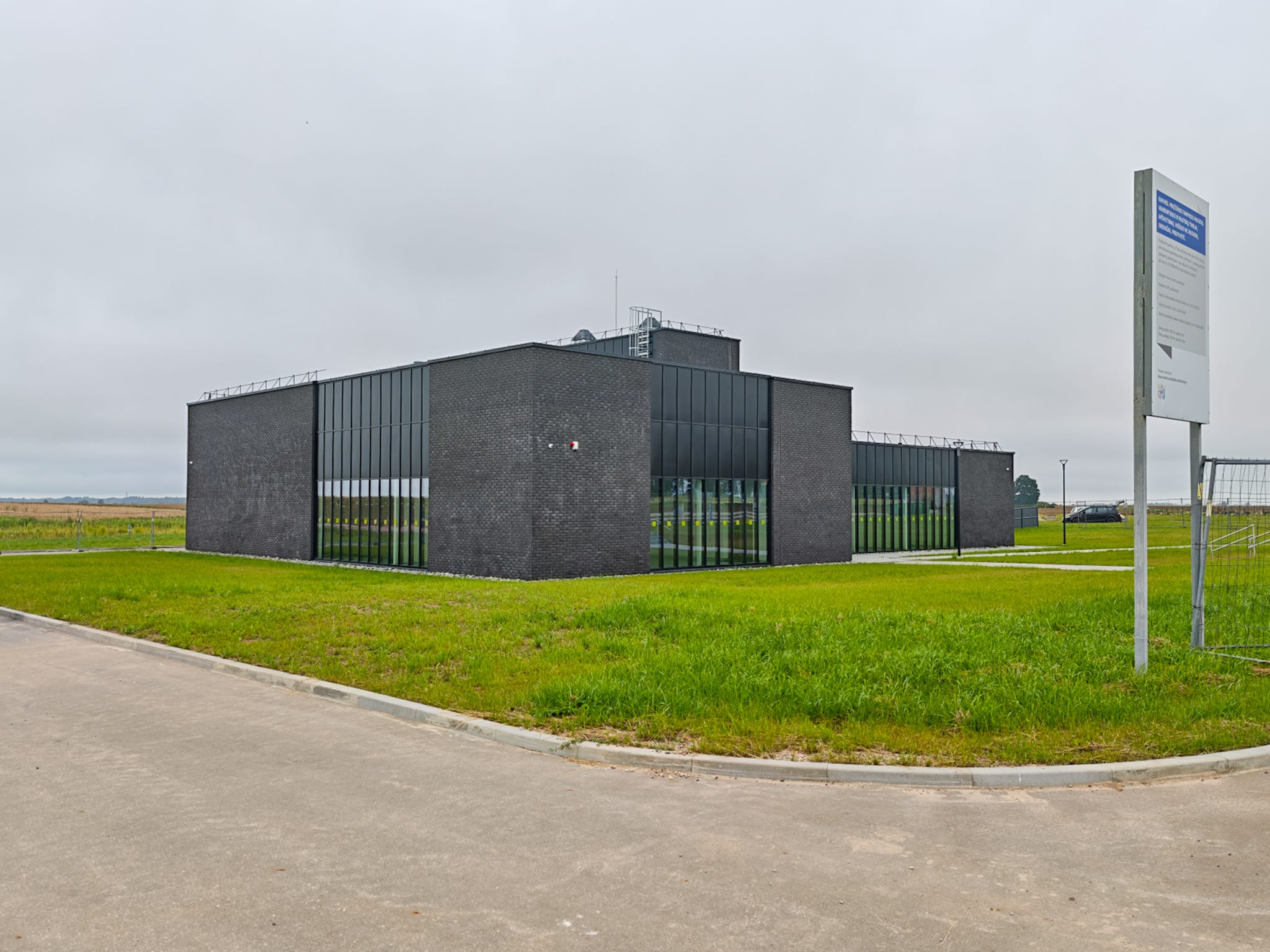
TBH, it’s a somber experience, but it was definitely worth the visit. People were kind, and we didn't really bother them too much with Q&As. Taking pictures inside felt really odd, but I’m sure you can get the vibe.
For context, death is never just about cremation, and there are several expansion opportunities. For instance, families need a space, a ritual, a proper goodbye. That’s why a few years ago the company started Rekviem LT, their chain of modern farewell homes.
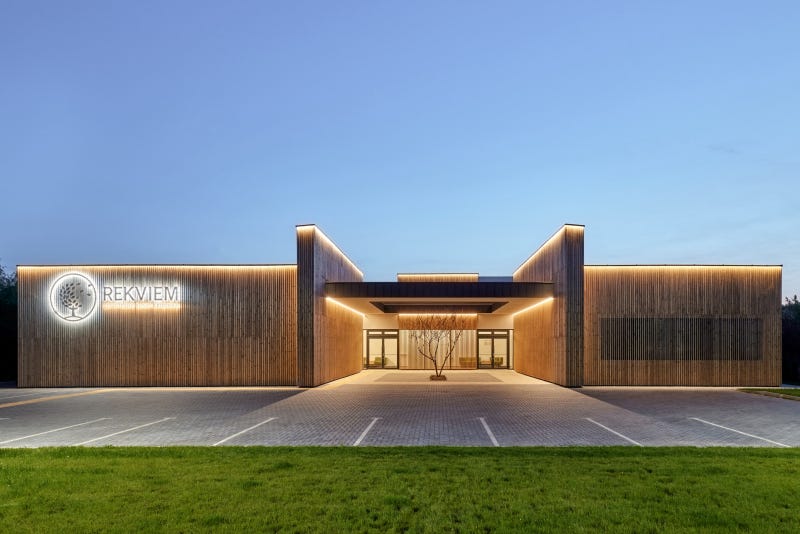
Imagine light-filled rooms, set up for vigils and ceremonies, where people can gather in a more personal, less clinical way. The one in Kaunas has become particularly important. Since opening, it’s quietly captured more and more of the city’s ceremonies… by 2023, nearly one in five farewell services in Kaunas were handled by Rekviem.
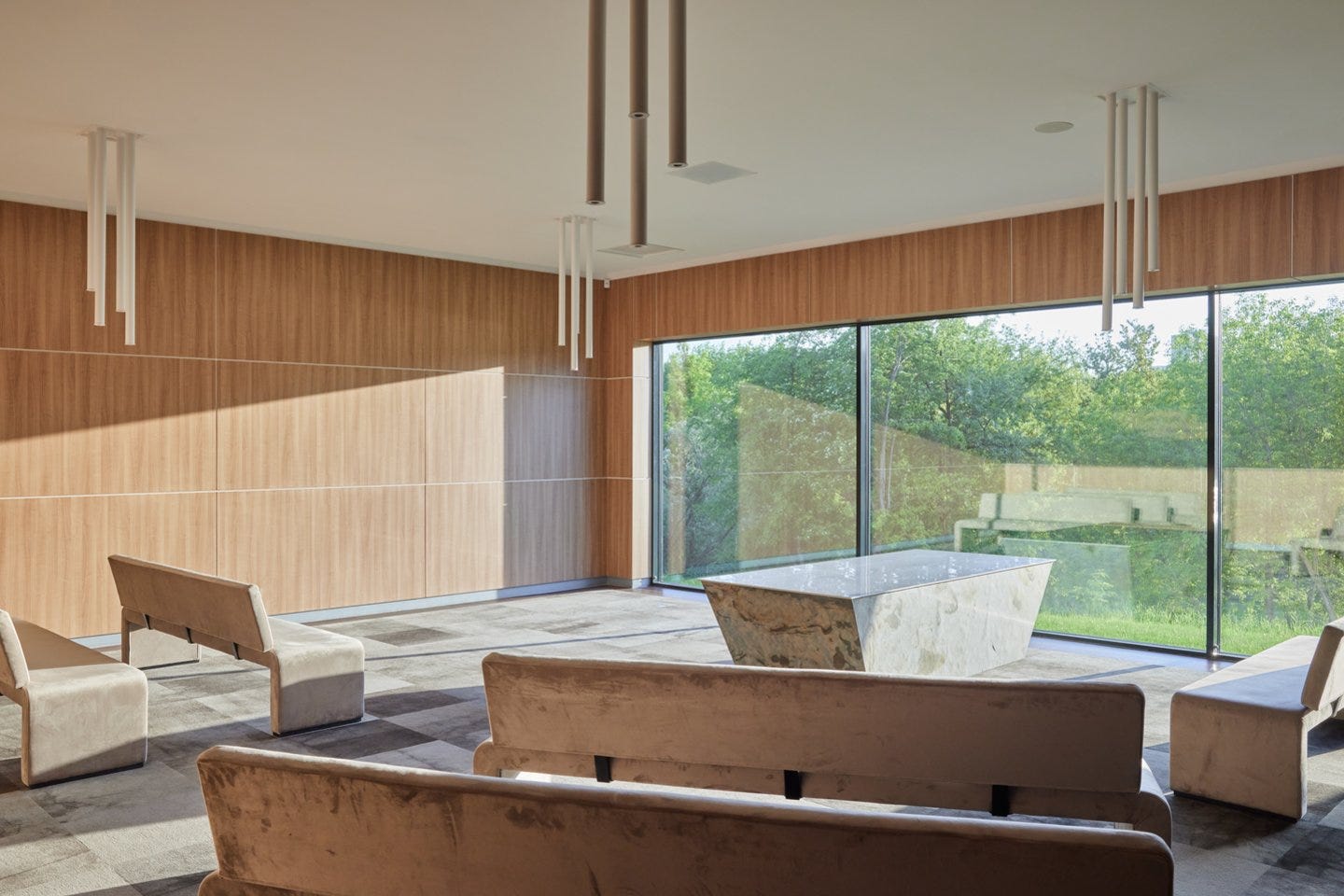
Cremation is on the rise in Lithuania, but competition has also sprung up in Vilnius and Klaipėda, cutting into volumes. That has led to softer performance since 2023. Yet at the same time, the farewell homes side has been booming, up nearly 40% year over year.
The company is Lithuania’s only listed cremation business, with 2024 revenues of €3.2m, net income of €0.85m, and a net cash position of ~€1.3m. At ~€28 per share (mrkt cap ~€8.7m, EV ~€7.4m), it trades around <8× EV/EBIT, and ~10× P/E.
2025 will see a temporary dip from major repairs (guiding €1.6m revenue, €0.65m EBITDA), but normalized free cash flow is ~€1m/year, implying a healthy 13–14% FCF yield on EV.
With cremation penetration rising (20.6% of deaths), a growing farewell-home network, and strong cash conversion, base-case fair value sits around €36/share.
We would not be surprised to see the stock trading in a fairly wide range of €24 to approximately €50, depending on execution and competition. It’s as illiquid (and unknown) as it gets, so any price movement will be substantial to say the least.
So yeah… the business posts a solid ~18% ROIC, carries no debt, and has been shareholder-friendly with dividends and minimal dilution.
Is this the next Apple? Obviously not. But is it a steady, fairly well-run business with optionality from its newer funeral home line? That’s a fairer description. The core is solid; whether growth really follows remains the open question.
It’s a pretty depressing business, but it works, and it is steadily rising more than the alternative (land-based burials), which become more and more expensive.
— 🧙♂️

🙏 Feel free to ❤️ and comment so that more people can discover and enjoy this Substack 😇
Some businesses chase customers; marriage and death just wait—you’ll show up eventually :)