


What if SpaceX goes to the moon and I never bought?
What if the stock market crashes tomorrow and I lose 54% of all MY money?
What if I sell my company today, and tomorrow the buyer flips the business for 10 times what I got?
Well…
Schmuck Insurance is corporate law and Wall Street slang for a very real protection clause in these types of deals.
It commonly refers to a mechanism that ensures you don’t end up looking like an idiot (a “schmuck”) if the company you just sold or backed suddenly shoots to the moon right after you leave.
That’s great and all… but why should you care, and how do you actually use it?
Let’s break it down.

Where Did the Term Come From?
If you’ve ever watched Shark Tank or Dragon’s Den (the UK version), you’ve almost certainly seen this play out.
But the phrase was actually coined (or at least popularized) by MHR Fund Management, a private equity firm led by investor Mark Rachesky, during high-stakes restructuring deals in the late 1990s and 2000s.
In distressed debt and bankruptcy workouts, existing investors or creditors are routinely asked to take a massive haircut, implying they have to sell their equity or debt for pennies on the dollar to let new capital save the company.
Naturally, those sellers are terrified of getting squeezed out right before the turnaround happens.
To bridge the gap, deals began including clauses that said, in plain terms:
“We’ll sell to you at this low valuation now, but if you re-sell the company or go public within 18 to 36 months at a massive profit, we get a cut of that upside.”
Wall Street traders and lawyers quickly dubbed this “schmuck insurance”, effectively the financial equivalent of buying a safety net so you don’t end up in a business textbook under “Worst Selling Decisions in History.”

How It Works in Practice
Schmuck insurance isn’t a single formal contract title, but more so an umbrella term for several structural mechanisms:
Top-Up Provisions / Earn-Out “Trailing” Rights: If the new buyer sells the company or its core assets above a set threshold within a specific timeframe (say, 12 to 24 months), the original seller receives an additional cash payout to match a percentage of that higher valuation.
Warrants & Penny Equity: A seller agrees to a lower upfront buyout price, but retains cheap warrants or nominal shares. If the business explodes upward later, those warrants convert into real equity value.
Anti-Embarrassment Clauses: Frequently used in private equity across Europe and the UK, this clause explicitly mandates price adjustments if a secondary sale occurs shortly after the initial transaction.
Why Dealmakers Use It
Beyond protecting not-so-fragile egos, schmuck insurance actually gets deals done that would otherwise collapse.
When a buyer and seller are miles apart on valuation, sellers refuse to pull the trigger out of fear of seller’s remorse.
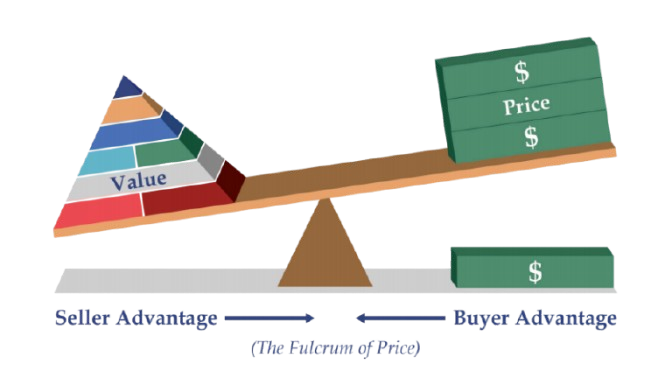
This is especially true during market turmoil, corporate restructurings, or general distress.
Schmuck insurance lowers the stakes and prevents cooling off of the market. In fact, it actively encourages market participation.
If the buyer takes control today while giving the seller enough lingering upside that they can sleep at night, you create a lot of win-win situations.
Plus, M&A bankers get to collect their delicious fees. Who wouldn’t want that to happen?

How Can YOU Use It?
In M&A, schmuck insurance protects against selling too early. In portfolio management, you can flip this logic on its head: spend a trivial amount of capital to insure against your own regret.
There are many ways to use this, but my favorite is using extreme out-of-the-money options and taking tiny positions in low-probability setups with extraordinary payouts.

(#1) Say you think SpaceX is going to the moon (pun intended) in 10 years.
Great! Put 0.5% of your portfolio into the stock and hold it forever.
Pro tip: maybe wait until it’s trading under a $1 trillion valuation first

(#2) Or maybe you don’t fully get Bitcoin, but you’re sick of hearing about how your idiot cousin Jerry is printing money while you sit on the sidelines.
Great. Take 0.2% of your portfolio and park it in a spot Bitcoin ETF.
Scratch the itch without the hassle of setting up cold storage, managing seed phrases, or pretending you understand anything that’s going on.
(#3) Or maybe you think a stock market collapse is coming in the next year.
Check the VIX first.
Is it below 15?
If not, wait.
Once it drops below 15, put 0.1% of your portfolio into 2-year dated Nasdaq puts with a ~15,000 strike.
Don’t do this every month.
But once a year, when reviewing your portfolio, consider these extreme tail-risk scenarios, pick the best one, and push 0.1% to 0.5% of your capital into it.
Framing the Thought
Back when I managed split accounts for different clients, I gave them a very rigid setup with a single opt-in option.
If they chose to, they could carve out up to 10% as “play” money.
That’s the capital reserved for wild, speculative bets based on far-fetched theories. Denying that urge is pointless. It really is baked directly into human psychology.
It’s why people buy lottery tickets, play casino games, and chase moonshots.
We love simplifying probabilities, and we naturally hate dwelling on worst-case scenarios.
So stop fighting human nature and just build a firewall.
Run a disciplined, institutional setup with 90%+ of your capital to compound steadily, and use a small portion to chase your latest, craziest hunches.
Keep them strictly separate (separate accounts) to avoid bending the rule.
Just know that the most likely scenario is that nothing happens, and you lose a small slice of capital.
But, oh boy, if one of those crazy bets actually hits… well, you’ll love raking in the 1,000%+ return, and more importantly, the bragging rights.
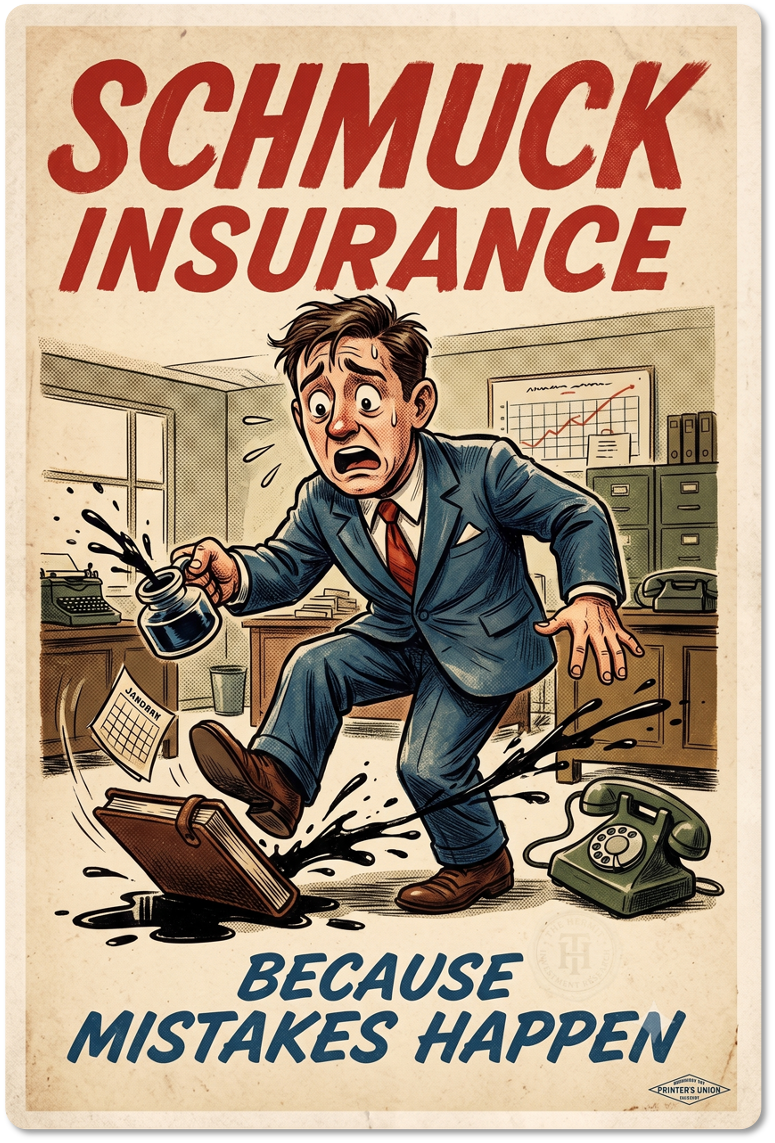
And since this one is also on the not-so-long side, let me add on a little meme to spice up your day:
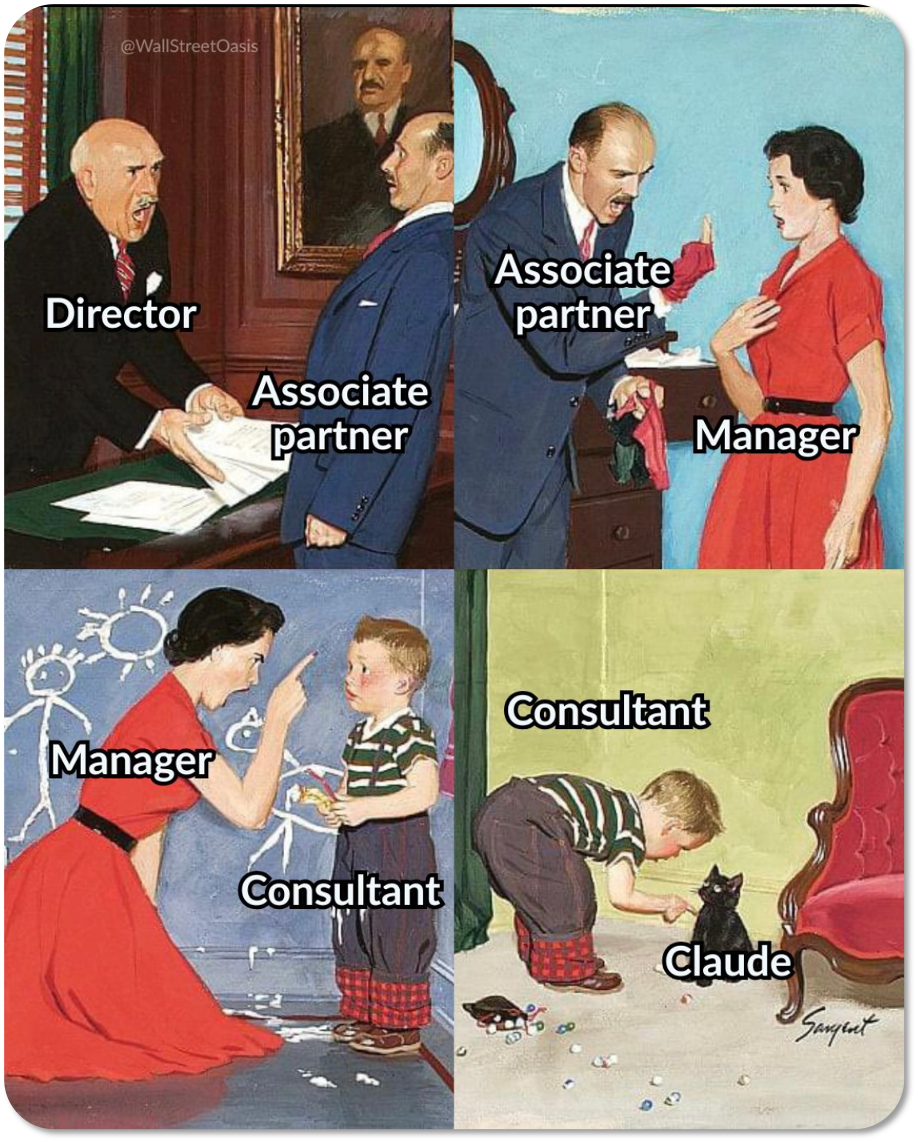

Do you love or detest these shorter, bite-sized breakdowns? Let us know in the comments below, and don't forget to hit the ❤️ button if you enjoyed this piece.
And if you liked this post, we’re confident you’ll love this:

I keep seeing Indian salaried professionals swing between all-in speculation and total suppression, then making impulsive moves later.
The 90/10 split is practical, but here the 'play money' often gets conflated with retirement corpus when markets rally — so the separate account discipline is even more critical.
A written plan with a 'fun bucket' and clear rules is the real schmuck insurance.
Great breakdown, I never thought about it this way for the listed end of things. Anti-embarrassment and leakage protection.
In my xp in IB, structuring this on an M&A contract comes down to defining Net (Realized) Proceeds to explicitly capture capital returns, asset transfers, and recapitalizations. It's not an easy negotation, but it's really worth.