


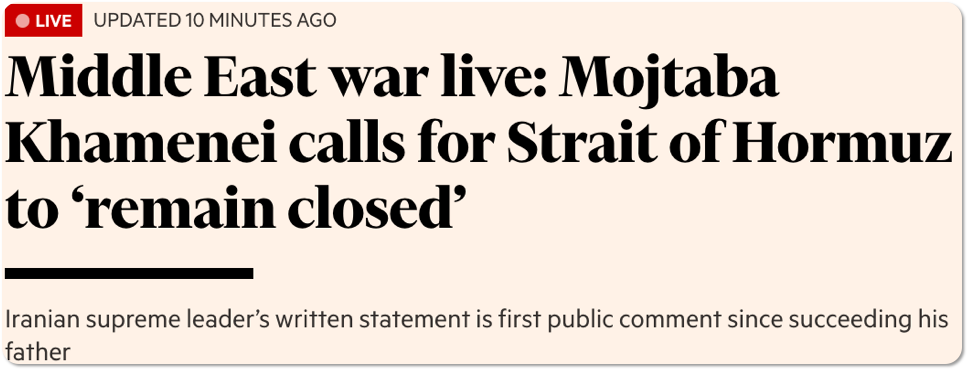
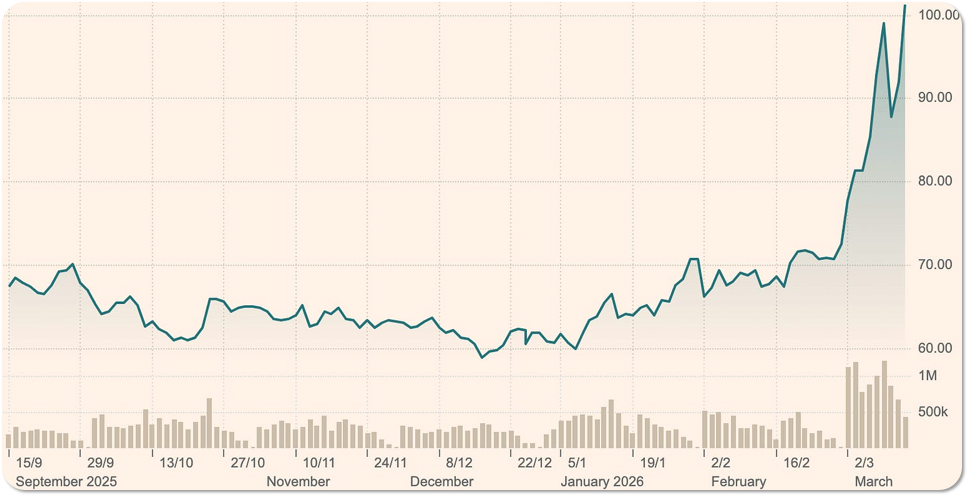
With the Strait of Hormuz effectively closed and 20% of global oil and gas supply at a standstill, energy is the only thing the street can talk about right now.
In the midst of this chaos, we’ve decided to map out the specific opportunities in the Oil and Gas space that offer real, structural value for both institutional and retail investors.
While the headlines focus on the daily price spikes, we’re looking at the high-quality players and monopolistic niches that will define the sector for the next decade
.Our approach to the sector is straightforward:
Commodities: Trading the raw assets through derivatives.
Equities: Investing in companies across the value chain, from exploration to delivery logistics.
Debt: Financing long-term projects through instruments collateralized by reserves.
This research is built on over a decade of hands-on exposure and mirrors the internal research process at our hedge fund.
With roughly 30% of our portfolio linked to oil, we definitely have skin in the game.
We believe this gives us a grounded perspective and a level of authority on the subject, though it’s worth noting our views are naturally shaped by the companies we actually own.
This extended post focuses on exactly how we look at the sector from inside our fund. We’re covering everything and breaking it down into digestible chunks:
Our Value Chain Explained: A guide to how oil actually moves so you can see where the real margins are hidden.
The ‘Top 41’ Plays: The specific companies on our radar. These are high-quality names with unfair advantages, the best acreage, massive backlogs, hidden assets, and/or dominant niche positions throughout the sector.
For your convenience, we broke them down into the following categories: Majors, US High Quality, Canadian Alternatives, Exploration, Servicing, Midstream (plus two bonus niches).
Our Valuation Filter(s): How we actually price these stocks so we aren’t just guessing based on the latest headline and fad.
We’ve thoroughly vetted every name mentioned. Even if the market doesn’t react immediately, this is the kind of research that ages like ‘fine wine’, as the structural map we’ve created should remain valid for the next decade.
Hopefully, the recent rumors about oil production peaking in 2025 haven’t distracted you from the long-term potential of this undervalued sector.
This series is usually exclusive to the 🧙♂️ Inner Circle, but we might make an exception for this extended report in the future.
This content is intended for informational purposes only and should not be taken as investment advice. The author does not represent any third-party interest, and he may be a shareholder in the companies described in this series.
Please do your own research or consult with a professional advisor before making any financial decision. You will find a full disclaimer at the end of the post.

Welcome to a guide on the world’s most misunderstood ‘asset class’: Oil & Gas.
Depending on who you ask, it’s either the lifeblood of civilization or a relic that should be buried six feet deep with the dinosaurs it came from. But if you’ve been paying attention (and we have), you’d know that there’s a quiet storm brewing.
There is indeed a big ass capital vacuum hiding in plain sight.
And when capital flees, we value investors sharpen our knives.
Oil Is Over
We hear it all the time… “EVs are taking over. Solar is the future. Why invest in something that’s on the way out?”
Fair question. But…
>80% of the world’s energy still comes from fossil fuels (coal, oil, gas).
A lot of the hype disregards the pace of innovation and change. For example, electric vehicles run on power, but where does that power come from? In most US states, the answer is still coal or natural gas.
Green energy is real, and may take over one day, but it’s not fast. It takes 16 years to permit a lithium mine. We need 40x more lithium supply by 2040 to meet demand. For the time being, we’re stuck with conventional sources.
In terms of energy, the only real contender on par with oil and gas for consistency, scalability, and affordability is nuclear, and it’s been stuck in public relations purgatory since the ‘80s.
Perhaps the biggest oversight is that only oil can move mass efficiently. Ships, planes, freight, logistics, they all run on liquid hydrocarbons. Unless you want to stop world commerce, these are pretty much a requirement.
We are not, in any way, post-oil.
After 2014, oil became the bogeyman. ESG mandates spread like wildfire. Boards were pressured. Banks pulled financing. And in the end, the global investment in oil supply collapsed by 55%.
Add COVID to the mix and you get a full-blown capital exodus:
In April 2020, oil futures traded at -$37
PE funds got wrecked. LPs fled
Operators retooled their balance sheets. Growth turned to profitability mandates
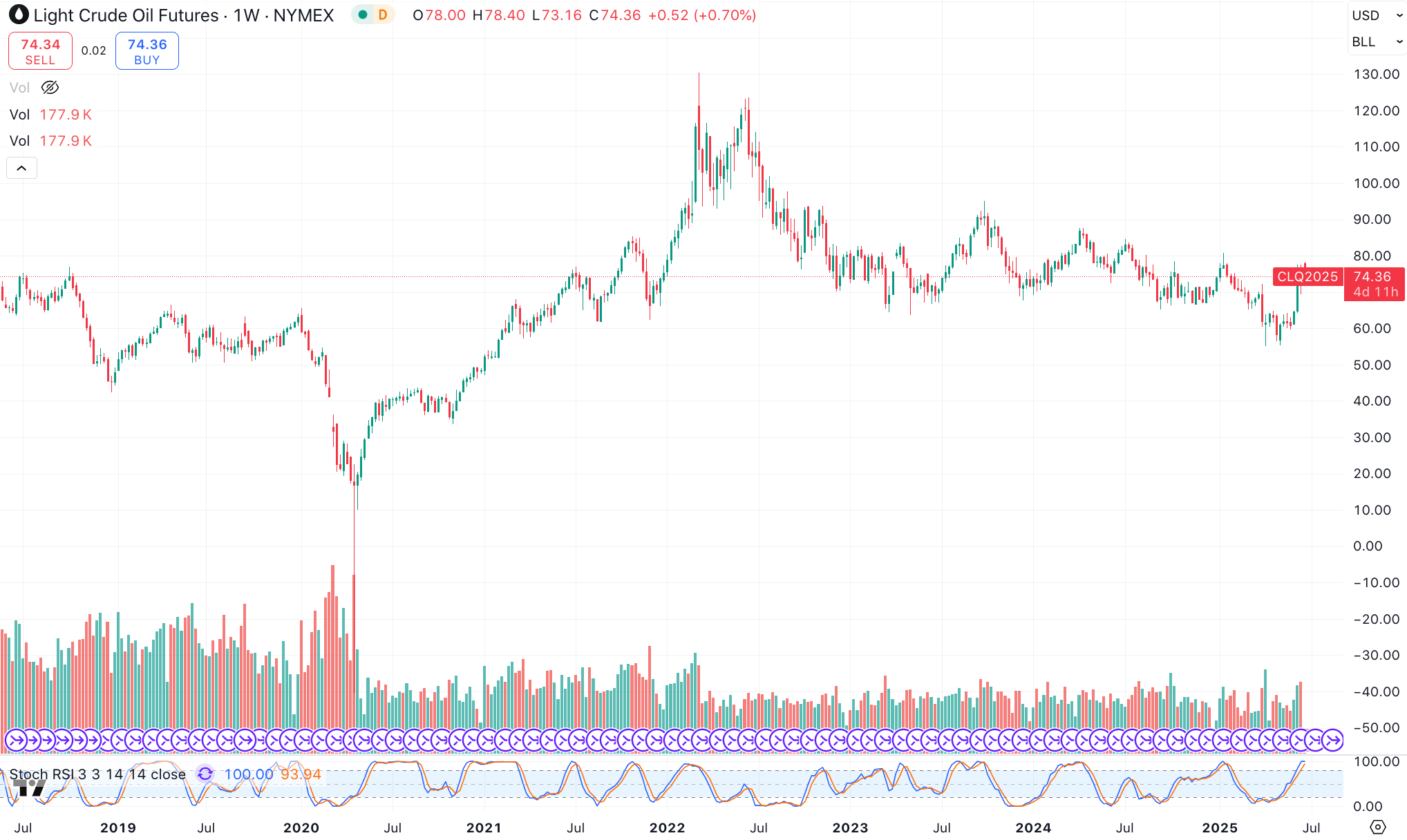
This has led to a steady state where producing assets, especially the smaller ones, have come on the market for pennies on the dollar. There’s also very little PE competition. And there is no rush to buy up land with just a few deposits that produce small amounts of barrels.
Before we dig into the company, we believe it can be very helpful to contextualize the value chain. The processes in O&G are divided into three more or less clear phases: Upstream, midstream and downstream. Although the focus of this post is Upstream, we will develop each one to provide a better context for where each shines and where the risks lie.
Upstream ➤ Exploration, drilling, production
I. Exploration
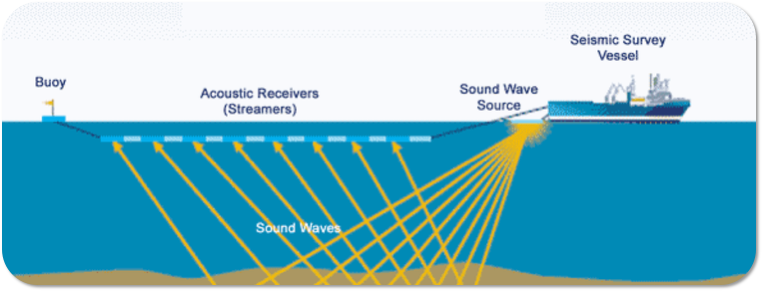
It all starts with a hunch… and a whole lot of science. Somewhere beneath your boots could be a billion barrels of hydrocarbons (or maybe not). To tell the difference, geologists use seismic imaging (essentially ultrasound), drill core samples, and study the layered history of sedimentary basins.
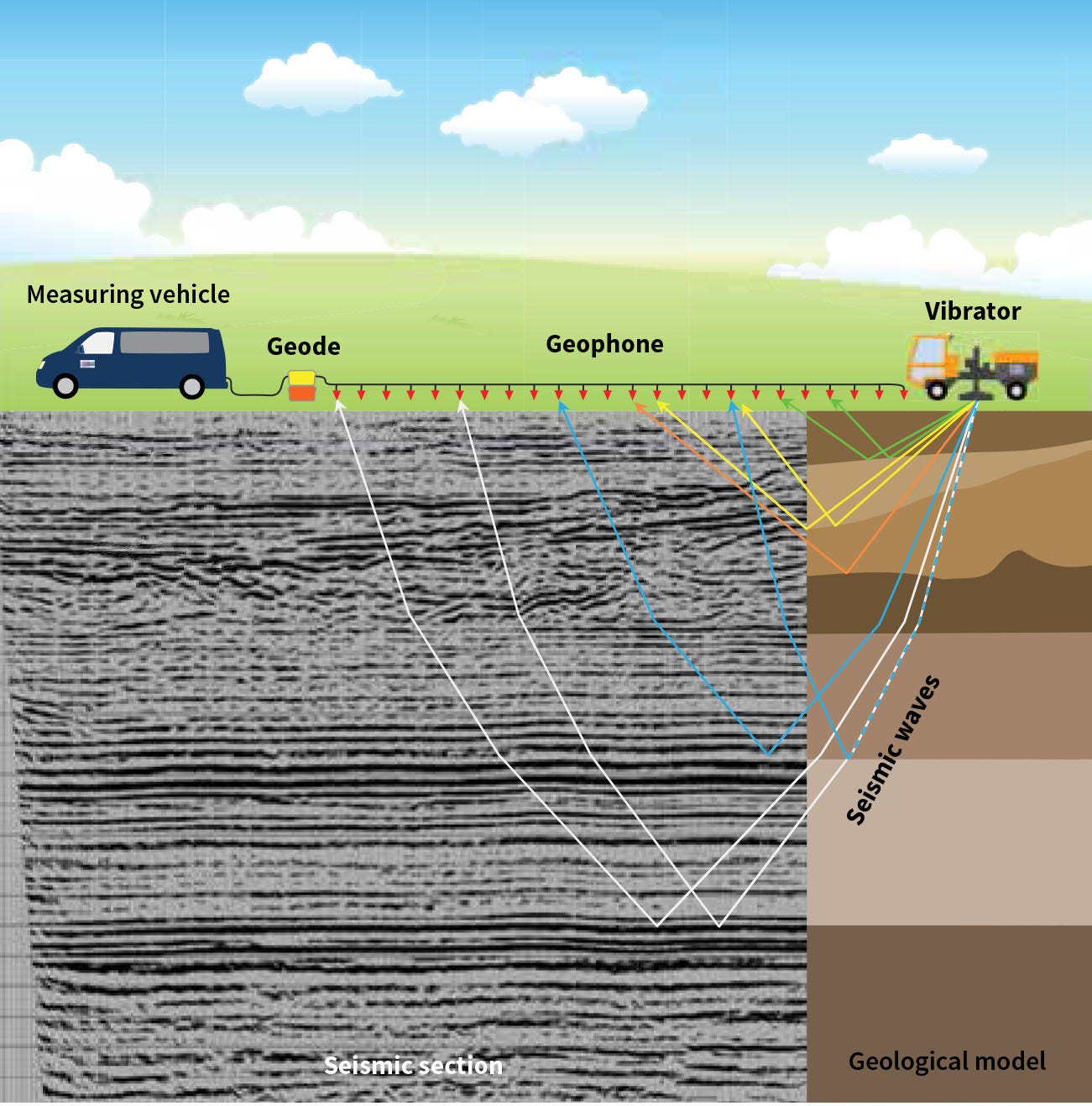
What they’re hunting for is porosity (how much fluid the rock can hold), permeability (how easily it flows), and a good trap, essentially a fault or fold that keeps the oil from migrating away.
But rocks don’t write leases. That’s where the landman comes in. Without the legal rights to drill, all that geology is just academic.
Mineral rights in North America are often a patchwork quilt, fragmented among dozens (sometimes hundreds) of owners. Surface and subsurface level ownership is commonly split, leading to complex cap tables. Each one must be negotiated with, leased, and aligned.
This is often the difference between a basin staying untouched or turning into the next Permian boomtown. When land comes together, so do the rigs. When it doesn’t, nothing moves.
A great example is the Osage Nation. Their mineral estate, held collectively, has empowered them to dictate terms and benefit directly from development, a rare case where the structure enabled opportunity instead of blocking it.
II. Appraisal & Planning
Once you’ve got a likely spot and a legal go-ahead, you drill a few test wells. These search for answers on project viability. We’re testing pressure and flow rates, and confirming the presence of oil or gas throughout the reservoir.
From here, we are testing for recoverable reserves:
P90: “Almost certainly there”
P50: “Best guess”
P10: “If the gods are smiling”
These estimates guide almost all development decisions. CAPEX.
III. Development
Oil is trapped in tight rock. And… you need to crack them, quite literally.
Engineers map out the well plan: how many, how far, how deep. Vertical or horizontal? Fracked or conventional? In shale basins, horizontal drilling changed the game. A single well now travels 2 miles down, then 2-3 miles sideways, draining entire sections of the reservoir. In other words, with just a small additional investment you can double or sometimes triple the life of your asset.
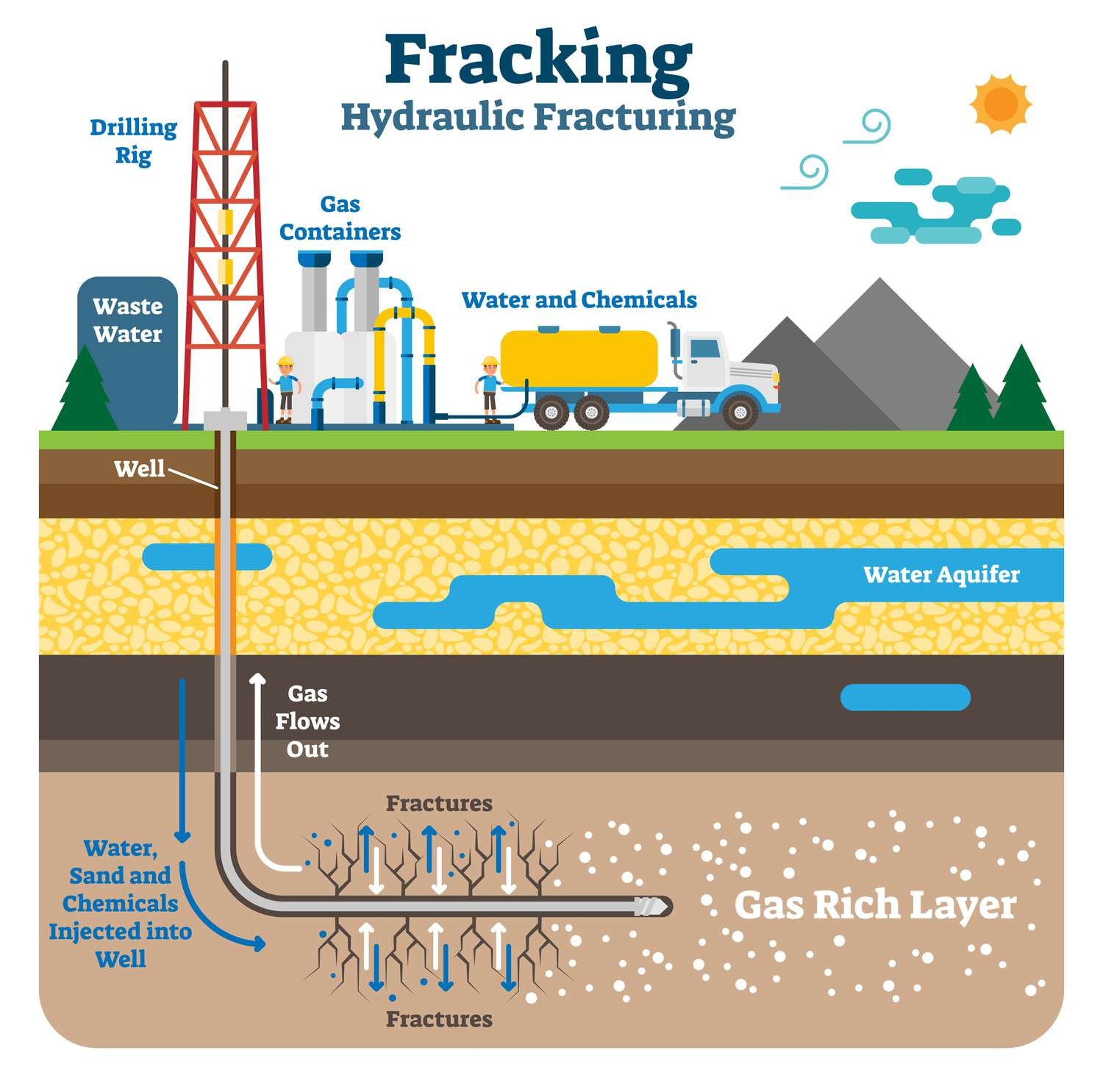
Hyrdrolic fracturing, commonly known as fracking, (while controversial) isn’t really new. It dates back to the 1940s. What’s new is the scale, the precision, and the productivity. And more importantly its use in extremely deep offshore projects, but we won’t go into those.
Meanwhile, surface infrastructure springs up: roads, drill pads, gathering lines, and water systems. All of this has to hum in sync before a single drop is sold.
Once again, CAPEX. Seeing the pattern here?
IV. Production
The hydrocarbons are flowing. We’re still in the upstream phase, but the focus shifts from finding the resource to lifting and treating it.
Some wells gush on their own, powered by natural reservoir pressure. Others need a mechanical nudge: rod pumps, electric submersibles, and assorted lift systems haul the oil to surface.
And with every barrel of oil comes a cocktail of tagalongs aka natural gas (often a welcome bonus) and produced water (decidedly less so).
What comes up is also not ready for market.
You have to separate it.
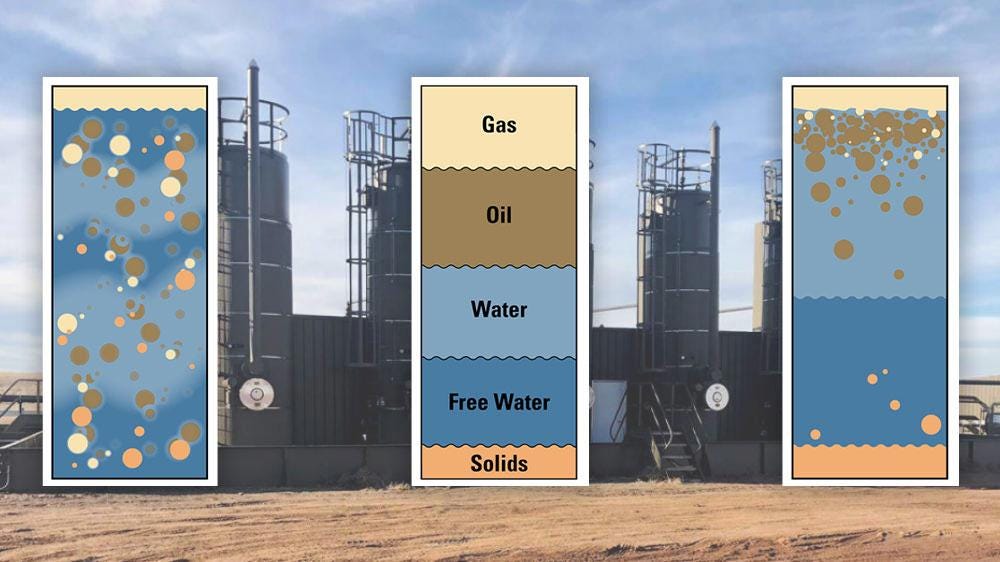
Onsite facilities break the flow into its components: oil, gas, water, and whatever sand or sludge came along for the ride.
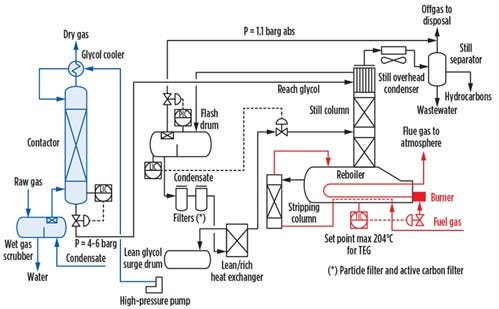
The gas gets dried (water removed), sweetened (H₂S treated), and compressed for transport.
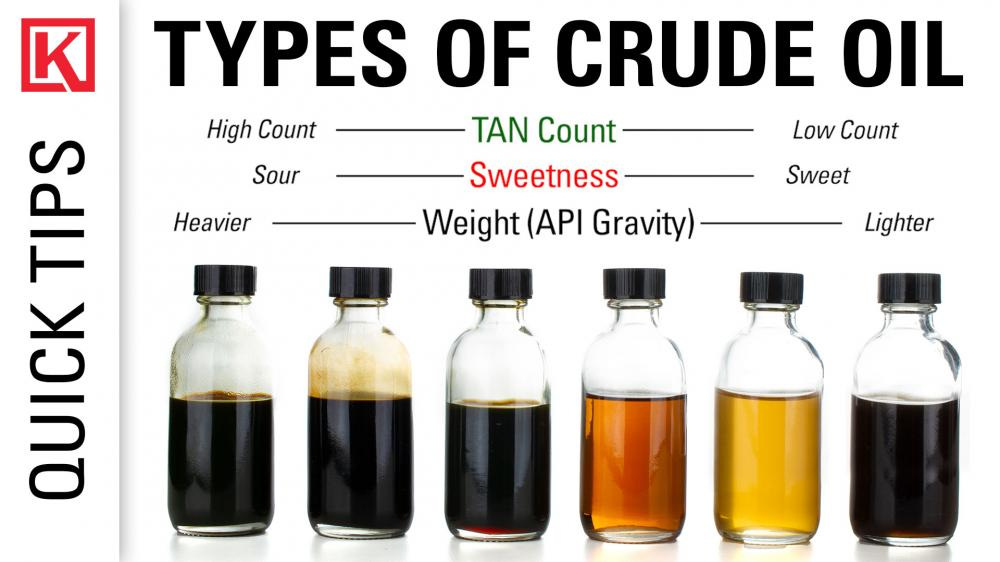
The oil is stabilized, shedding volatile light ends so it can travel safely to market.
Midstream ➤ Transportation, Storage and Compression
I. Pipelines
Once the oil is stabilized and the gas is treated, it’s time to move the goods.
The arteries of this system are pipelines. In mature basins with high volumes, underground pipes quietly and efficiently ferry oil, gas, and liquids to processing hubs and end-markets.
In Canada, roughly 97% of oil flows through a sprawling 840,000 km pipeline network. This is a result of the domestic market and the U.S. being the two primary buyers. Proximity is strategic.
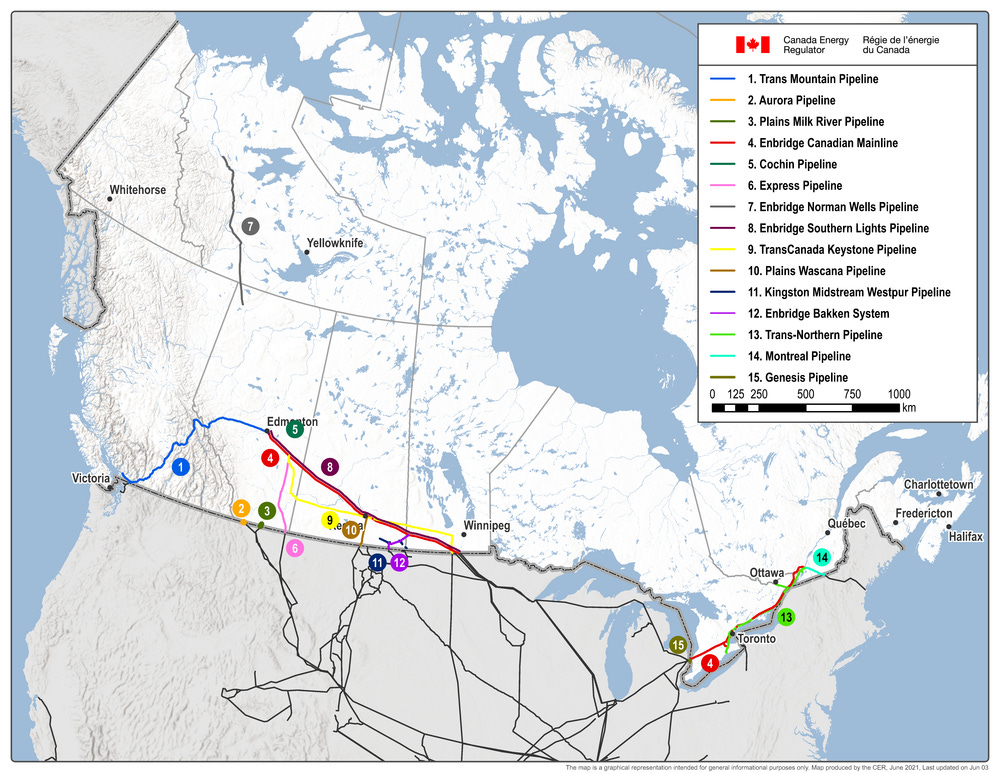
For better or worse, not every well sits near a pipeline. In newer plays or remote regions, crude rolls out by truck or rail, often adding cost, complexity, and a little Wild West chaos.
At the micro level, gathering systems (smaller, spiderweb-like pipelines) connect individual wells to centralized processing facilities. These mini-networks are the capillaries feeding into the broader midstream circulatory system. Without them, each well would need its own logistics setup.
II. Financing
For financiers, midstream is a safe haven in the O&G space. These are often toll-booth businesses charging fees per barrel or cubic foot moved.
That means stable, long-term cash flows, insulated from the price volatility of the commodities. So it’s perfect for infrastructure funds, pension capital, and income-seeking investors.
When done right, it’s just a consistent cash-generating asset.
A great example is Secure Waste Infrastructure, which, among a few other things, does the intermediation of O&G. Great company btw.
Downstream ➤ Refining and Distribution
I. End Product Processing
Downstream is the final act in the hydrocarbon saga. This is where crude oil and natural gas are refined into usable fuels, chemicals, and products that power modern life.
If upstream is the wild frontier and midstream the toll road, downstream is where it all shows up in your daily routine: the pump, in the plastic bottle, or lighting your home.
The downstream journey begins at the refinery, where crude oil is fed into massive towers and subjected to fractional distillation, a heat-based process that separates the mix into usable parts.
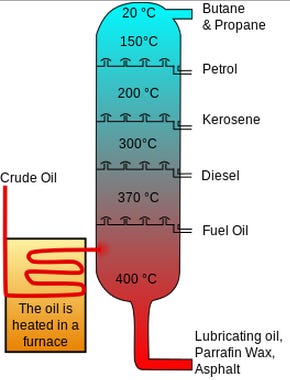
The lightest products rise to the top, and the heaviest sink to the bottom. Out come the familiar names: gasoline, diesel, jet fuel, fuel oil, asphalt, and petrochemical feedstocks like naphtha, ethane, propane, and butane. Each stream has its own market, its own use case, and its own economics. We may dive into these in the future but its too broad a topic for this post.
On the natural gas side, raw gas from the field must be cleaned and sorted. This means stripping out impurities like H₂S and CO₂, and separating the natural gas liquids (NGLs).
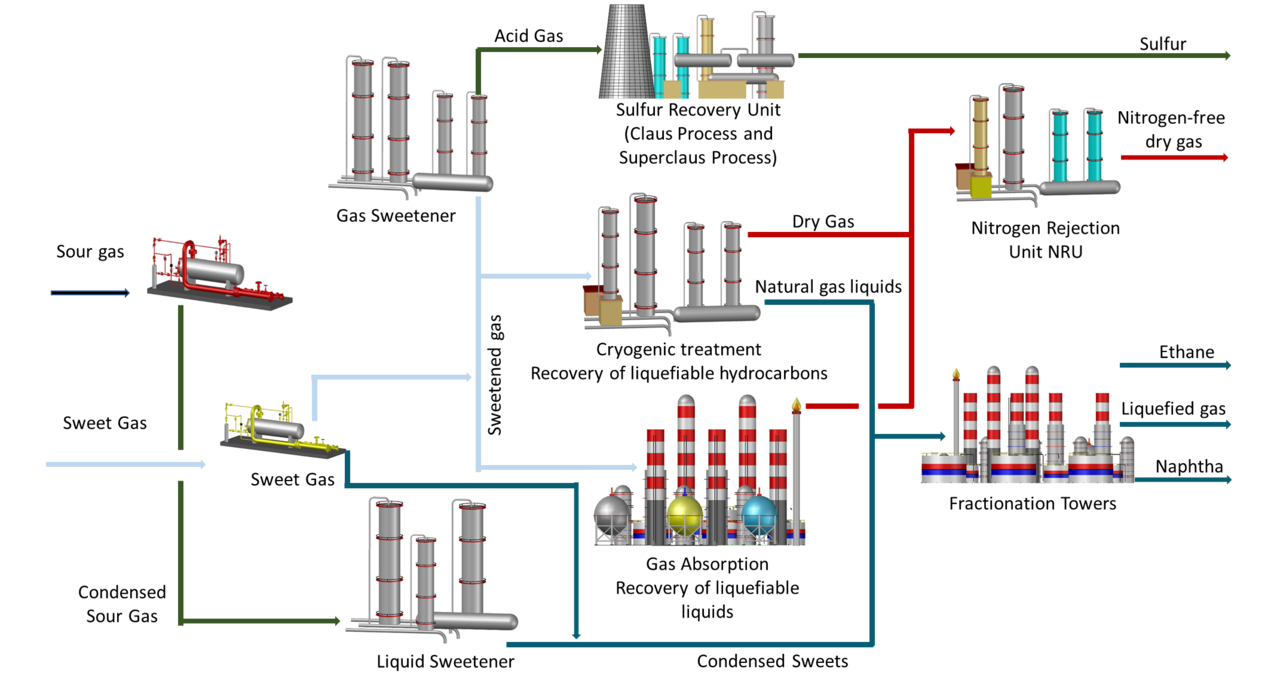
What remains is dry natural gas (methane aka cow farts) piped off for use in power generation, heating, and industry. The NGLs (feedstock gold) are sent to petrochemical plants to become ethylene, plastics, resins, and packaging.
II. Distribution
From there, it’s all about distribution and end use. Natural gas flows through utility pipelines to homes, businesses, and factories. It’s burned to heat water, spin turbines, or synthesize ammonia for fertilizer.
On the oil side, refined products are shipped by truck, rail, and pipeline to their final destinations: fuel stations, airports, factories, and petrochemical hubs. This is where the barrel meets the real world.
For downstream operators, it’s a game of efficiencies and inefficiencies.
Profit depends on three things:
The crude slate (light sweet vs. heavy sour)
The refinery’s complexity (measured by the Nelson Complexity Index)
The crack spread, the price difference between raw crude and the refined products it yields.
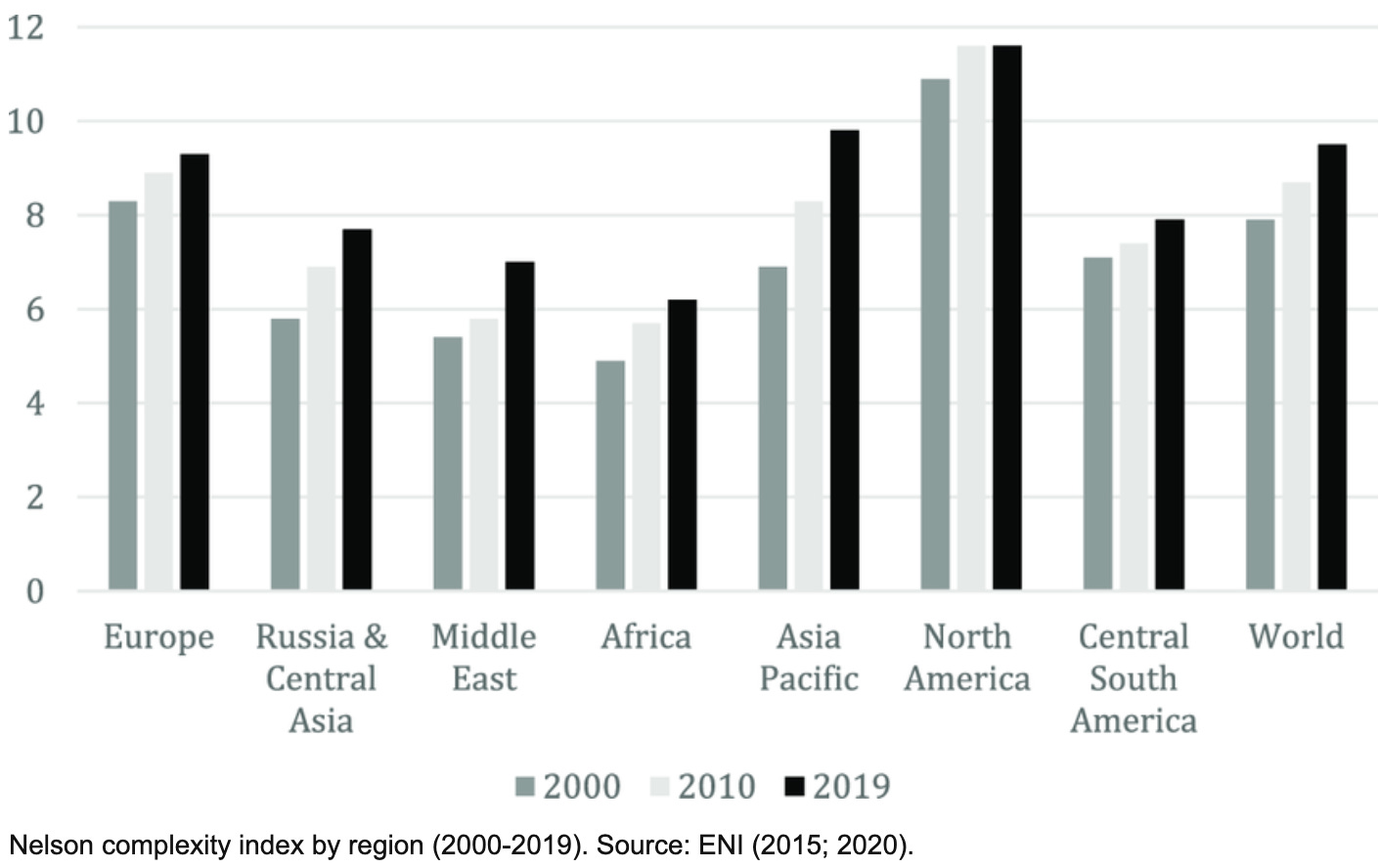
On Making Money
Focusing on what concerns us most, upstream, there’s essentially two ways to play this game:
✔ Mineral/Royalty Interest
You own the mineral rights
You get paid a slice of production (12.5% to 20% of gross revenue)
Passive, but speculative. If nobody drills, you earn zero so partnering is vital
✔ Working Interest (WI)
You co-invest in drilling and operations
You share expenses and revenue
Active, but potentially far more lucrative. Expert-driven field
Ownership is important, but expertise with the operational end is even more so. Taking advantage of certain deductions and tax assets is very important, the major ones you should have in mind are:
IDCs (Intangible Drilling Costs) are often 70-80% of total CapEx and fully deductible; and
Depletion allowances work like depreciation for subsurface wealth
With all this in mind, knowing the craft is necessary but not sufficient. Just like in real estate, the golden rule still applies: location, location, location.
And this goes far beyond mere accessibility. Your jurisdiction, the quality of surrounding infrastructure, and your ability to quickly tap into local expertise can make or break the entire thesis.
So… What Can Go Wrong?
Let’s not romanticize the business, we need to stay clear-eyed about its pitfalls. For starters, both oil and gas prices are notoriously volatile, and producers often depend on hitting certain price thresholds just to stay afloat.
I. OIL
The cheapest oil in the world flows out of Saudi Arabia, Kuwait, and the UAE, where the breakeven is a laughably low $10–30/barrel. It’s conventional, onshore, and scaled to the heavens. If oil stayed at $40 forever, they’re about the only ones that would still make money, but they do need oil to be at around $70 to balance national budgets.
Then there’s the US Shale machine, where the numbers vary wildly:
Permian sweet spots now breakeven at $40–45 Brent, thanks to years of efficiency gains
Less juicy acreage in the Eagle Ford or Bakken might need $55–60+ to be worthwhile
Note: shale declines fast. You’re constantly reinvesting just to stay flat.
Canada’s oil sands are the giants with heavy boots. They have a $60–70 breakeven for new projects. Once built, they produce for decades. But they need long-term price stability and deep pockets. Most drilling in Canada breaks even at around $50, but it has it’s own complexities and these are older facilities.
Offshore brings size and complexity:
Brazil’s pre-salt (super deep sht, below a layer of salt) can work at $35–45. The poster child examples are the Santos and Campos Basins for offshore. This product is mostly light and sweet aka easier to refine, hence the price.
West Africa deepwater (Angola and Gabon) needs mostly $45–55
North Sea is mostly $50–60, with older fields dragging up the average
And if someone’s pitching you the Arctic… well, hope you like $80 oil, permanent ice, and protests
In brief:
Middle East (Onshore) $10–30
Russia (Onshore Conventional) $30–40 + Sactions
Offshore Brazil (Pre-salt) $35–45
US (Permian) $40–50 (in Midland Basin now <$40)
West Africa (Offshore Deepwater) $45–55 + Political risk
North Sea (UK/Norway)$45–60 (will increase as deposits decline)
US (Other Basins) $50–60+ (Higher in Bakken, Eagle Ford fringes)
Canadian Oil Sands (New Projects) $60–70
Arctic $65–90+
II. GAS
Gas is trickier. It doesn’t travel well (unless liquefied), and regional pricing can be wildly different. Most of the gas prices are connected to convenience, or, in other words, transportation.
In the US, Marcellus and Haynesville are kings of cheap, with breakevens as low as $1.50–2.50/MMBtu. This is why US gas trades at laughably low prices compared to Europe or Asia.
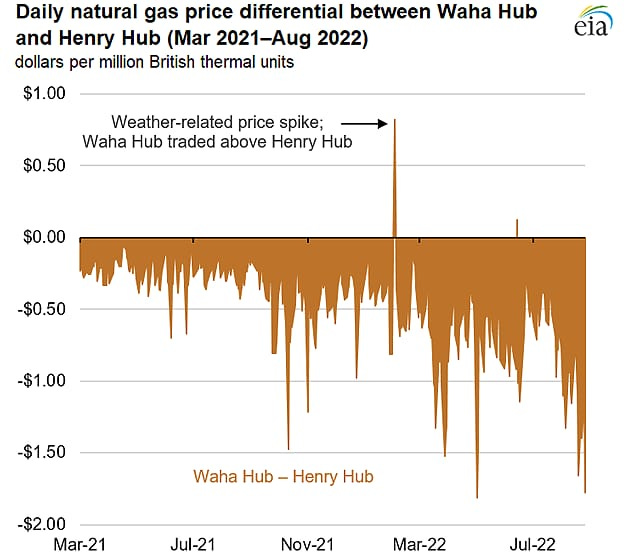
The US also has this beautiful graph, you’ll see how competitive they are to the point where producers PAY to extract and have it transported through the piping.
Negative economics right here.
Qatar, with its fully integrated LNG infrastructure, sits comfortably at $2.50–3.50/MMBtu, even after liquefaction and shipping.
By contrast, Australia’s LNG costs $5–7/MMBtu due to high capex, long transport routes, and tough regulation. Mozambique and Nigeria face similar challenges, with the added bonus of political risk (and a small sprinkling of corruption).
And then there’s China, whose shale gas ambitions come with breakevens of $6–8/MMBtu. Complex geology, tough terrain, and limited infrastructure mean they’ll likely keep importing for a long time.
We also have a few companies like Shell or Golar pulling off floating LNG conversion which provides for very very low costs and, more importantly, no need for infrastructure CAPEX on-site. So they can go anywhere, thus reducing time and costs immensevily.
In brief:
US (Marcellus / Haynesville) $1.50–2.50
Russia (Pipeline Gas) $2.00–3.00
Qatar (LNG) $2.50–3.50
Africa (Mozambique / Nigeria LNG) $4.00–6.00
Europe (Domestic Production) $4.50–6.00
Australia (LNG) $5.00–7.00
China (Unconventional) $5.50–8.00
III. ESG Concerns
On top of the raw breakeven costs, you’ve also got a colorful mix of operational dysfunction and ESG-era red tape.
Some producers are beautifully incompetent, consistently mispricing risk, overcapitalizing poor assets, and running bloated cost structures. Others are weighed down by external pressures, often cloaked in a noble-sounding ESG wrapper.
Permitting is a great example. In Colorado, it can take over three years to get a well approved. In Oklahoma, you’re looking at one month.
Then layer in carbon taxes, credits, and ESG scores, and suddenly large-cap operators start to resemble bureaucratic machines rather than lean energy producers. In some cases, these added layers push base costs so high that operations become marginal or even uneconomic, especially when commodity prices dip.
That’s why you get a fractured industry where cost isn’t just geology… It’s politics, paperwork, and PR.

What Should You Avoid
Before we dive into the list, the easiest way to find the winners is to filter out the "shit" players first. You need to know exactly what the red flags look like. By identifying these warning signs early, you can rule out a bad play in minutes rather than wasting hours on a project that will ultimately lead you astray.
Here’s our checklist:
Tier 2/3 Inventory Only: If a company’s acreage is located on the fringes of a basin (outer rings), its costs will always be higher and its flow rates lower. If they aren’t in the core, they’re just waiting to go bust when prices dip.
High Breakeven Costs: Any company that needs oil at $65+ WTI just to keep the lights on is a walking dead play. We look for players who can survive at $45-$50. Note that all 1P/2P calculations will still be made at $65-70, but we’re talking about Revenue vs OPEX here, not book value.
The Drill-to-Value Trap: Avoid companies that have to drill constantly just to maintain production levels (w/ high decline rates). If they stop drilling for six months, their production will fall off a cliff.
Excessive Leverage (Debt-to-EBITDA > 2.0x): High interest payments eat the cash flow that should be going to your dividends. Pls note that you must understand deleveraging processes and debt covenants fully before jumping into any of these.
Opaque Adjusted EBITDA: If the management team is constantly adding back one-time expenses to make their earnings look better, they are hiding operational inefficiencies.
Low Free Cash Flow Yield: We care about the cash left over after the bills are paid. Eternal high CAPEX is a poor indicator; you have to understand where that money is going and how it will be returned in the near future.
Diworse-ification: Be wary of oil companies buying unrelated tech startups or green projects that have nothing to do with their core competency. It usually signals that their own oil inventory is running out.
Poor Capital Allocation: If the company is issuing new shares (diluting you) while the stock price is at a multi-year low, the management doesn’t respect your capital.
Geopolitical (Hostage) Assets: If a significant portion of their production is in a country with an unstable regime or a history of nationalizing assets, your investment can go to zero with one political decree.
Consistent Production Misses: If they have missed their own production guidance for three quarters in a row, it’s probably poor engineering or bad rocks.
Excessive Management Compensation: If the CEO is getting massive bonuses while the stock is underperforming the XLE (energy benchmark), their interests are probably not aligned with yours.
Shadow Hedging: Be careful with companies that have hedged 100% of their production at low prices. If oil spikes to $120, they won’t see a dime of that upside because they’ve already sold their barrels for $75. The industry standard is about 50%.
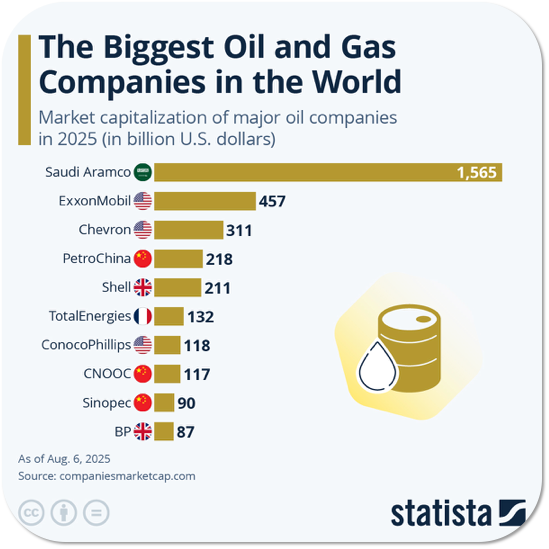
The Big Guns
We have to start with the ‘Big Five’ western supermajors and the state-sponsored giants that anchor the global market.
These companies are fully integrated, controlling every step of the value chain.
Love them or hate them, they are constantly churning out massive projects that provide the consistent energy required to power almost everything in the Western Hemisphere.
You’ve almost certainly heard of these names, but you might not realize just how much impact they actually have.
ExxonMobil ($XOM). Best-in-class operational efficiency and huge growth in Guyana and the Permian. Doubling down on high-margin oil while scaling carbon capture schemes.
Chevron ($CVX). Berkshire owned low-cost production in the US shale. Integration of the Hess acquisition to boost offshore and shale output.
Shell ($SHEL). Dominates the global natural gas trade, which is sold to the world as the bridge for the energy transition. Shifting back to cutting costs and focusing on gas profitability.
TotalEnergies ($TTE). The most aggressive of the group in blending renewables with traditional oil. High-growth projects in Africa and offshore Brazil.
BP ($BP). Recovering from a rocky pivot to green energy by returning to its oil and gas roots.
Saudi Aramco ($2222). They produce roughly 10% of the world's oil. In 2026, they are focused on massive capacity expansions and maintaining the lowest production costs on the planet.
Eastern Players
In addition to the Western majors, a complete map of the sector must include global giants like Petrobras ($PETR4), the state-sponsored Russian duo Rosneft and Gazprom ($GAZP), and China’s PetroChina (SHA:$601857). While these companies command some of the largest reserves on the planet, they operate under a completely different set of rules.
For a fund like ours, they present a black box of risk; their corporate strategies are often secondary to national interests, whether that means subsidizing domestic fuel prices in Brazil or navigating the complex web of sanctions and shadow fleets currently defining Russian exports.
We view these players as having too many unknowns to fit into a traditional investment framework. When the primary driver of a stock is a political decree rather than a balance sheet, the risk of a stroke-of-the-pen event becomes too high.
Whether it’s PetroChina’s mandate to prioritize national energy security over shareholder dividends or the opaque governance within the Russian energy sector, these entities introduce geopolitical variables that we cannot reliably model. For these reasons, we tend to observe them from the sidelines to understand global supply, but we rarely consider them for direct allocation.
Where We’re Allocating
Betting on the equity or debt of these giants is a direct proxy for global energy demand and the real-world pace of the energy transition. Because these companies hold massive global reserves, they also act as a leveraged play on the commodities themselves, both oil and gas.
Playing the supermajors is akin to playing politics.
At our fund, we generally avoid engaging the sector through these names because the macro game is incredibly complex. There are too many variables outside of a standard balance sheet.
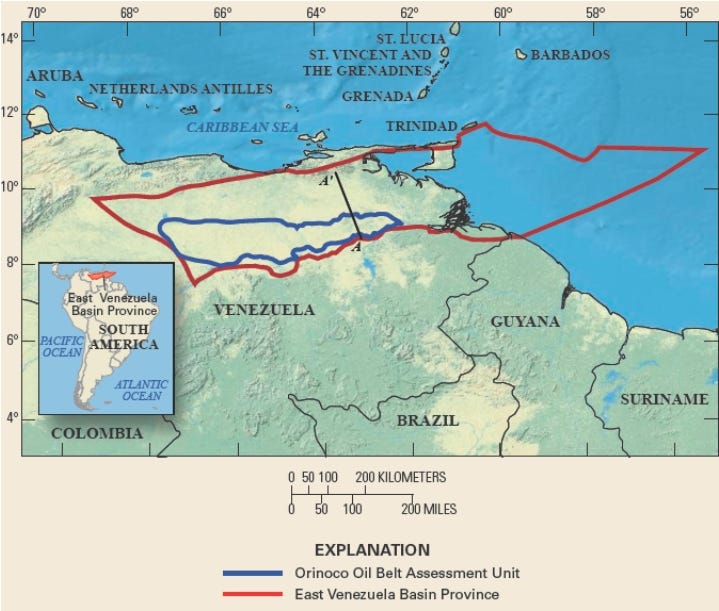
For example, the current situation in Venezuela and the potential for a full-scale opening of the Orinoco Belt would be a massive shift. These companies are the only ones with the scale and capital to extract the 300 billion barrels of proven reserves sitting there.
A move like that would fundamentally alter global supply and pricing. Because these projects are so massive and tied to geopolitical stability, we prefer to leave the macro guessing to others. We don’t like investing where ‘geopolitical noise’ can override fundamental performance.
However, understanding how these giants delegate their work opens up a much better pond to fish. Most supermajors outsource their most critical technical components, creating niche leaders and, in some cases, functional monopolies.
These sub-players often operate under pristine conditions, with long-term guaranteed contracts and protected margins that the ‘big guys’ simply don’t have.
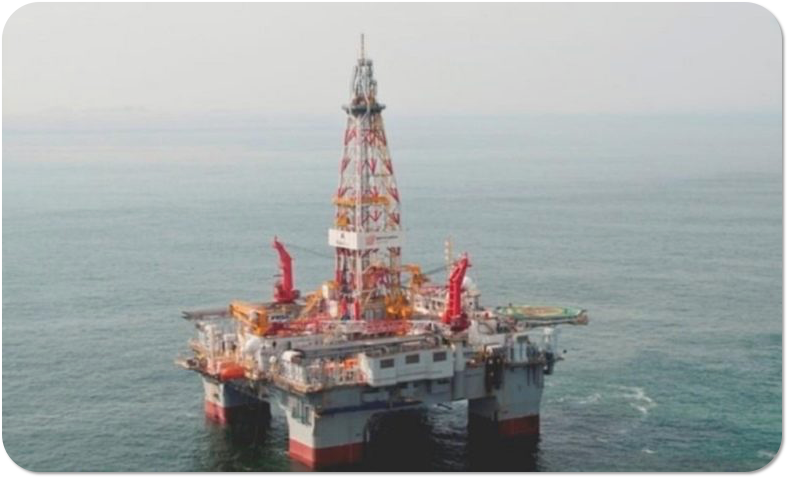
A perfect example is Constellation Oil Services ($COSH). They service Petrobras and are essentially locked into their supply chain for the foreseeable future.
While their LTM (Last Twelve Months) revenue sits around $540m, their backlog tells another story: over $2.1bn in guaranteed sales booked for the next two years.
With a clear roadmap to deleverage the balance sheet and a plan to funnel that incoming cash into massive shareholder dividends, it’s a classic case of a niche player owning a high-value corner of the market.

High-quality US
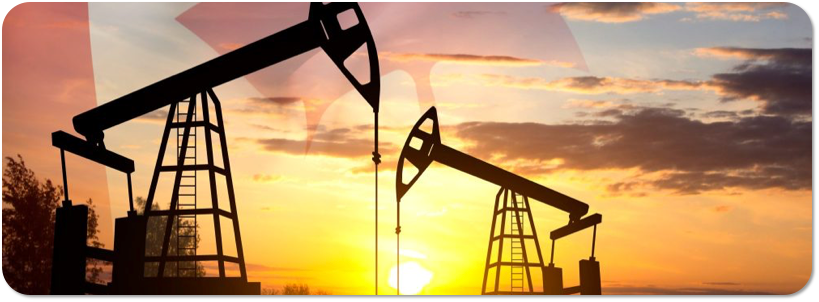
To tell the story of the US oil market, you have to start in the Permian Basin. This patch of desert in West Texas and New Mexico is the undisputed gold standard of global energy production.
Its landscape is defined by massive M&A consolidation where the big eat the small to secure the best rocks, and you get the drama of the most recent narrative.
One week, the market obsesses over the green transition, and the next, it hyps up how AI data centers will require a massive surge in natural gas and power. Through all the noise and the cycles, the Permian remains the heartbeat of the industry (in the US).
When we look at the players in this theater, we generally divide them into two camps: the Cost Leaders, who win by being some of the most efficient operators (on earth), and the Value Plays, who are using their Permian dominance to fund the future or return massive piles of cash to investors.
The Cost Leaders
In a world where price is set by global politics, these guys win by having the lowest break-even point in the business.
Diamondback Energy ($FANG). If there were a king of the Permian independents, this is it. Following their massive $26B merger with Endeavor, Diamondback has built what we call a fortress inventory. They’ve locked up the best acreage and streamlined their operations so effectively that they remain profitable even if oil mid-points at $40/bbl. They are the benchmark for scale.
Permian Resources ($PR). While Diamondback has the scale, Permian Resources has the agility. They are the street fighters of the Delaware Basin. Right now, they are the low-cost benchmark across the entire industry, with controllable cash costs of $7.15–$8.15 per barrel. When every cent counts, PR is the gold standard for lean operations.
Matador Resources ($MTDR). Matador is the brick-by-brick consolidator. They haven’t chased the flashy, headline-grabbing mega-mergers; instead, they’ve quietly and efficiently built a powerhouse in the Delaware sub-basin. Their reputation is built on technical precision and an incredibly disciplined approach to drilling.
The Value Plays
These companies aren’t just about pumping barrels; they are about what those barrels represent, whether that’s a bridge to new technology or a direct pipeline of cash to your brokerage account.
Occidental Petroleum ($OXY). There’s a reason Warren Buffett keeps buying the dip here. OXY is a unique beast. They are using the massive cash flow from their Permian heartland (further supercharged by the CrownRock deal) to fund a massive, aggressive pivot into Carbon Capture technology. They are betting that the future of oil is net-zero, and they have the cash to prove it.
EOG Resources ($EOG). Inside the industry, EOG is often called the ‘Apple’ of oil. They don’t chase every well; they only chase premium wells. They lead the pack in using AI and real-time data analytics to predict exactly where the best oil sits, allowing them to lower drilling costs in the Delaware Basin through pure technological superiority.
Devon Energy ($DVN). Devon’s story is all about discipline. While they have assets spread across several basins, the Permian is the engine that stays under the hood. Their mantra is value over volume. They are trying to make the most profit per barrel so they can return the majority of that free cash flow directly to shareholders.
Where We’re Allocating
Most of the time, these players are efficiently priced, but business combinations can create significant inefficiencies. On one hand, the market usually overestimates synergies and cost savings from mergers, often assuming compatible cultures and straightforward processes.
In reality, what matters most is simple asset counting: you should focus on the 1P reserves and the cost to develop 2P and 3P inventory. While accelerated timelines usually mean higher IRR, assessing whether M&A actually speeds up production can be challenging.
Our favorite play here is the combination of SM Energy ($SM) & Civitas Resources ($CIVI). Smaller players are realizing that without scale, they can’t negotiate with major oilfield service providers for better rates.
This merger, finalized in early 2026, has created a top-10 U.S. independent producer by trading average rocks for survival scale. The deal effectively doubled SM’s inventory to 1.48bn Boe in 1P reserves and roughly 2.4bn Boe in 2P reserves, securing over eight years of high-quality drilling runway across the Permian, DJ, and Uinta basins.
By controlling 823,000 net acres, the new entity will probably unlock $200m-ish in synergies, using its increased muscle to squeeze better rates out of service providers and aggressively deleveraging through strategic divestitures. While the Permian provides the scale, the real upside comes from the Uinta Basin, which continues to churn out some of the highest-margin barrels in an $80+ oil environment.
Alternative Canadian
If you want to move away from the high-octane M&A of the Permian and look for stability, you head north to the Canadian Alternatives. Alberta and Saskatchewan are the land of the ‘Long-Life, Low-Decline’ asset.
While the US shale story is about fast cash and quick drilling, the Canadian story is about decades-long savings accounts. These companies are essentially infrastructure-heavy cash machines with one major downside: They’re not in the US but still sell to the US.
Please note that Canada is famous for a not so good thing and that would be heavy oil (harder to refine) that trades at a discount known as the Western Canada Select (WCS). With that in mind, we will mention some gas plays which happen to be fantastic in the country.
Tourmaline Oil ($TOU)
Based primarily in the Alberta Deep Basin, Tourmaline is the undisputed gold standard for Canadian natural gas, operating with the efficiency of a high-growth tech firm rather than a traditional driller. As Canada’s largest gas producer, they reached a massive production milestone of 685,000 boe/d in early 2026, driven by a legendary cost structure that keeps operating expenses near $4.50/boe. Their real competitive advantage lies in ownership; by controlling their own gas plants and midstream infrastructure, they own the toll road for their product, which has allowed them to aggressively expand their 2P reserves to over 6 billion boe. For every barrel Tourmaline pumps, they consistently prove up three more, making them a premier play for investors seeking a dominant, self-contained infrastructure machine with a fortress balance sheet.
Strathcona Resources ($SCR)
Strathcona Resources is the quintessential long-life player, acting as the primary consolidator of heavy oil across the Cold Lake and Lloydminster regions of Alberta and Saskatchewan. Unlike the fast-depleting shale wells in the U.S., Strathcona’s assets are designed for decades of steady output, boasting a 1P reserve life of 29 years and a staggering 2P reserve life of 51 years. They focus on a disciplined, highly profitable grind, guiding for 125,000 bbl/d in 2026 with a clear organic path to 200,000 bbl/d by the end of the decade. Investing in Strathcona is a bet on fine wine reserves assets that require low capital intensity to maintain and provide a reliable, half-century runway of oil production.
Whitecap Resources ($WCP)
Whitecap Resources is the income machine of the Western Canadian Sedimentary Basin, specifically engineered to return massive amounts of free cash flow to shareholders through a diversified portfolio of light oil assets. Operating across both Alberta and Saskatchewan, Whitecap has earned a reputation as a retail favorite by treating its monthly dividend as a sacred commitment, backed by an investment-grade balance sheet and consistent operational execution. They recently reported quarterly revenue of $1.2bn, proving that their value-over-volume strategy can thrive even in a volatile pricing environment. With a yield hovering around 5.3%, Whitecap doesn’t try to conquer the world through risky exploration; they simply optimize their existing acreage to ensure the monthly checks keep clearing for their investors.
Where We’re Allocating
If you’ve been following our fund, you know our strategy always comes back to the same fundamental exercise: counting the rocks.
Our two primary high-conviction plays, Saturn Oil & Gas ($SOIL) and Yangarra Resources ($YGR), represent a balanced attack on the sector, one dominated by high-netback light oil and the other by a massive, infrastructure-backed natural gas footprint.
Saturn Oil & Gas ($SOIL)
Saturn has spent the last few years quietly rolling up high-quality, low-decline assets across Saskatchewan and Alberta, and by early 2026, the scale is hard to ignore. They recently reported record production exceeding 43,600 boe/d and, more importantly, a 50% Free Funds Flow yield.
Their PDP (Proved Developed Producing) Net Asset Value sits at roughly $5.50/share. With a management team focused on aggressive debt repayment ($110M cleared in 2025 alone) and an inventory that can sustain 20 years of drilling, Saturn is our premier play for light oil returns.
Yangarra Resources ($YGR)
Yangarra is the pure-play on Central Alberta’s Cardium and Belly River formations. Junior producers are often overlooked but, again, we focus on their PDP Reserve Life Index of nearly 12 years, an extraordinary runway for a company of this size.
Yangarra owns its own infrastructure, which allows them to maintain industry-leading operating margins even when prices are volatile. They’ve recently unlocked a new secret weapon in the Belly River play, with new well designs pushing productivity above 500 boe/d.
Exploration Mapping: Data & Imaging
Beyond total production, we love looking at the niche markets that gobble up the most essential parts of the budget, specifically, exploration. For the majors, the choice is simple: do the work yourself or outsource it to a specialist through a B2B, subscription-style service. Most choose the specialists. These are the picks and shovels plays of the modern gold rush, owners of incredible intellectual property in the form of massive libraries of 3D and 4D seismic data. In 2026, these datasets are the ultimate gatekeepers; every oil major must license this imagery before they even think about moving a rig to a new site.
TGS Nopec ($TGS). Following its early-2026 merger with PGS, TGS is now the undisputed king of energy data. They own the world’s largest multi-client data library. Essentially, they map the ocean floor and the subsurface on their own dime and then lease that data to companies like Exxon or Shell. In 2026, their focus is on Ocean Bottom Node (OBN) technology, which provides the highest-resolution images ever seen of deep-water reservoirs.
Viridien ($VIRI). A French high-tech powerhouse. They’ve moved beyond just mapping into what they call Earth Data. They specialize in complex Full-Waveform Inversion (FWI), which uses massive supercomputers to turn messy seismic echoes into crystal-clear 3D maps. They are currently a key partner for Petrobras in the Pre-Salt fields.
Shearwater GeoServices. A private but dominant player in marine seismic acquisition. They own the fleet of specialized vessels that actually do the physical mapping. In early 2026, they secured a major contract with Eni in the Timor Sea, proving that offshore exploration is back in a big way.
Where We’re Allocating
I’ll make this one easy. TGS, TGS, TG freaking S.
While there are other European players like Saipem or TechnipFMC, none of them even compare to TGS in terms of market control and capital allocation.
Following its merger with PGS, this company now commands roughly 70% of the global multi-client library, essentially acting as the gatekeeper for offshore exploration data.
This company is insane, a dominant monopoly-style play that effectively owns the industry’s search engine.
Nothing more to add.

Oilfield Services
The Oilfield Services (OFS) sector is perhaps the most famous oligopoly in the space. Known as the ‘Big Three’, these companies own the high-end technology required for the most complex drilling, think deepwater, long-range horizontal wells, and high-pressure fracking.
In 2026, the game has shifted. As production growth in basins like the Permian begins to plateau, the focus has moved from more wells to smarter wells. These giants have effectively rebranded as energy-tech firms, using AI-driven digital twins and autonomous drilling systems to make themselves indispensable. They are providing the brain of the oilfield.
SLB ($SLB). Formerly Schlumberger, they are the undisputed global leader in reservoir intelligence. In 2026, SLB is beating the market by pivoting hard into its DELFI cognitive environment, a cloud-based AI platform used by 85 of the top 100 producers to map the subsurface. Their recent $8B acquisition of ChampionX has also made them the dominant force in the production phase, ensuring they get paid for the entire life of a well, not just the day it’s drilled.
Halliburton ($HAL). If SLB owns the brain, Halliburton owns the muscle of US shale. They remain the king of hydraulic fracturing completions. Their Zeus IQ intelligent fracturing platform has become the industry standard for closed-loop fracking, using real-time subsurface feedback to adjust pressure without human intervention. While they are more exposed to the U.S. market, their push into e-drilling (electric fleets) has kept their margins healthy even as rig counts stay flat.
Baker Hughes ($BKR). Baker Hughes has successfully pulled off a massive strategic pivot. While they still do oilfield work, they now dominate the LNG (Liquefied Natural Gas) supply chain, holding an estimated 90% market share in the specialized turbomachinery needed for gas liquefaction. In 2026, they are the all-of-the-above play, capturing massive backlogs in both traditional gas and new-energy frontiers like carbon capture and hydrogen-ready turbines for AI data centers.
Where We’re Allocating
You cannot talk about this sector without mentioning NOV Inc. ($NOV). They don’t just provide services; they manufacture the mission-critical DNA of the industry. From the top drives to the blowout preventers, almost every drilling rig on earth is built with NOV components.
In 2026, NOV has evolved into a high-margin parts and software business. They recently hiked their dividend by 20%, signaling that their transition away from low-margin heavy manufacturing is working. They own the IP of the rig itself; even if you’re using an SLB or Halliburton crew, you’re likely standing on NOV steel and using NOV sensors to stay on track.
Midstream: Pipelines and LNG Technology
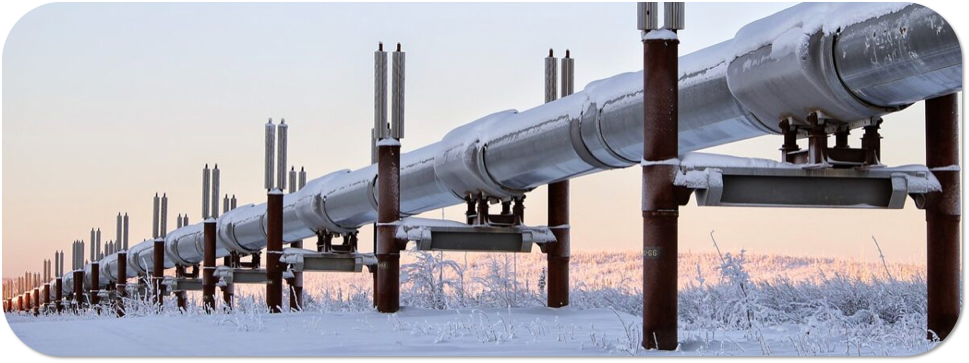
Midstream companies are the middlemen of the energy world, owning the pipelines, storage terminals, and processing plants that move product from the wellhead to the end consumer. This is a natural oligopoly; you can’t simply build a competing pipeline next to an existing one, permitting is a regulatory nightmare, and the construction costs run into the billions.
The beauty of this sector lies in its toll-road business model. These companies generally operate under long-term, take-or-pay contracts, meaning they get paid based on the volume of product moving through their pipes, not the price of the oil or gas itself. In 2026, as North American energy demand hits new highs, driven largely by the massive power needs of AI data centers, midstream assets have become some of the most strategic real estate on the planet.
NA Titans
Enbridge ($ENB). If there is a ‘landlord’ of North American energy, it’s Enbridge. They move roughly 30% of all crude oil produced on the continent and nearly 20% of the natural gas consumed in the U.S. In early 2026, Enbridge reaffirmed its massive $39 billion project backlog, proving that their all-of-the-above strategy is working. They are becoming a utility giant, securing $14 billion in new projects last year alone to feed hungry markets in the U.S. Northeast and the Gulf Coast.
TC Energy ($TRP). Formerly TransCanada, this company is the backbone of the natural gas grid. TC Energy is currently riding the AI Wave, with management noting that their infrastructure is perfectly positioned to serve 60% of projected U.S. data center growth. In 2026, they are focused on a disciplined 6–8% EBITDA growth target, underpinned by 20-year contracts that make their cash flow look more like a government bond than a commodity play.
Export & NGL Specialists
Enterprise Products Partners ($EPD). Enterprise is the king of Natural Gas Liquids (NGLs), the ethane, propane, and butane that power everything from plastic manufacturing to home heating. They own a fortress-like, integrated network that links the Permian Basin directly to their massive export terminals on the Gulf Coast. In 2026, EPD is focusing on quiet growth, reinvesting over $3 billion into their system to expand NGL fractionation and export capacity as international demand for U.S. liquids continues to climb.
Cheniere Energy ($LNG). While the name says LNG, Cheniere operates like a high-margin midstream toll booth. They own the massive trains that chill natural gas into liquid form for export. Following a key DOE approval in early 2026 for their Corpus Christi expansion, Cheniere is now targeting a record production of up to 53 million tonnes of LNG this year. With 95% of their capacity locked up in long-term contracts, they are the primary gateway for U.S. gas reaching energy-starved markets in Asia and Europe.
Where We’re Allocating
Given their size and positioning, these are toll booths that are rarely mispriced. We keep a close eye on them, but they only occasionally reach a valuation that makes them buyable for our fund.

Bonus: Satellite & AI Surveillance
One of those segments that works really well for investors is competitor data collection. Beyond simply finding bargains or spotting production errors, these players are incredibly consistent because the market always has a high demand for informed, data-backed opinions.
Maxar Technologies & Planet Labs ($PL). These companies provide high-revisited satellite imagery. In 2026, oil companies use this to monitor competitors’ drilling pads in the Permian or to track shadow fleets moving sanctioned oil across the globe.
Terrabotics. A niche leader in using satellite data to create 3D Terrain Intelligence. They can measure the volume of oil in storage tanks or the progress of a pipeline build from space with millimetric precision.
Bonus: Floating Natgas Liquifiers
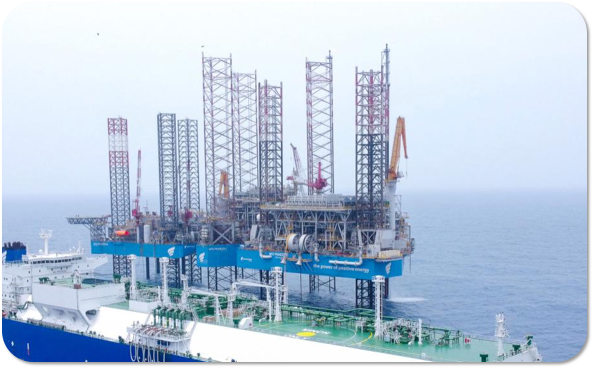
If you’re looking for the true nomads of the energy world, you look at Floating LNG (FLNG). These companies act as mobile factories that can unlock stranded gas fields previously too remote or small to justify a multi-billion dollar onshore terminal.
In 2026, as Europe and Asia scramble for energy security, these portable platforms have become the ultimate strategic assets. And this technology is very relevant in the case of one of our favorite fishing ponds, Argentina.
Golar LNG ($GLNG). Golar is the undisputed pioneer and only independent FLNG-as-a-service provider in the world. Their business model is built on speed and cost-efficiency, primarily through converting old LNG carriers into high-tech liquefaction units like the Hilli and the Gimi. In 2026, they are sitting on a massive $13.7 billion Adjusted EBITDA backlog, anchored by a 20-year contract in Argentina. Golar’s unfair advantage is their ability to deploy capacity at a fraction of the cost and time of traditional land-based terminals, making them the first call for any nation with offshore gas and an urgent need for cash flow.
New Fortress Energy ($NFE). New Fortress is the aggressive disruptor in the space with its proprietary Fast LNG design. Instead of massive custom ships, they use standardized, modular liquefaction units built on jack-up rigs or fixed platforms, which they can stack to scale capacity quickly. While 2026 has seen them navigate some financial restructuring and project delays, their Fast LNG 1 in Mexico remains a blueprint for how to bypass traditional 5-year construction cycles. They are unique because they are vertically integrated, often owning the gas, the liquefier, and the downstream power plants they serve.
Eni ($ENI). While they are a global supermajor, Eni operates more like a specialized FLNG boutique in its African portfolio. They have mastered the Plug and Play offshore model, using units like the Tango FLNG and the newly launched Nguya FLNG to turn the Republic of Congo into a global exporter in record time. By early 2026, Eni’s sequential deployment strategy in Africa has proven that portable liquefiers are the fastest way to bridge the global gas supply gap while monetizing offshore resources that others would simply flare.
MISC Berhad ($MISC). This Malaysian giant is the technical backbone for Petronas and was the first in the world to successfully operate a floating liquefier at extreme depths. Their PFLNG Satu and PFLNG Dua are the industry’s high-spec benchmarks, capable of unmooring and moving from one field to another once a reservoir is depleted, the literal definition of portable. In 2026, MISC continues to lead in deepwater FLNG operations, proving that these mobile factories can handle the most hostile offshore environments while maintaining industry-leading uptime.
We’ve now discussed the major players, but the question remains: how do you know if these names are actually high-quality, and more importantly, a fit for your portfolio?
Even though people love to complicate this, it really comes down to the same three catalysts: FCF yield, asset base, and backlog guarantees.
In our case, we skip the adjusted noise and focus on pure cash flow often seen in this sector as Adjusted Funds Flow. That is because we want to understand how their operations actually generate cash, how much they’re forced to reinvest (CAPEX), and how they are navigating debt, equity raises, or buybacks.
Beyond that, trust only 1P reserves. Many operators exaggerate their recovery rates and possible inventory, but 1P doesn’t lie; you either have it and it’s producing, or you don’t.
Finally, if you’re looking at a servicing company, you have to read the contracts.
These firms are often dependent on a handful of major clients, where covenants, pricing, and duration can make or break the entire operation. Comb through the fine print and grill management on specific stipulations, obligations, and incentives. If you can see a guaranteed, quantifiable backlog, it’s usually the best sign of a competent management team.

If you found value in this analysis, please hit the ❤️ button and share your thoughts in the comments. It helps us bring institutional-grade research to a wider audience.
Alejandro, a wonderful education. Thank you!