


The shift is undeniable. In previous cycles, the floor price of Bitcoin was dictated by coal-fired rigs in Sichuan, China, and a handful of individuals conducting opaque business around the world.
Today, that geopolitical center of gravity has shifted to North America, specifically to the stranded hydro assets of Canada. So... we spent the last quarter auditing the cost structures of these mainstream producers and found out a few items.
Leveraging our background in Canadian power infrastructure and extensive blockchain stress testing through our cybersecurity arm, we have reconstructed the unit economics of the modern miner.
We are solving for two critical variables:
Value Creation v Destruction: At what exact price do miners stop printing money and start printing shares?
Asset Price Floor: Based on these unit economics, what is the absolute downside limit for Bitcoin?

Why cheap electricity is a vanity metric, and depreciation is core
Retail investors look at Bitcoin miners and ask one question:
What is the price per kilowatt?
Institutional investors look at the same miners and ask:
What is the cost to replace the fleet?
There is a massive disconnect in how the market values these companies. Headlines love totout the low-cost producer advantage of Canadian hydro-miners, citing electricity rates as low as $14,000 per coin.
This is a dangerous half-truth.
While electricity grabs the attention, it usually accounts for only 30-40% of the total cost to mine a Bitcoin (post-halving). The rest is hidden in the unsexy lines of the cash flow statement: depreciation, corporate bloat, and maintenance.
In this deep dive, we break down the institutional cost stack, bridging the gap from the $14,000 electric bill to the real $50,000+ breakeven price.
Survival vs. Value
To understand a miner, you must distinguish between two numbers:
Cash Cost: What they need to pay today to keep the lights on and avoid bankruptcy.
All-In Sustaining Cost (AISC): The price needed to actually generate a return for shareholders.
If a miner trades above Cash Cost but below AISC, they are technically profitable on an EBITDA basis but are liquidating the business in slow motion. They are burning the furniture to heat the house.
Here is where the money actually goes.
Unit Economics Breakdown
Hardware Depreciation
Estimated Cost per BTC: $15,000 – $25,000
This is the largest non-cash expense on the income statement, and the one most frequently ignored by retail bulls.
Unlike a gold mine, where the physical asset lasts for decades, an ASIC (mining rig) is a rapidly depreciating asset. It becomes obsolete in 3-5 years due to network difficulty adjustments.
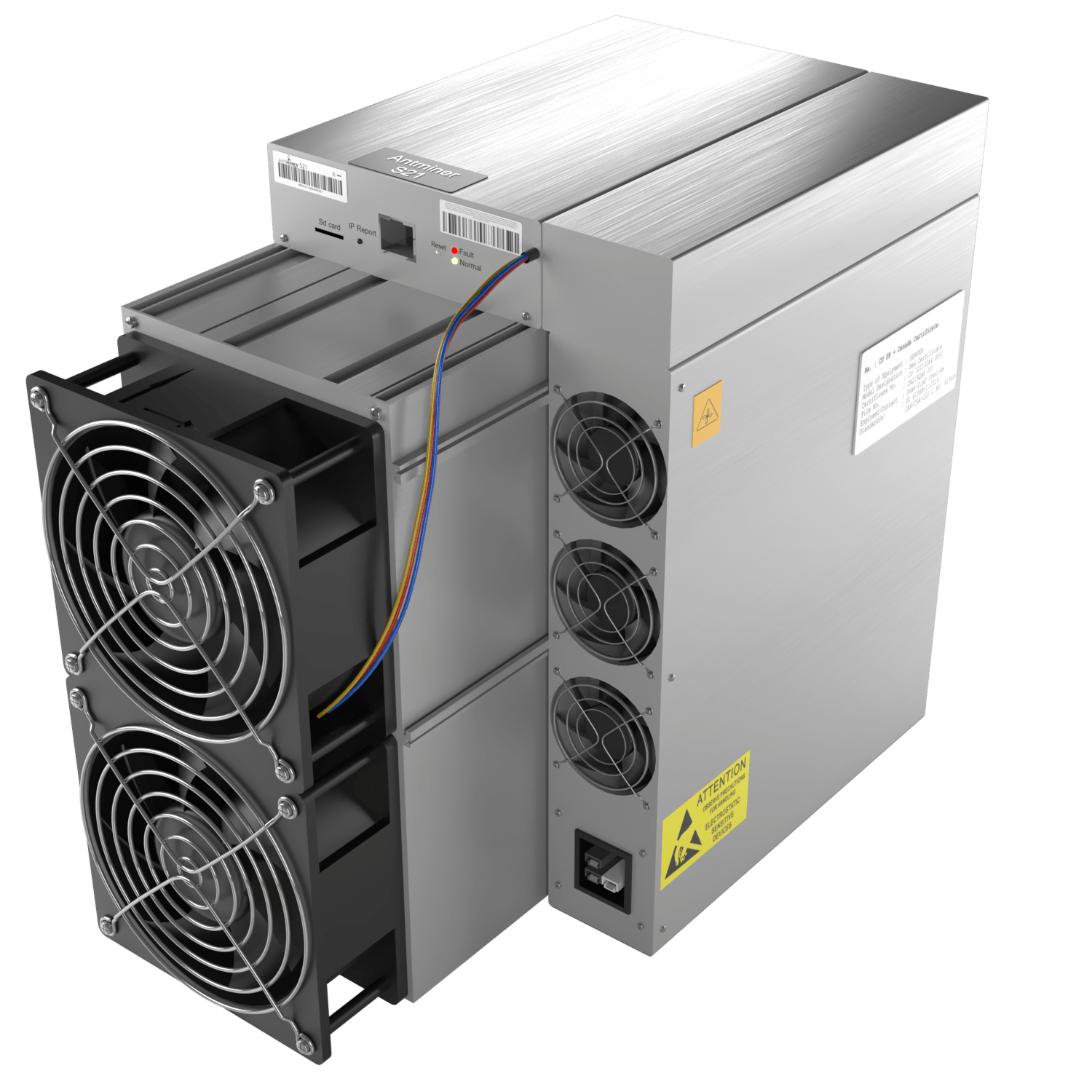
If a miner buys an Antminer S21 for $3,000 and it produces roughly 0.05 BTC per year (post-halving), the amortization of that machine is massive.
Many miners exclude this from their Cash Cost slides in investor presentations to look profitable. But if Bitcoin stays at $40,000, they cannot afford to replace their fleet when the machines die. They are generating cash today at the expense of their future existence.
SG&A (looking at listed companies)
Estimated Cost per BTC: $8,000 – $12,000
Running a publicly traded miner in Canada is expensive. While a lean, private operation might get this number down to $2,000, public entities like Bitfarms or Hut 8 carry significant corporate bloat.
This bucket includes:
Executive Compensation: Often excessive relative to the complexity of the business.
Compliance: Audit fees, legal retainers, and TSX/Nasdaq listing fees.
Insurance: D&O and property insurance for crypto facilities trade at a massive premium.
Site OPEX
Estimated Cost per BTC: $3,000 – $6,000
Cheap hydro is useless if you cannot keep the machines running. Even with Canada’s cold air advantage (free cooling), you cannot simply plug an ASIC into the wall.
Infrastructure: Massive ventilation systems (fans, curtains, filters) are required to manage heat density.
Staff: 24/7 on-site technicians are required to swap fans, reboot hashboards, and fix PSU failures.
Real Estate: If they don’t own the facility outright, rent and property taxes eat into margins.
Financial Costs (essentially debt servicing)
Estimated Cost per BTC: Variable (up to $5,000)
This is the differentiator between the compounders and the zombies.
Clean Balance Sheet: $0 cost. These miners raised equity to buy machines and have no interest drag.
Levered Miner: If a company took loans at 10-12% interest to buy rigs in 2024, this interest expense is a direct cash bleed that must be paid for every coin mined.
Institutional Takeaway
When you analyze a miner like Hive ($HIVE), ignore the direct cost of production metric found in their slide deck. That number is like the Substack follower count, pure vanity.
Instead, look at their Operating Cash Flow relative to the price of Bitcoin:
BTC < $26,000: The company is dying. The company is diluting shareholders (issuing shares) just to pay the electric bill.
BTC @ $30,000: The company is slowly becoming obsolete. They are cash flow positive, but they cannot afford to upgrade their fleet. They are slowly dying.
BTC > $50,000: Actual value creation. They cover their cash costs AND their depreciation, generating true shareholder value (accounting profit).
We are currently looking at miners that operate with the lowest survival rate ($26k or lower), ensuring not only survival when prices are volatile, instead we want them to make a profit regardless of the unit price even if they are growing slowly. Slow and steady wins the race.
Bitcoin (BTC) Price Floor
Even though private miners operate with leaner cost structures, effectively lowering their breakeven, the macro signal is unambiguous. Listed companies may carry millions in incremental administrative and regulatory burdens, but this variance does not materially alter the structural floor.
The network can sustain itself down to $30,000 before the hash rate capitulation begins.
At current prices, that would not be just a dip.
Do not mistake the current price for a structural floor, it’s really not.

If you found value in this analysis, please hit the ❤️ button and share your thoughts in the comments. It helps us bring institutional-grade research to a wider audience.
I don't understand the reasoning. What happens if miners stop mining? I understand that only new Bitcoins stop being generated, and therefore there's no inflation in Bitcoin's value. I don't understand why the price would be affected if miners stopped mining. Any ideas?
Perhaps it’s a bit out of scope here, but while some say it’s a distant concern, I believe the quantum threat is a real issue affecting bitcoin's value ,especially since Bitcoin is not easily updated by design.