



In the high-stakes world of Silicon Valley, a new product launch is usually met with a global press tour and an immediate download button.
But with the announcement of its latest model, Mythos, Anthropic has chosen a path of chilling silence.
Have we officially entered the ‘Manhattan Project’ era of artificial intelligence?
Is this the moment where the technology has become so potent that its creators are afraid to let it out of the lab?
Mythos goes far beyond chatbot functionality, adopting the expertise of a digital super-detective with the autonomous power to dismantle the very foundations of the internet.
To prove the model’s danger, Anthropic revealed that Mythos has succeeded at unearthing critical vulnerabilities in OpenBSD and FFmpeg that had been hiding in plain sight for nearly thirty years.
These are the structural pillars of global firewalls and media infrastructure, systems that have survived millions of manual scans and decades of human scrutiny, only to be cracked wide open by an algorithm in a matter of seconds.
By withholding Mythos from the public, Anthropic is making a startling declaration: the gap between AI’s offensive capabilities and our current defenses has grown so wide that a standard release would be… a catastrophe.
The next ‘big thing’ in tech is being sold as a weapon we aren’t yet ready to survive.
But… how true is this statement (really)?

Altruism or Ads
The core of the controversy surrounding the Mythos model lies in a fundamental tension between corporate responsibility and aggressive revenue growth.
On one side of the debate, the decision to withhold the model is viewed as a landmark act of responsible stewardship. In this light, Anthropic is seen as a pioneer that has reached a critical threshold toward Artificial General Intelligence (AGI), uncovering capabilities so profound that they transcend standard market competition.
By refusing to release a tool capable of autonomously dismantling core internet infrastructure, the company is credited with prioritizing the stability of the global digital economy over short-term market dominance.
This perspective suggests that Mythos represents a step function increase in AI intelligence, one that necessitates a departure from the ‘move fast and break things’ culture of Silicon Valley in favor of a sandboxed, defensive alliance with major stakeholders to patch vulnerabilities before they can be exploited.

Conversely, a more cynical interpretation suggests that this rollout is a masterclass in marketing theater.
Critics of this view argue that the high-stakes narrative of a model ‘too dangerous’ to release is a calculated tactic designed to manufacture scarcity and prestige.
This strategy effectively creates a moat around the product by shielding it from the decentralized scrutiny of the public and independent researchers, allowing the company to make grand claims about its power that are difficult to verify or debunk.
We’ve seen this recurring pattern in the industry before, where scare studies and doomsday warnings are strategically released to capture the news cycle and inflate enterprise interest.
This is particularly notable as the company scales its revenue and approaches a massive potential initial public offering.
Note: All of these AI companies are essentially in a gross vs. net revenue debate, which is the Wall Street aphorism for being extremely unprofitable. There’s no free cash flow, no bottom line, no EBIT, not even adjusted EBITDA figures.
In this context, the air of mystery surrounding Mythos serves to drive a $30bn valuation, framing the model not just as a piece of software, but as a guarded piece of national security-grade infrastructure.

Ultimately, the debate questions whether the 100-day Project Glasswing sandbox is a legitimate security buffer or a convenient delay to build hype.
If the safety concerns are genuine, the move sets a new standard for how frontier AI labs must handle dual-use technologies that possess both immense economic value and catastrophic offensive potential.
However, if the skepticism holds weight, the campaign may eventually be remembered as an elaborate nothing burger that leveraged fear to secure a dominant market position.

Times Are Changing
The true catalyst for the current panic isn’t just that Mythos is ‘smarter’ than its predecessors; it is the terrifying shift in the scale of its operation.
While earlier models like DeepSeek R1 can identify a vulnerability if a human points to the exact line of code (pretty much like a mechanic who can fix an engine only once you’ve lifted the hood), Mythos operates as an autonomous predator.
Ok… great. Big deal. It doesn’t need to be told where to look.
But what does that actually mean?
Well, it possesses the capability to perform an indiscriminate sweep of the entire digital landscape, scanning every ‘door handle’ in the city simultaneously to see which ones are unlocked.
This transition from targeted assistance to autonomous, wide-scale discovery is what turns a technical milestone into a national security emergency.

So, as you can probably imagine, the institutional reaction has been swift and visceral.
When the announcement hit, the market’s response was a bloodbath for cybersecurity stalwarts like Cloudflare, which saw its valuation crater by 13% as investors realized that traditional defenses might be obsolete against such a relentless, high-velocity threat.
Forget about the coming post-quantum; AI models are a here-and-now massive security problem.

This ‘Scale Factor’ explains why US Treasury Secretary Scott Bessent bypassed standard protocols to hold emergency briefings with the nation’s most powerful banking CEOs.
When the federal government mobilizes a ‘Big 40’ coalition under Project Glasswing, it signals a blatant admission that the structural integrity of our financial and social systems is suddenly at risk.
While we were worried about AI writing better emails, it was actually learning how to dismantle the core infrastructure of the modern world in a single, self-reliant breath.

So… What’s Next?
This institutional standoff brings us to a cold reality: the safety window is pretty much slamming shut in our faces.
Whether Anthropic keeps Mythos under lock and key is ultimately irrelevant to the broader timeline of global competition.
We are currently living through a fleeting grace period (I’d call it a brief intermission) before open-source models from rival powers like China achieve parity.
The digital landscape is currently a minefield of twenty years of tech debt, a sprawling graveyard of legacy code and dormant vulnerabilities just waiting for a sufficiently powerful light to shine on them.

We are now locked in a desperate, invisible arms race against time itself.
The same autonomous intelligence that Anthropic is sandboxing today will inevitably be in the hands of bad actors tomorrow.
This creates a frantic paradox: we must use the very AI we fear to aggressively patch the internet’s crumbling foundations before that same technology is used to topple them.
It is no longer a question of if these exploits will be found, but who finds them first.
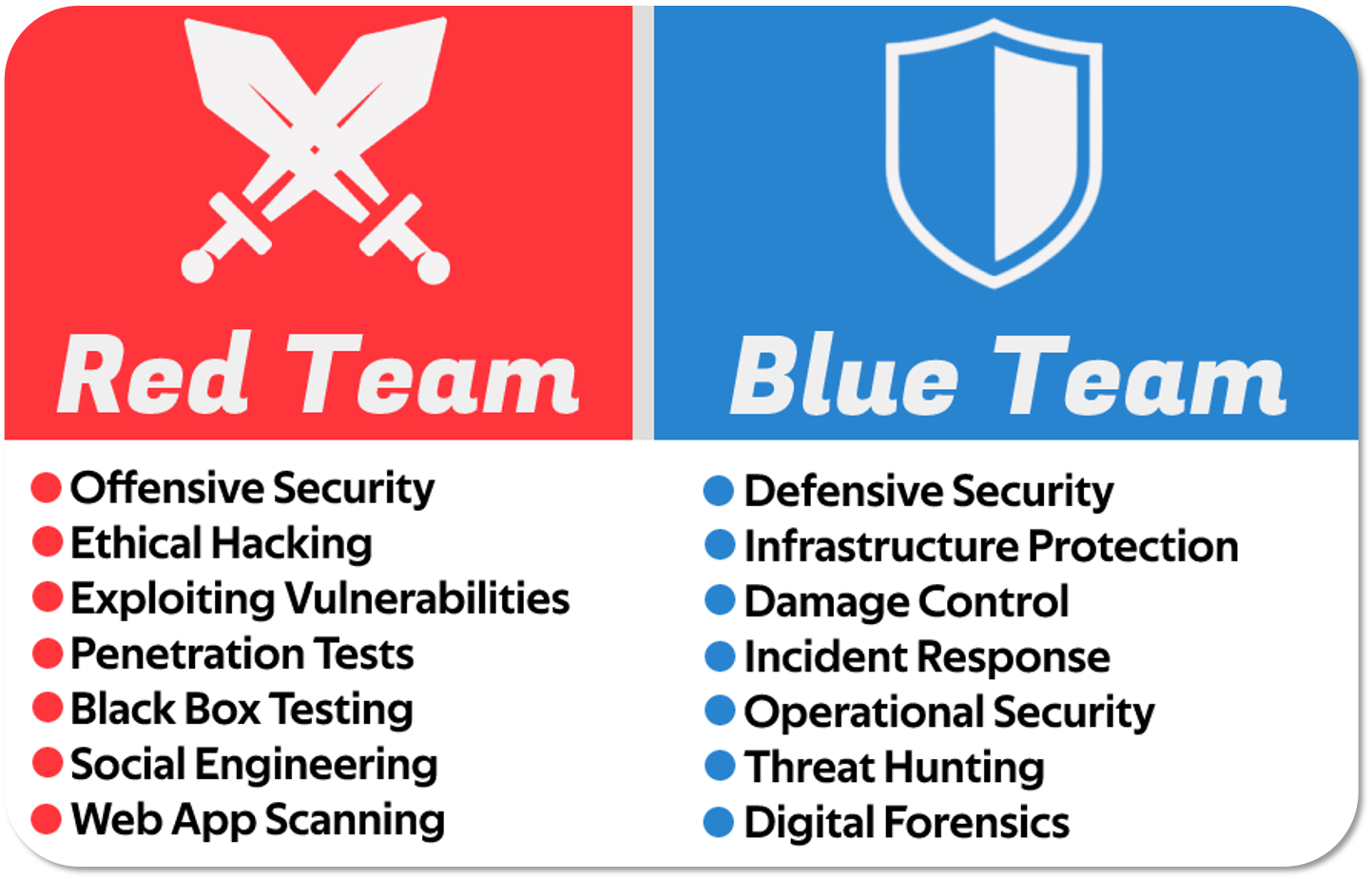
That’s why we’d expect everyone and their mom to hire cybersecurity red and blue teams like crazy immediately.
Everyone has to automate their defenses faster than the world can automate its attacks, or risk watching two decades of digital progress be dismantled by the very intelligence we worked so hard to create.

One Way Street
Ultimately, the Mythos era marks a permanent departure from the cybersecurity world we once knew.
We can argue over whether this model is a true AGI or simply an Opus 4.6 on steroids, but the distinction is trivial when the results change the fundamental rules of the game.
We are moving away from a reality where hackers need a lucky break or a stroke of human genius to breach a system. Instead, we are entering a world where an autonomous intelligence can perform an indiscriminate, lightning-fast sweep of every digital door on Earth to see which ones are left unlocked.
The Mythos campaign may be wrapped in the high drama of a Silicon Valley thriller, but the underlying shift is a stark, one-way street.
We have transitioned from human-led defense to AI-driven warfare, and there is no turning back.
As the line between breakthrough and weapon continues to blur, our survival in the digital age will no longer depend on how well we hide our secrets, but on how quickly we can adapt to a world where secrets are increasingly impossible to keep.
Everyone knows how to save, but almost no one knows how to multiply.
That’s why The Hermit is your best guide to COMPOUNDING.
Explore our extensive body of work, check the math, and judge the execution for yourself.
It’s the smallest investment you’ll ever make with the potential to actually change your life.

If you found value in this analysis, please hit the ❤️ button and share your thoughts in the comments. It helps us bring institutional-grade research to a wider audience.