


We recently upgraded our domain. To make sure you don't miss upcoming analyses, please move this email from Promotions to Primary (or reply with a quick 'received').
This piece is brought to you by Baseline.
More on them in a moment.
For everyone in our chat, you already know what’s up.
We’ve been covering this company for a long time (since 2021).
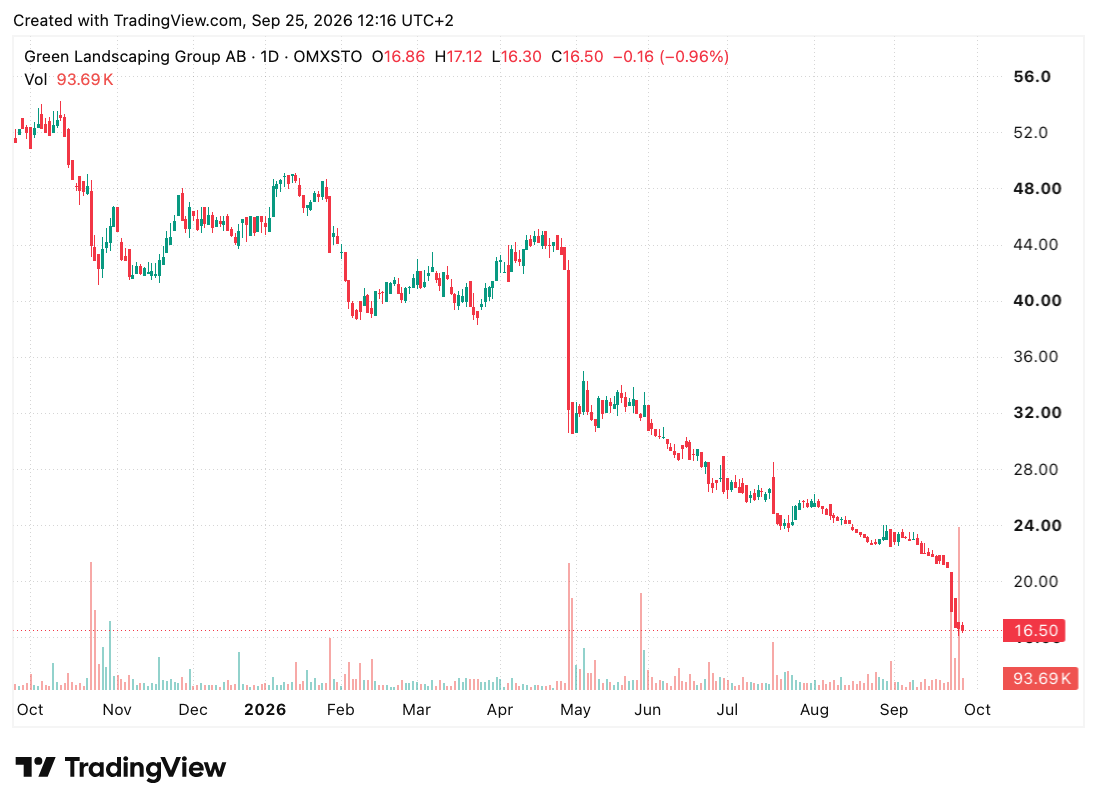
It used to be priced for perfection, and now it’s trending toward being priced for obliteration. Neither extreme reflects reality.
While a sudden collapse is almost impossible, the company is heading to a slow bleed of it’s serial compounding machinery that can be easily resolved with some good decision making and a unified focus on deleveraging.
We think there’s light at the end of this tunnel, and the investment case grows stronger by the day as the valuation continues to de-risk the entire thesis.
As we now do every week for transparency, here is our list of past Pick of the Week posts and their returns since publishing:
All picks (equally weighted): +14.91%
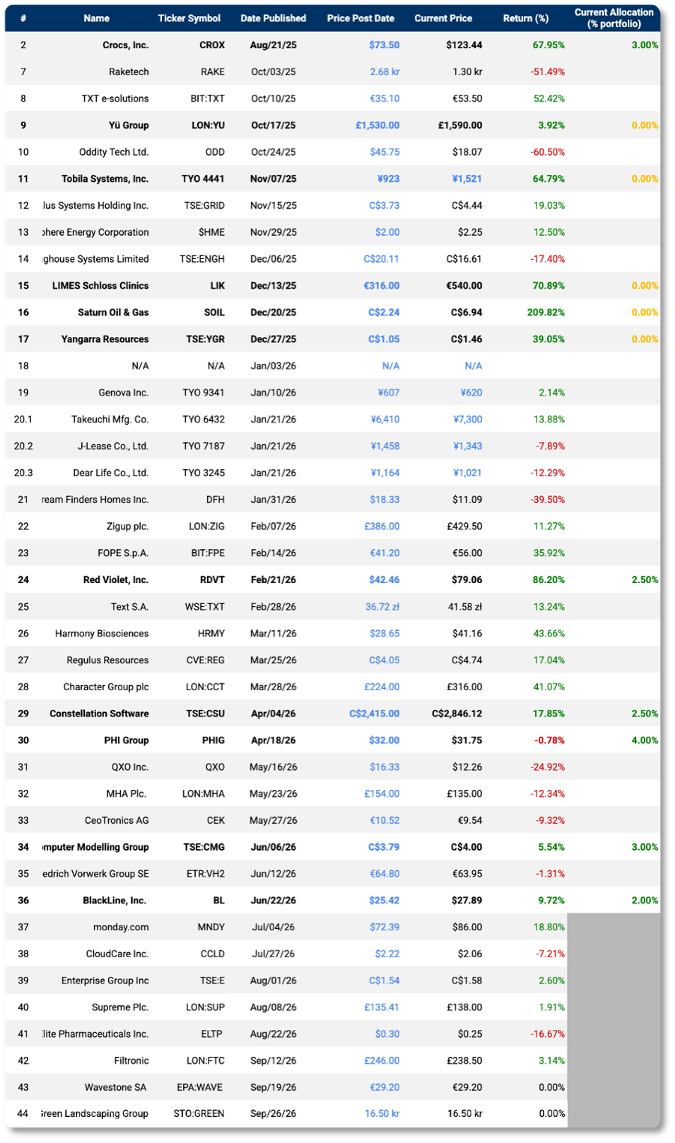
To keep things clear and easy to follow, we’ve slightly adjusted the formatting.
Companies we purchased are in bold.
We’ve replaced "Allocation" with Current Allocation to show the approx weight of each position as a percentage of our total assets today.
As a reminder, companies that we don’t hold that were discussed over a year ago are removed from the list and excluded from our average performance. In this update, we removed Portillo’s (-40%) and Tobila (+40%), which roughly cancel each other out. We still own CROX.
Overall, the priority is maintaining a clean LTM track record as we’re only as good as our last pick.

Pick of the Week. A curated series of high-conviction research on companies currently under our microscope. We screen for specific dislocations where the market has mispriced the balance sheet or earnings power (or both).
None of the following should be construed as investment advice. Please consult a financial advisor before making any investment decision. You will find a full disclaimer at the end of this post.

🌿 Green Landscaping Group AB ($GREEN)
⭐ Overall Grade: 8.0 / 10
As its name states, this is a landscaping company; more precisely, it operates as a decentralized Stockholm-based HQ for 59 companies dedicated to outdoor environment services, grounds maintenance, and green infrastructure across Sweden, Norway, Germany, Finland, Lithuania, and Switzerland.
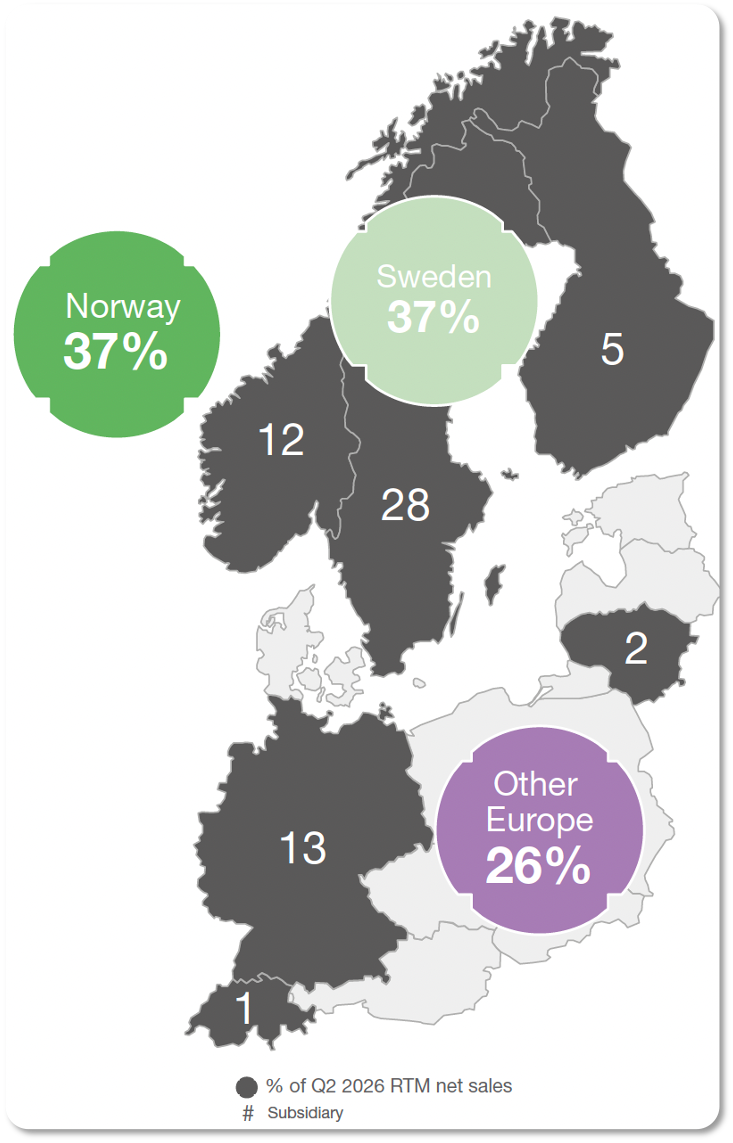
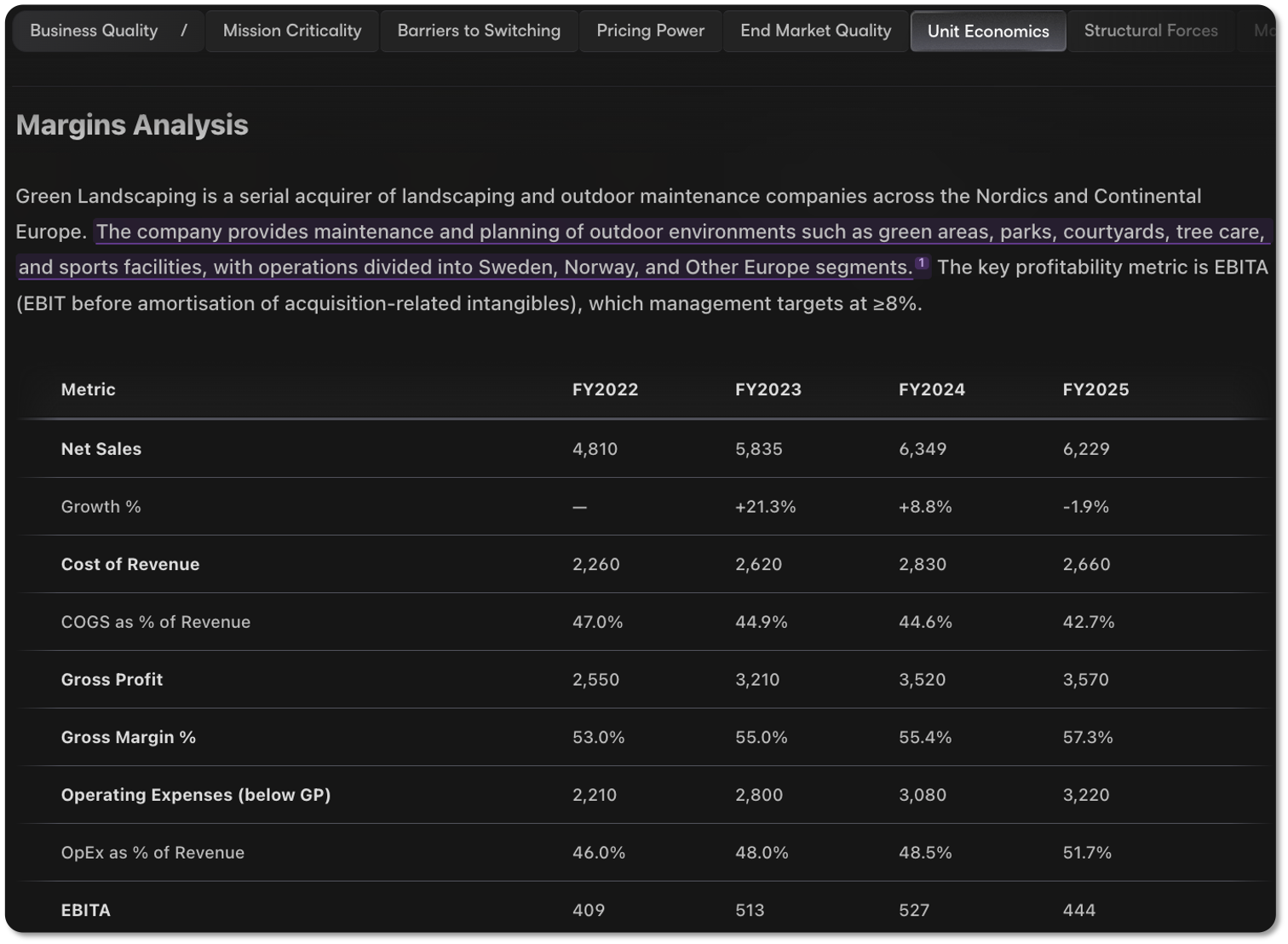
Note: Green Landscaping reports profitability using EBITA, whereas we generally prefer standard EBIT.
In practice, the difference between the two is small, it just comes down to non-cash amortization from past acquisitions.
Relying on EBITDA, however, would be deeply misleading. Physical machinery and fleet equipment are the lifeblood of this business, and because these assets wear out quickly in the field, depreciation represents a very real and unavoidable cost of keeping everything running.
Service Lines & Revenue Breakdown
The business is a mixed bag of recurring and seasonal jobs awarded via procurement processes that combine low-cost labor and very manual work:
Grounds Maintenance (Recurring): Lawn mowing, pruning, arboriculture, seasonal plantings, and facility perimeter care.
Winter Services (Seasonal): Snow clearing, gritting, salting, and ice removal for municipalities and commercial centers.
Hard Landscaping & Green Space Construction (Project-Based): Urban park development, civil stone paving, retaining walls, drainage systems, and green roof installations.
Around 60% of group revenue originates from the public sector (municipal councils, state agencies, public housing authorities, regional transit hubs), while the remaining 40% comes from private real estate managers, corporate facilities, and general contractors.
Grounds maintenance contracts are typically multi-year framework agreements running 3 to 5 years, often carrying extension options (up to 8 years) that push customer relationships well past a decade.
This creates a stable base of predictable cash flows, but it can also lead to painful multi-year opportunity costs when contracts are lost.
In practice, this dynamic tends to produce binary outcomes:
On the one hand, operators in smaller municipalities often enjoy quasi-monopoly status with high margins, though this eventually draws the eye of neighboring competitors.
On the other hand, larger or growing municipalities attract aggressive, low-cost bidders. Price wars ensue, compressing margins until unsustainable operators are eliminated from the market.
Over time, these procurement dynamics move in distinct cycles.
Decentralized M&A Playbook & Track Record
The company is built on a classic Nordic serial-acquirer model, tailored specifically for small, founder-led regional contractors.
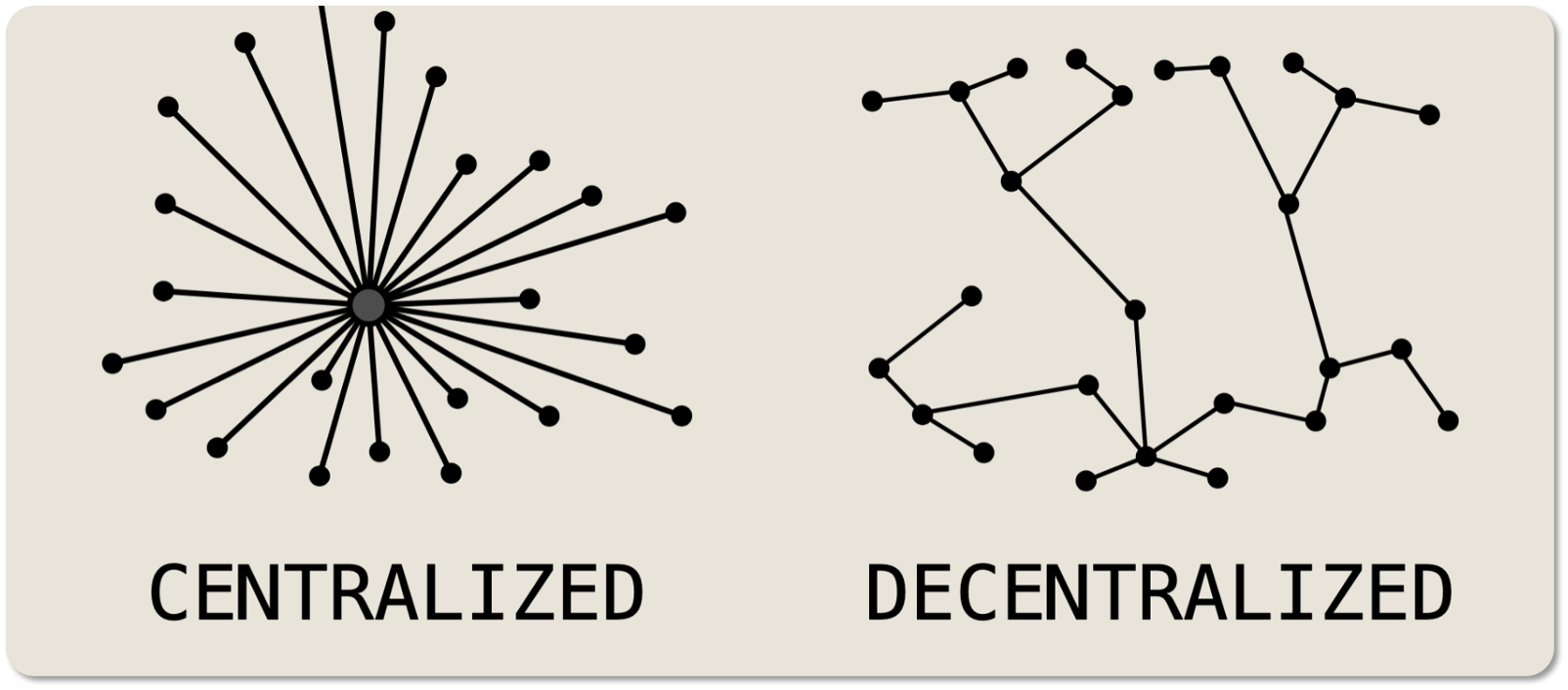
We’ve seen this play out successfully with a few other Swedish companies:
Fasadgruppen Group: Building facades, masonry, exterior insulation, roofing, and window replacement.
AddLife: Life sciences, laboratory equipment, diagnostics, and medtech. Spun off from Addtech in 2016.
Sdiptech: Critical infrastructure and urban environmental technology.
Instalco: Technical installation services (electrical, heating & plumbing, ventilation/HVAC, and industrial piping).
Beijer Ref: Commercial & industrial refrigeration, HVAC, and heat pumps.
Nederman: Industrial air filtration and environmental clean-air technology.
VBG Group: Specialized commercial vehicle components and industrial power transmission.
Teqnion: Niche B2B industrial products (specialized logistics equipment, safety illumination, surgical components, lab machinery).
Cary Group: Vehicle glass repair, calibration (ADAS), and replacement.
Addnode Group: VMS, CAD/BIM tools, and digital engineering platforms.
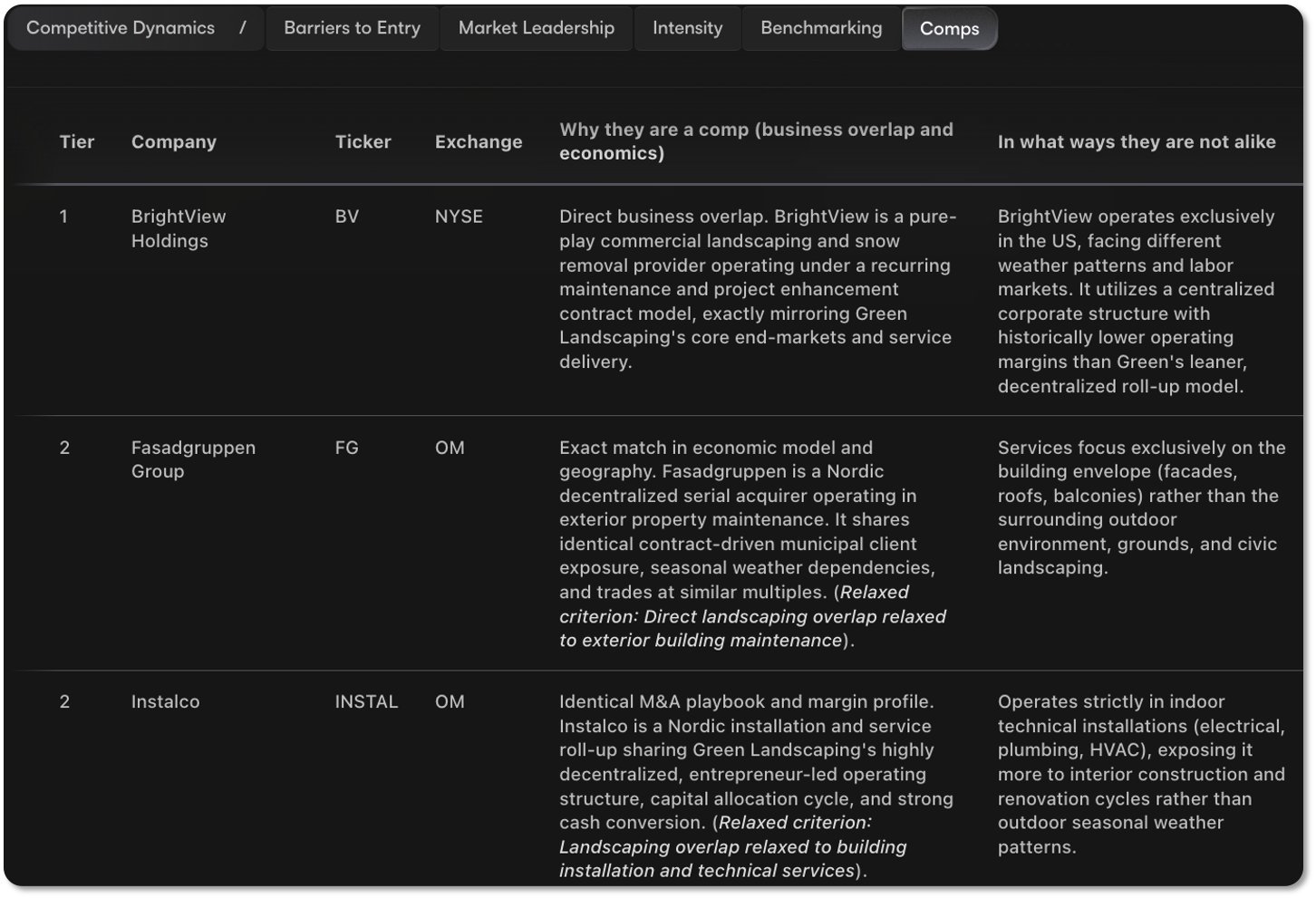
Back to Green Landscaping, they acquire subsidiaries that keep their local branding, customer relationships, equipment yards, and day-to-day management teams. More than 99% of group staff are employed directly at the operating subsidiary level rather than at corporate headquarters.
Context: If numbers on employees seem a little off is becasue they are. Beyond their 2,500+ mostly fixed staff they hire heaps of seasonal workers locally from April/May through October to handle all the labor-intensive work.
Management targets profitable, niche market leaders generating roughly SEK 50m ($5m) to SEK 250m ($25m) in sales with sustainable EBIT margins of 8%–10%.
Management used to publish a count of how many subsidiaries were in approximate EBIT margin ranges (in 5%-ish intervals), which was very helpful.
Note that management has also purchased subpar operations that can be pushed towards that 8% EBIT hurdle with a few tweaks.
Historically, deals are completed at disciplined multiples of 4.5x to 6.5x EV/EBIT. A substantial portion of the transaction consideration (often 20% to 40%) is structured as multi-year earn-outs (contingent considerations) linked directly to operating cash flow and EBIT hurdles.
This structure aligns the original founder’s financial incentives with the holding group and mitigates upfront cash outflows.
Over the past five years, the group scaled net sales from SEK 3,139M in 2021 to a rolling twelve-month run-rate of SEK 6,632m as of Q2 2026.
However, rapid balance sheet expansion pushed leverage up to 3.4x pro-forma EBITDA (above the 2.5x internal ceiling), forcing management to pull back their acquisition pace in 2026 and focus entirely on deleveraging.
Pricing Dynamics & Economic Moat
Green Landscaping does not possess IP or patented technology… in general, the contracts they work on are price- and relationship-based bids that usually go to the person who can best do the job for the lowest price tag.
Let’s break down a few of their other advantages.
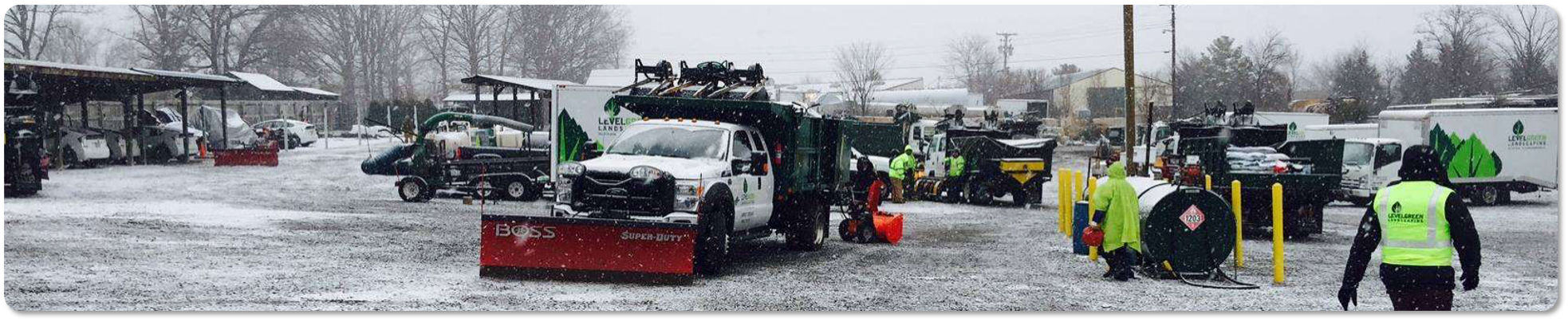
Grounds maintenance and snow plowing are route-density businesses. The subsidiary with the greatest concentration of nearby parks, housing complexes, and roadways incurs lower non-billable drive times and lower equipment transportation costs per job.
Bidding on municipal tenders in Northern and Central Europe requires ISO certifications, environmental compliance credentials, labor union registrations, and substantial financial bonding. Independent “mom-and-pop” operators are locked out of the largest regional contracts, leaving Green Landscaping to bid against a limited field of mid-sized contractors.

Local subsidiaries retain decades-long relationships with municipal purchasing officers, yet gain central group advantages: group-wide fuel discounts, preferred fleet leasing terms, insurance procurement, and back-office IT infrastructure.
How can Baseline make your life easier?
As you know, we’ve partnered with Baseline to get you a simple and easy way to test for all of these.
Baseline helps you screen for and analyze companies, identifying potential issues from the very first pass.
It aggregates information on where the company is going and what the key risks are in terms of business quality, competitive advantages, and AI.
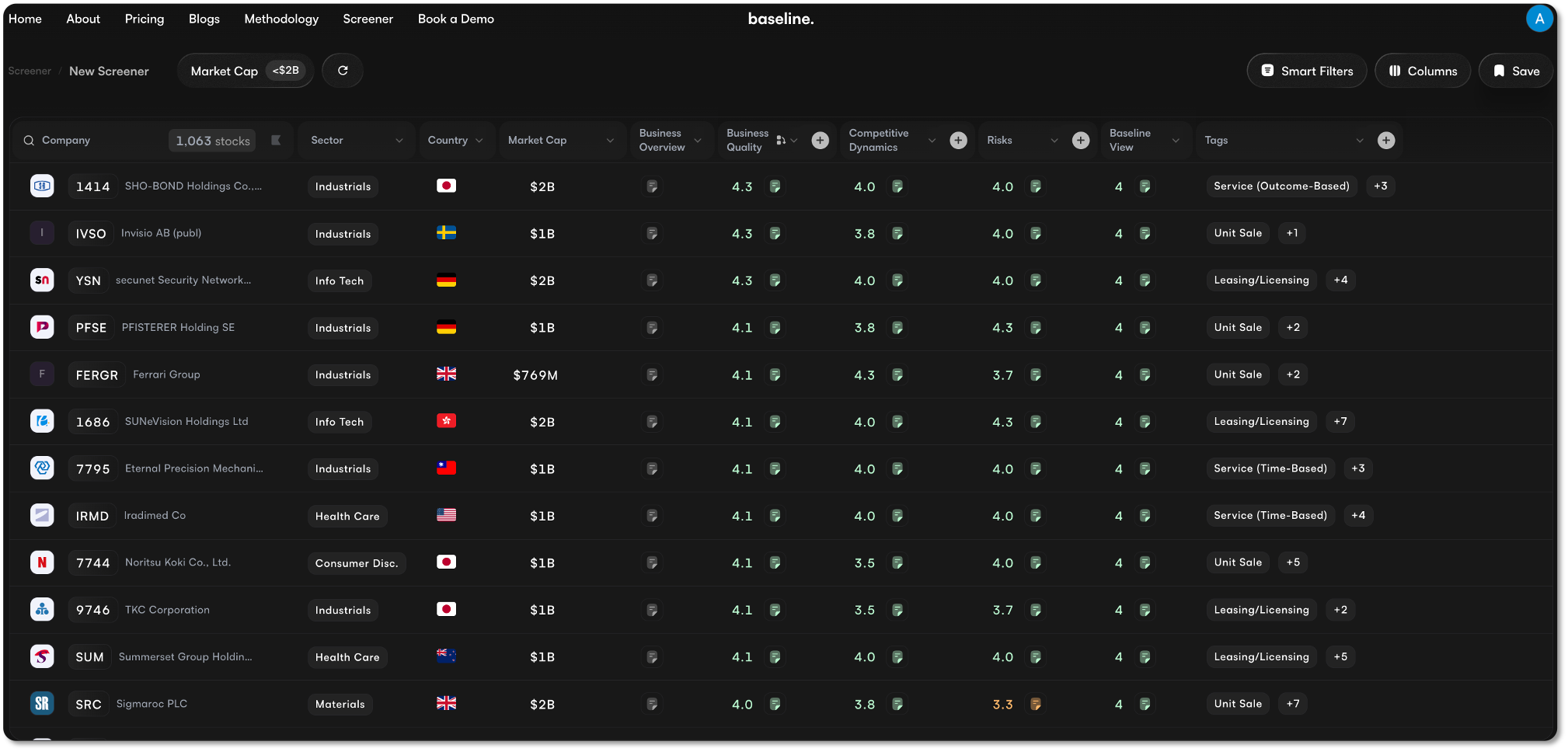
Of course, none of this supersedes a much deeper analysis that you must conduct before making a decision with adequate conviction, and we think the best way of doing that is by performing a full scuttlebutt rundown.
Baseline, however, accelerates the process of discarding companies, which saves you time and allows you to focus more on what’s important.
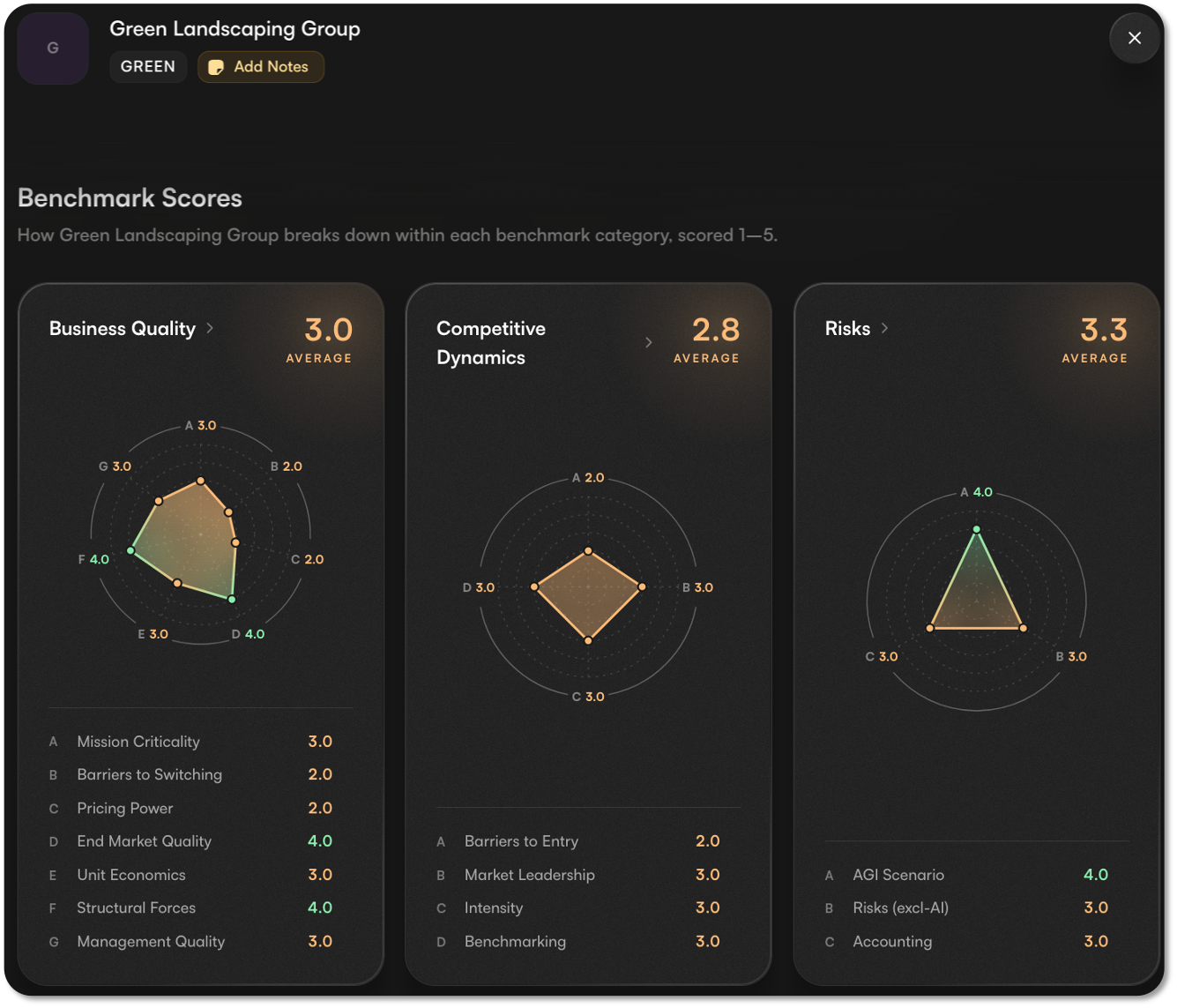
You don’t have to take our word for it, here’s the report for a few companies we love and hold so you can see first hand what we’re talking about:

🎯 Catalysts: Why Now?
There’s a bit of everything, but we will focus on imbalances between regions, balance sheet leverage, and a leadership transition.
Here are some catalysts that could prompt a market re-rating:
Resolution of the Norwegian Drag
While Sweden has returned to organic growth and the Continental European unit (Germany, Lithuania, Switzerland) continues to print operating margins between 15% and 22%, Norway has dragged down group earnings (reporting negative EBIT in Q1 and just a 4.1% margin in Q2).
The primary internal catalyst is the restructuring underway by new regional leadership, cleaning out legacy fixed-price contracts that lacked inflation indexation, standardizing operational controls, and aligning project bidding discipline with group standards.
Deleveraging Toward the 2.5x Target
Group net debt sits at SEK 2,859m including earn-outs, leases, and minority interests.
Management has paused aggressive M&A to let working capital and operating cash flow pay down bank credit facilities.
As leverage drops below 3.0x on its way toward the 2.5x target, financial risk diminishes, reducing the cost of debt and freeing up capital to resume acquisitions.
There is a denominator issue here, though, as less efficient operations (lower EBIT) will increase the ratio. So they want to at least maintain their capex and operations as is.
New CEO Appointment & Governance Upgrades
Following Johan Nordström’s departure after 11 years as CEO, the board appointed Clein Johansson Ullenvik as interim CEO while a permanent search is underway.
A permanent CEO with an operational integration background who can institutionalize financial controls across autonomous subsidiaries without destroying their entrepreneurial spirit could restore investor confidence.
We are aiming for decentralized (and no dividends).
Contract Indexation & Inflation Pass-Through
Public contracts signed during past inflationary spikes are systematically resetting or expiring into renegotiations with municipal inflation-adjustment clauses.
In Lithuania, recent contract extensions were renewed at margins higher than segment averages, demonstrating that long-term contract pricing is catching up with wage and equipment costs.
💰 What’s It Worth?
Green Landscaping has built up a sizable debt load to fund its acquisition strategy, which heavily shapes what the business is actually worth to shareholders.
Right now, the company owes about SEK 3.33bn across bank credit facilities, corporate bonds, vehicle and equipment leases, and future earn-out payments owed to the entrepreneurs they bought businesses from.
Because they carry elevated leverage, their lenders charge higher interest rates, putting their borrowing cost before taxes at around 6.2%.
However, interest payments reduce taxable income; factoring in Sweden’s 20.6% corporate tax rate brings their true out-of-pocket borrowing cost down to 4.92%.
We’ll be using a 9.0% (total) cost of capital and assuming the business grows at a steady 2.0% each year into perpetuity.
Please note that with the assumed data, the appropriate cost of capital should be ~7.5%, but we choose to be overly conservative just in case.
Base Case [SEK 41.59] (152% Upside)
To value the core operating machine, we look at the actual cash it produces each year before paying off lenders.
Starting from roughly SEK 6.7bn in annual revenue and working toward normalized profit margins around 6.5%, the business is projected to generate between SEK 266m and SEK 405m in clean FCF each year between 2026 and 2030 after funding mandatory lease payments, machinery upgrades, and daily operations.
The combined present value of these future cash flows values the entire operating enterprise at roughly SEK 5.21bn.
From this SEK 5.21bn pie, the debt holders must be settled first.
After taking out the roughly SEK 2.86bn in net financial debt, lease balances, and earn-out commitments (offset by their cash on hand), what remains for common equity holders is SEK 2.35bn.
Spread across their 56.46m outstanding shares, this yields an intrinsic fair value of SEK 41.59 per share.
Bear Case [SEK 6.40]
In a realistic bear case, Green Landscaping pauses all acquisitions to focus entirely on paying down debt, leaving top-line revenue to drift higher at just 1.5% to 2.0% annually purely through basic contract price indexing.
Rather than rebounding toward historical highs above 6.5%, operating margins remain pinned near current levels around 5.0% as intense bidding competition in Sweden and persistent operational friction in Norway prevent meaningful profitability gains.
This steady-state profile still generates reliable cash flow from recurring municipal upkeep contracts, delivering roughly SEK 270m to SEK 285m in unlevered free cash flow each year between 2026 and 2030 after funding maintenance equipment needs and mandatory fleet lease repayments.
Even though we have preliminary pessimistic income statement assumptions, we have to change out our WACC slightly, as their borrowing costs will stay higher for longer with credit facilities and senior bonds rolling over.
A 10.0% WACC would be an appropriate rate together with a 1.5% long-term terminal growth rate.
This combination values the operating enterprise at approximately SEK 3.22bn.
With this, senior claims take nearly the entire pie: after subtracting SEK 2.86bn in net bank debt, bond obligations, lease liabilities, and earn-out commitments (offset by cash on hand), only SEK 361m in residual equity value remains for common shareholders.
Spread across 56.46m shares, this bear scenario provides us with an intrinsic fair value of SEK 6.40 per share.
Note that there is even a worst-case scenario whereby debt rollovers become unsustainable, and the Equity Value is completely absorbed by their net debt, meaning the price per share could reach SEK 0.
To avoid this doomsday scenario, we must see operating margins reaching roughly 5.5% or borrowing costs dropping as leverage recedes. If either of these is true, we can discard total loss.
This, in our take, is what is being discounted by the market.
If we do the math, approximately 82% of the market is stuck in either a bear (56%) or zero-value (24%) scenario given its current pricing.
Overall Take
As we said at the beginning, people are discounting the worst possible scenario for this company, but things are never really so extreme in normal conditions.
We are still conducting interviews mainly to validate our ideas on pricing power, but this company looks like a pretty decent candidate to us.
The only thing we don’t like is debt, which effectively creates friction or stops their ability to continue compounding inorganically, but we strongly think that once that is worked out, which may take about 1 year, this company still has a role to play in the Northern EU groundskeeping business.
At least we’re confident AI won’t take those jobs away; at least that’s what Baseline says, especially if you try it out using code HERMIT for that sweet 20% off.