


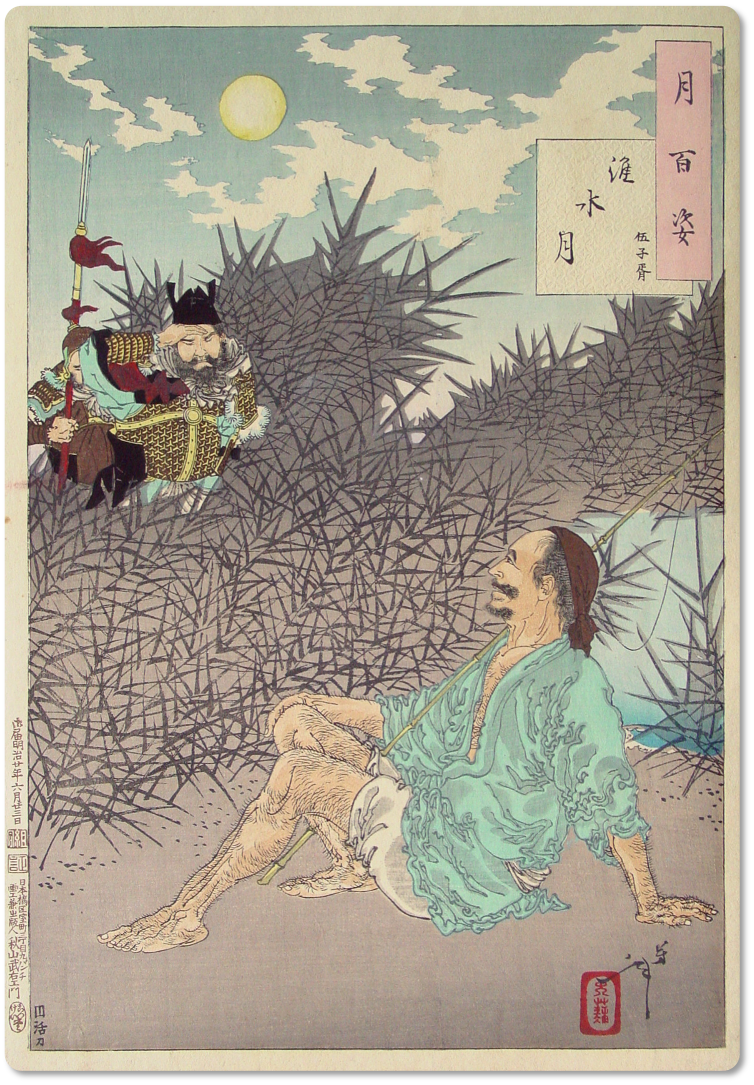
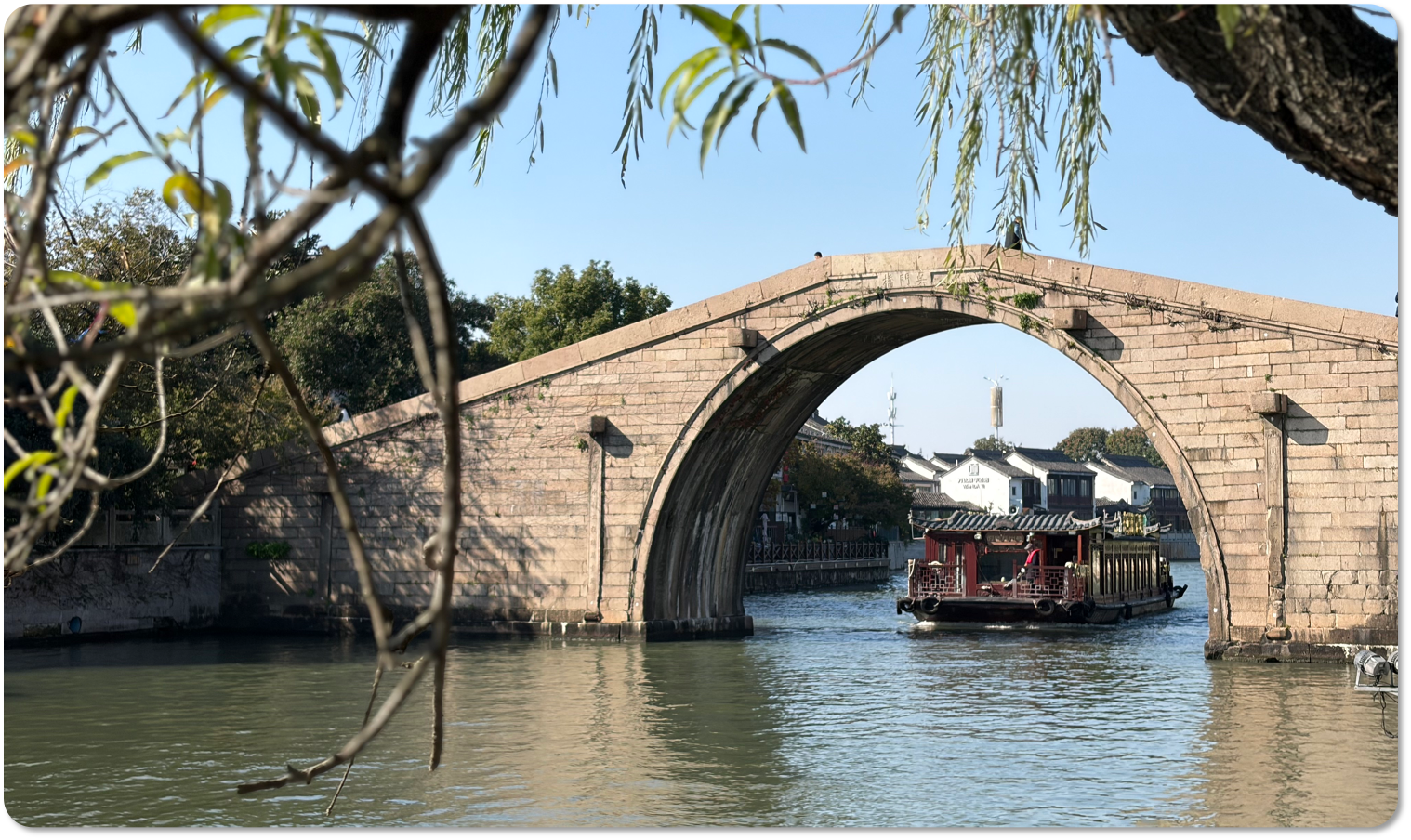
Around 522 BC, a paranoid king in the State of Chu framed and executed Wu Zixu’s father. Wu Zixu (pronounced Woo Dzuh-shoo) fled for his life toward the rival State of Wu (modern-day Suzhou).
According to legend, the stress of dodging border guards turned his entire head of hair snow-white overnight… which conveniently disguised him as an old man and let him slip right through.
Once in Wu, he helped Prince Helü take the throne, engineered the walled, canal-laced capital of Suzhou, and eventually marched back to Chu to get his revenge (going so far as to dig up the dead king’s corpse and whip it 300 times).
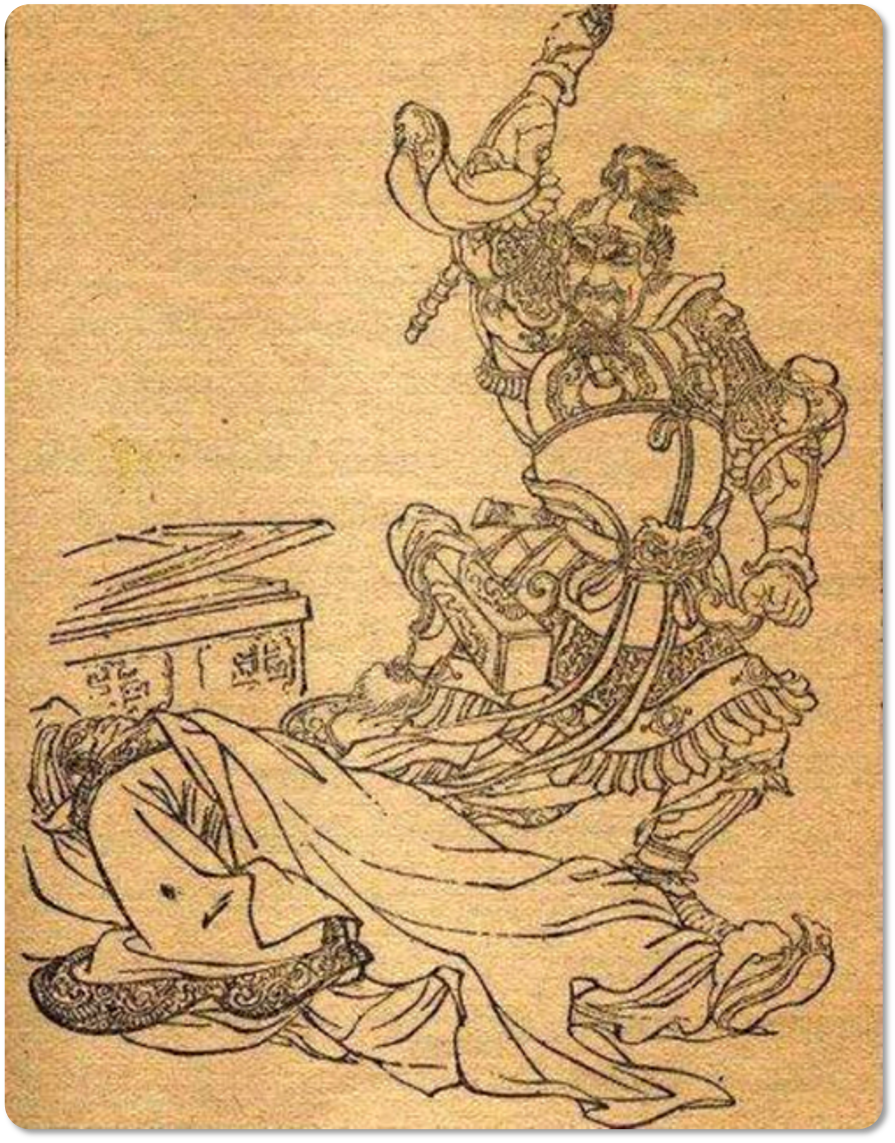
Everything went sideways when a new, arrogant young king, Fuchai, took over.
After Wu helped Fuchai crush the neighboring State of Yue, Wu begged him to finish the job: “Destroy them now, or they will destroy us.” Instead, Fuchai fell for Yue’s fake submission, bribes, and distractions, and got so sick of Wu Zixu’s constant warnings that he ordered him to commit suicide.
Before taking his own life, Wu Zixu delivered the ultimate parting shot:
“Pluck out my eyes and hang them on the East Gate of Suzhou, so I can watch Yue’s army march in and wipe us out.”
Ten years later, Yue invaded and obliterated the kingdom.
Before killing himself in disgrace, Fuchai covered his face because he couldn’t bear to look Wu Zixu in the eye in the afterlife.
Today, Suzhou’s ancient Panmen water gate still stands as a monument to the guy who built the city, saw the long-term threat coming, and got the last laugh from beyond the grave.


You’ve got to love these ancient myths and legends.
They all come down to understanding the roots of local culture and how they shape today’s view of the world.
And, on that note, let me pose a few open questions:
Is China the next big thing, or has it already arrived?
Is it really the authoritarian doom-world we see on the news?
Should we be afraid of it?
Why do their elites seem so absurdly competent… and more importantly, what can we actually learn from them?
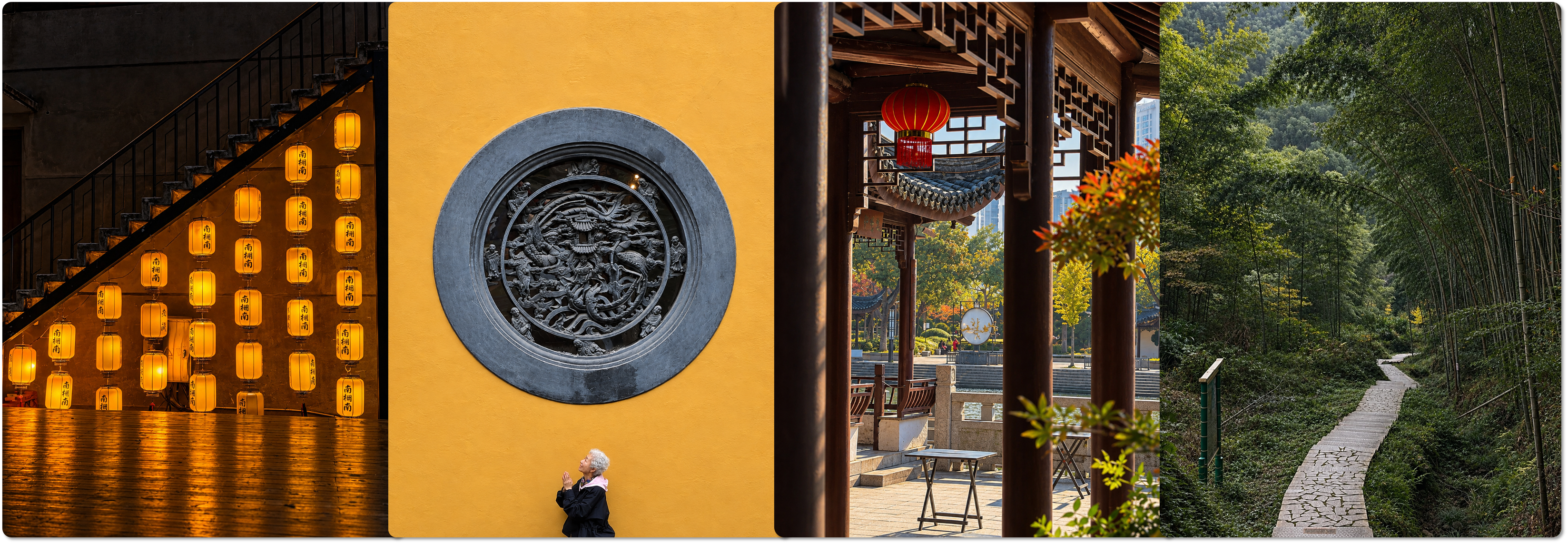
We just got back from our second trip to China, and every time we return, we feel strangely renewed. Not “I just spent two weeks at a yoga retreat” renewed, though the tea certainly helps… renewed in our ideas, our energy, and our baseline (not sponsored) perception of how the world works.
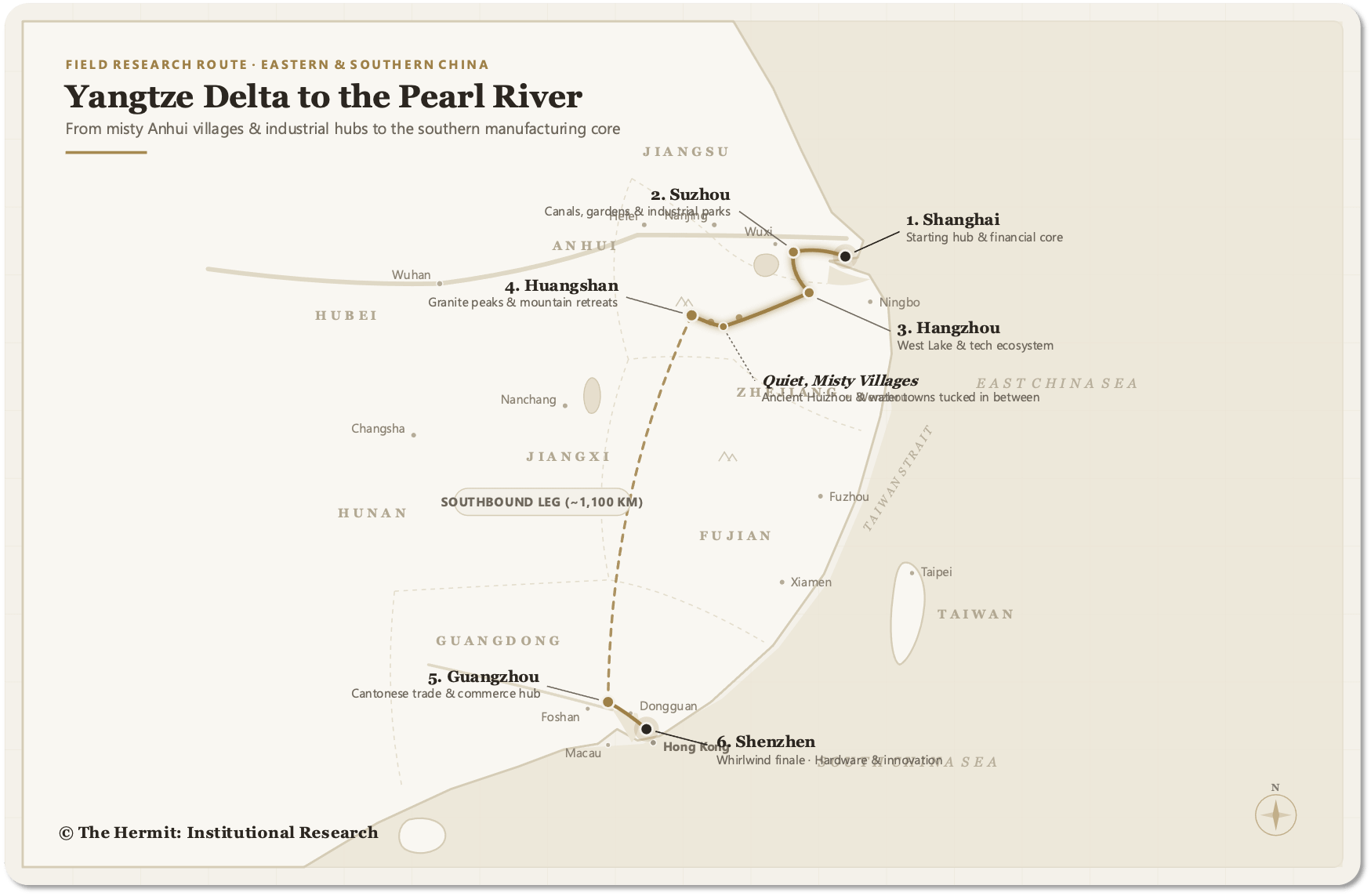
Over the past few weeks, we bounced around Shanghai, Suzhou, Hangzhou, Huangshan, and a handful of quiet, misty villages tucked in between, before wrapping up with a whirlwind stop in Guangzhou and Shenzhen.
Going east has a funny way of stretching your perspective on life. Slowly but surely, it redefines what you consider “normal.”
And if there is one thing that hits you right between the eyes the moment you step off the plane, it’s their ability to…

Field Notes. From the Yangtze to the Pearl River
We’ve summed it all up into ten lessons from our trip to the East. We’ll dive into them in a second, but first, we wanted to share an extraordinarily powerful image with you.
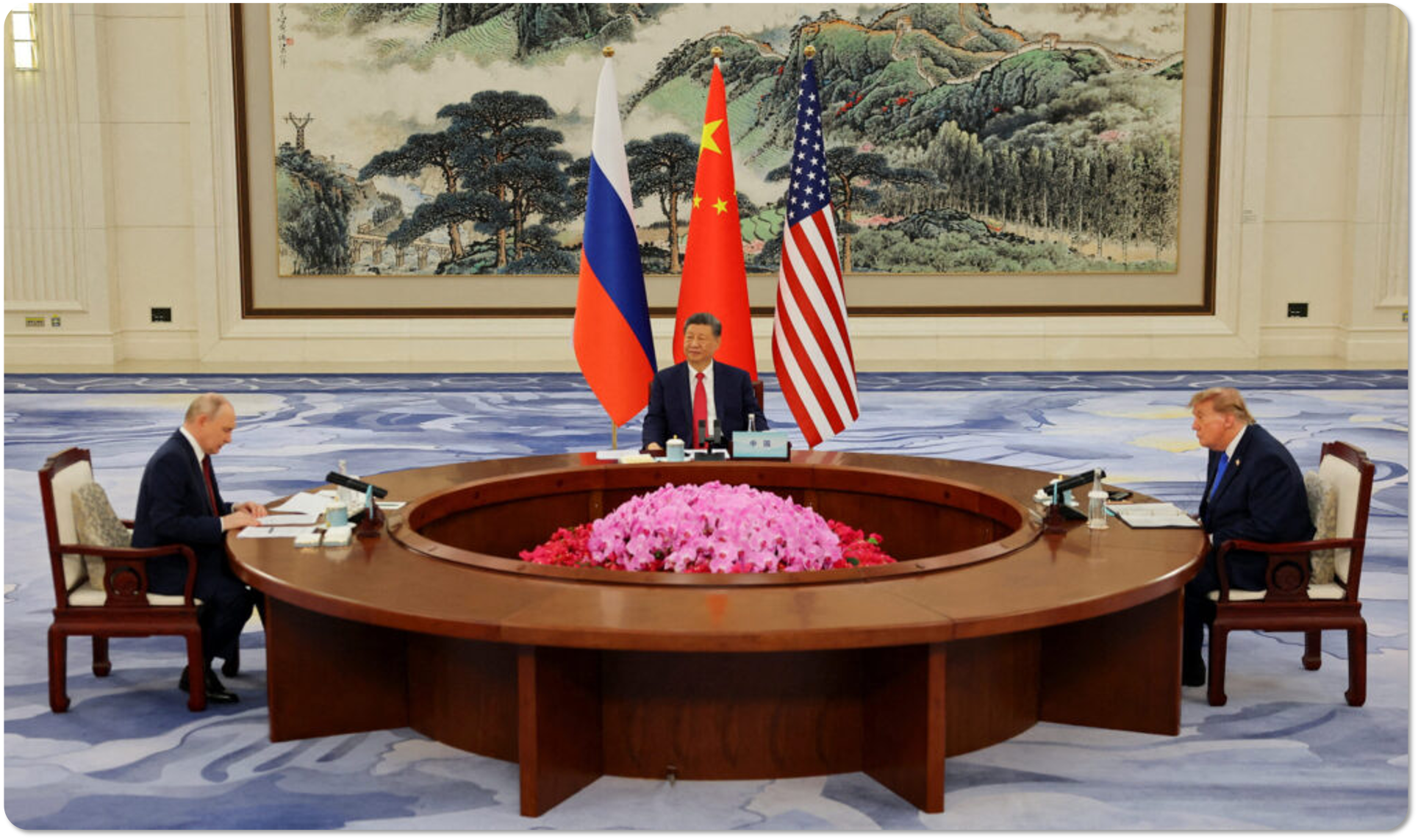
The summit happened during our trip, on November 19th, and just like any other summit, it was basically useless in terms of actual action taken, yet incredibly useful for reading the power shifts in the world.
The depiction of a calm Xi Jinping supervising his two children is worth its weight in gold.
Takeaway #1. Governments are acting like Venture Capitalists (The Hefei Model & Robert Wu )
When you look at how China builds strategic industries, you keep running into the “Hefei Model.”
Instead of handing out blind subsidies and hoping for the best, municipal governments act like disciplined, state-backed private equity funds… taking direct equity stakes in struggling or emerging tech champions (think BOE in displays, NIO in EVs, or CXMT in memory chips), building out their local supply chains, and exiting once the companies scale.
It’s industrial policy run with an investor’s mindset, a philosophy closely echoed by investors and operators like Robert Wu (founder of the Singapore-based private equity firm Tower Capital Asia and fellow Substack writer) who understand that capital only compounds when paired with patient, hands-on execution.
If you want to dive deeper, check out this field notes piece from Robert:

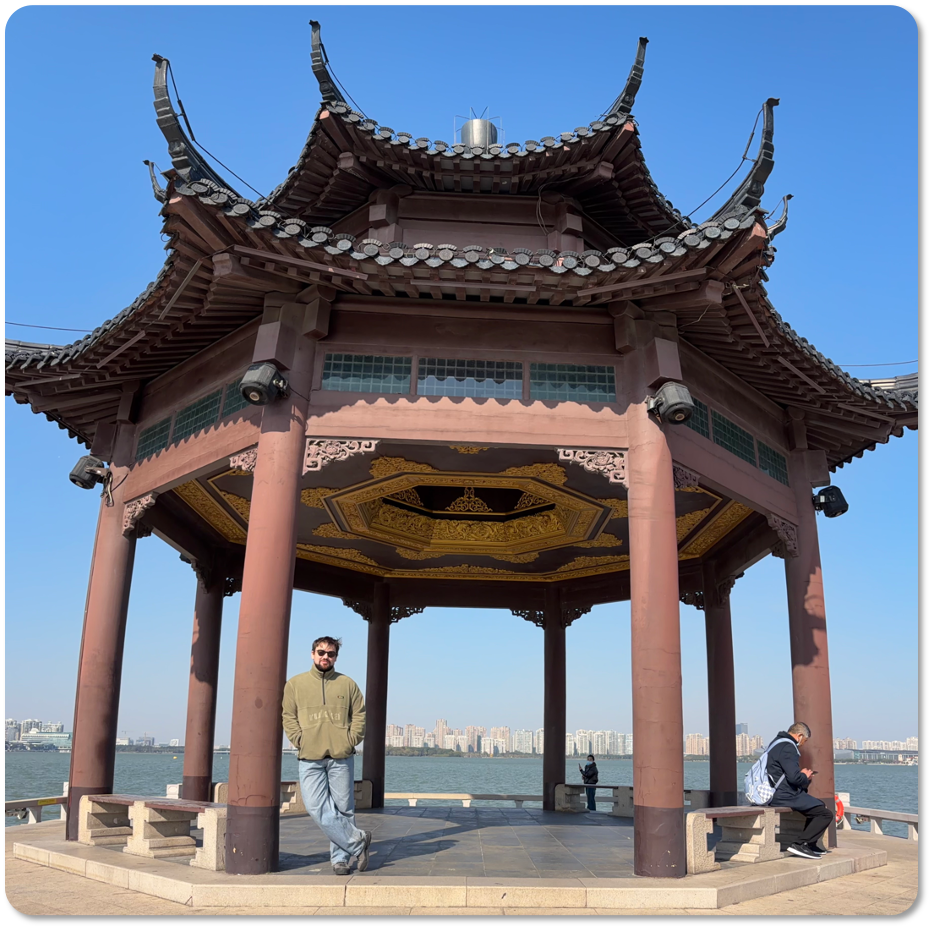
Takeaway #2. Clean urbanism has been borrowed from Singapore
Walk through Suzhou Industrial Park (SIP), which literally started as a joint flagship project between China and Singapore in 1994, or modern districts in Hangzhou and Shenzhen, and you immediately spot the DNA.
Wide, spotless boulevards, integrated underground transit, manicured green belts, and master-planned zoning. China took Singapore’s blueprint for high-density, hyper-efficient, livable urbanism and scaled it up by a factor of a hundred.
We’ve heard a lot of people talk about this as a publicity stunt similar to the Burj Khalifa in Dubai, where it’s all about projecting an image of power while trucks line up to haul out the poop, but that is simply not the case here.
All of the infrastructure is tremendously functional and very well maintained. It’s about giving tools to the people so they can prosper, and at that, they’re freaking amazing.
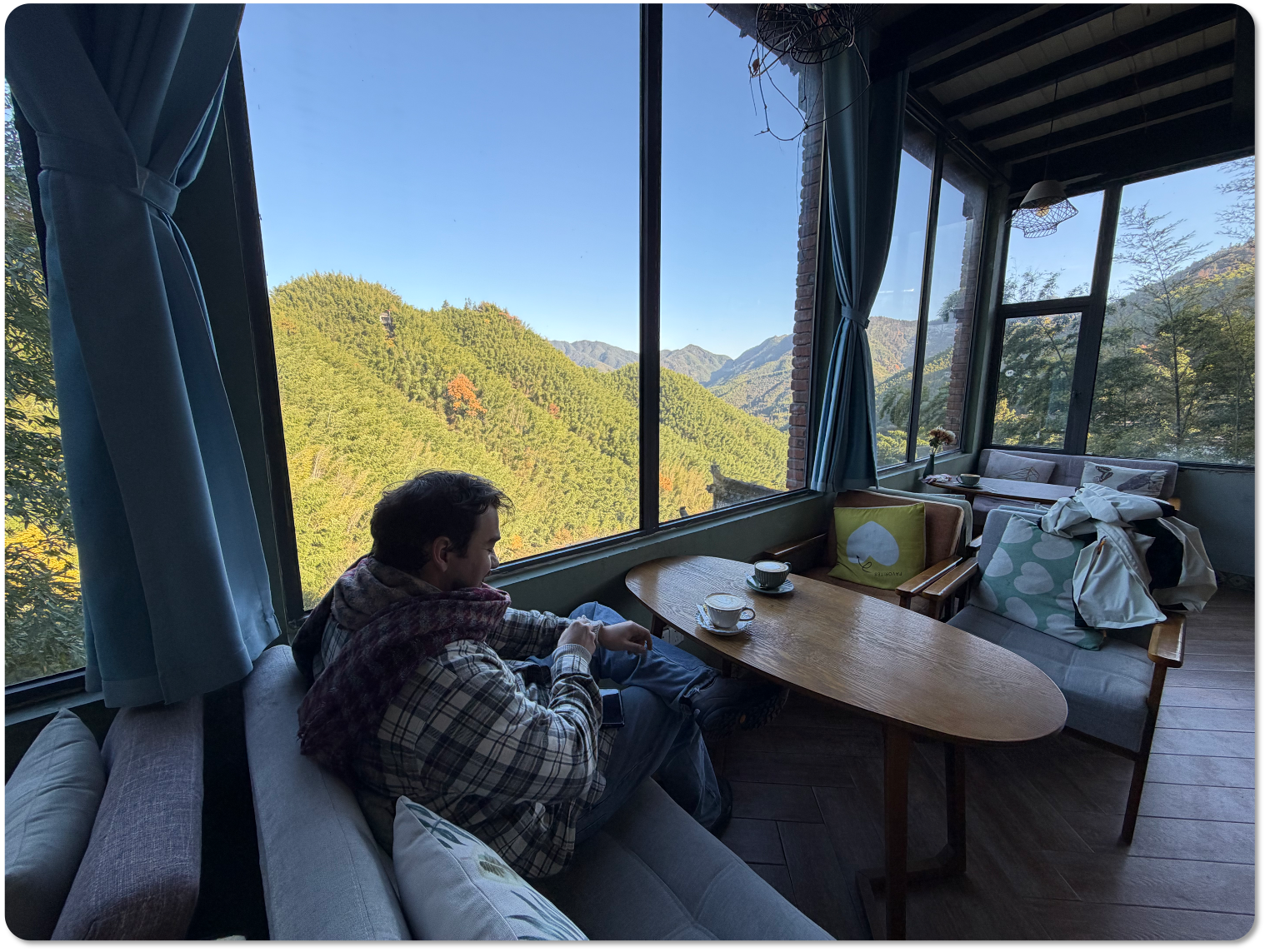
Takeaway #3. Tea plantations, sunflower seeds, and the art of “Slowing Down” are all subtly embedded into conversations
Step outside the tier-one skylines into the misty hills around Hangzhou and Huangshan, and the pace drops to zero.
Sitting beside terraced green tea plantations, where farmers still hand-pick leaves at dawn, you realize how central unhurried hospitality is to daily life.
Every conversation comes with endless refills of hot tea and a mountain of roasted sunflower seeds (guazi), which are served as snacks everywhere.
Cracking sunflower seeds for two hours straight is a social lubricant that forces everyone at the table to slow down and actually talk.
Takeaway #4. Water-based skincare vs. heavy European oils
Even the pharmacy aisles tell a story about climate and consumer habits.
While European personal care leans heavily on rich, oil-based creams and occlusive formulas designed for drier climates, Chinese skincare and care products overwhelmingly prioritize lightweight, water-based hydration, gel textures, and fast-absorbing essences.
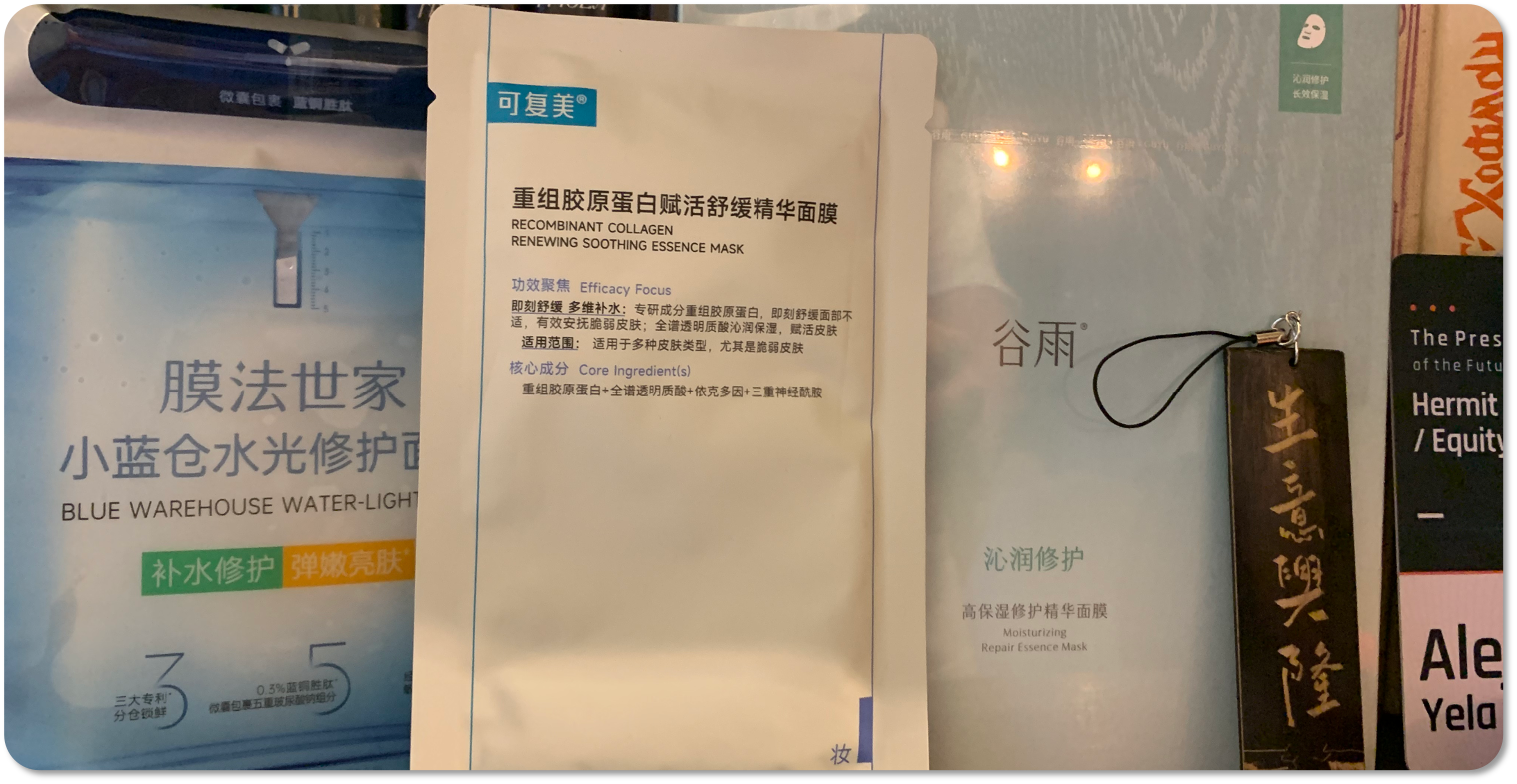
Once you experience the humidity of southern China, or just want something that doesn’t feel like you rubbed olive oil on your face before a meeting, it’s hard to go back.
Takeaway #5. Debt, NPLs, and face work differently in China
Western headlines love predicting an imminent Chinese debt collapse, usually by applying Wall Street bankruptcy logic to a completely different cultural operating system.
In China, debt and non-performing loans (NPLs) aren’t just numbers on a spreadsheet; they are deeply tied to social stability, state-owned Asset Management Companies (AMCs), and long-term relationships.
Rather than abruptly liquidating a distressed borrower and throwing thousands of people out of work, banks, local governments, and borrowers quietly restructure, extend, and work out obligations behind closed doors to preserve harmony and keep the underlying assets productive.
The banks are a bit iffy, as they sometimes double as tools for surveillance and corruption, yet there are plenty of high-quality players looking to make a buck while keeping the country’s balance sheets healthy. More importantly, it looks like 2027 could be a real turning point in terms of government support on this front.
We’ve already done a lot of this through companies like Mikro, Red Violet, and now doValue, so it’s definitely an interesting avenue to explore.
Takeaway #6. Global capital is very involved and necessary for local conviction, given how this is a game of specialists (Dennis Hong, Hyperliquid & Domayn)
Spending time with sharp thinkers and builders across Asia also reminds you how borderless modern capital and tech have become.
Whether it’s…
looking at how long-term crossover investors like Dennis Hong (ShawSpring Partners) underwrite durable compounders across global markets…
… watching decentralized infrastructure like Hyperliquid quietly eat centralized crypto exchanges alive with on-chain order books, or…
… seeing applied tech platforms like Domayn rethink digital infrastructure and enterprise workflows…
… the common thread is clear: the best operators don’t care about geography… they care about speed, product velocity, and removing friction.
Takeaway #7. There’s a very interesting math trap involved in Chinese discounts
Nothing humbles a confident Western shopper faster than a Chinese retail sign.
In English, “30% off” means you pay 70%.
In China, a sign reading 3折 (sān zhé, literally “3 fold”) means you pay 30% of the sticker price… meaning it’s actually 70% off.
Until your brain rewires itself, you will spend half your trip either celebrating fake bargains or accidentally walking away from the deal of the century.
Takeaway #8. The wonderful polite dance of rejecting gifts
Chinese culture is obsessed with the idea of too much. You’re not supposed to be too greedy, too much of a show-off, too noticeable, etc.
This is very noticeable whenever someone offers you a gift or insists on paying for dinner. In China, your first instinct might be to accept graciously or, conversely, to refuse so firmly that they drop it.
Both are rookie mistakes.
In Chinese etiquette, you are expected to politely decline a gift two or three times to show modesty and signal that you aren’t greedy, before warmly accepting it. If you snatch it on the first offer, you look overly eager; if you refuse forever, you rob the host of the honor of giving.
Takeaway #9. Riding the fish to #1
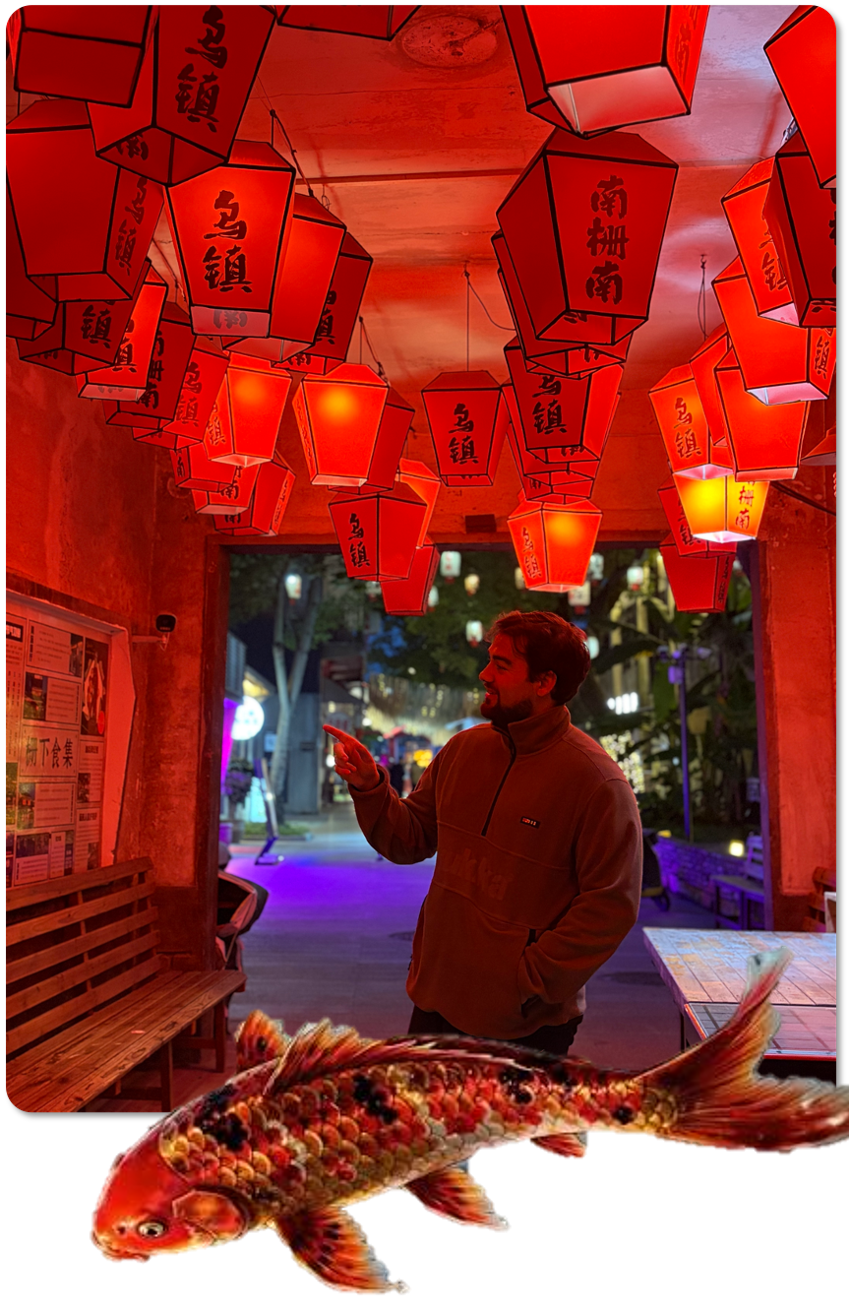
What I just did may be sacrilege, but here’s a poorly edited pic of me on a fish.
A little bit of context here. If you wander through the ancient wood-carved halls of Huizhou villages near Huangshan, and you’ll keep spotting roof ornaments and carvings of a scholar or figure riding atop a giant fish or dragon-carp.
This comes from the classic idiom áo tóu dú zhàn (独占鳌头), standing alone on the head of the giant sea turtle/fish, which historically meant placing first in the imperial examinations.
Today, it’s a wholesome reminder tucked into traditional architecture: aim to be #1 in your craft, and wear it with quiet pride.

Takeaway #10. “The Nail That Stands Out Gets Hammered”
While Western culture loves celebrating the loud maverick, East Asian social dynamics still carry the timeless proverb: “The nail that sticks out gets hammered down” (枪打出头鸟 in Chinese, literally “the bird that sticks its head out gets shot”).
In business and daily life, flashy arrogance invites unnecessary scrutiny. The smartest founders and executives we met keep a low profile, let their numbers do the talking, and blend seamlessly into the crowd while quietly building empires.
With that in mind, mediocrity is also shamed, so you don’t want to be on that end either.
Overall Take
Looking back across all the high-speed trains, factory floors, and late-night tea sessions, this was simply a fantastic, eye-opening experience… and we walked away with a few core truths that are hard to unsee:
Alignment beats handouts. Whether it’s the Hefei Model of municipal venture capital or patient private operators, building real industries requires skin in the game and long-term discipline, not blind subsidies.
Ego is the enemy of compounding. The best operators we met don’t care about being loud or famous. Like the nail that avoids the hammer while still aiming to ride the fish, they stay under the radar, obsess over execution, and let the results speak for themselves.
Optimize for continuity, not rupture. From quietly working through bad debt to cracking sunflower seeds over a pot of tea, the system is built to bend, absorb friction, and keep moving forward over decades rather than blowing things up every election cycle.
Every time we go east, our baseline for what is possible gets reset.
You realize how much noise we tolerate back home… and how much faster things move when infrastructure, capital, and culture all pull in the same direction.
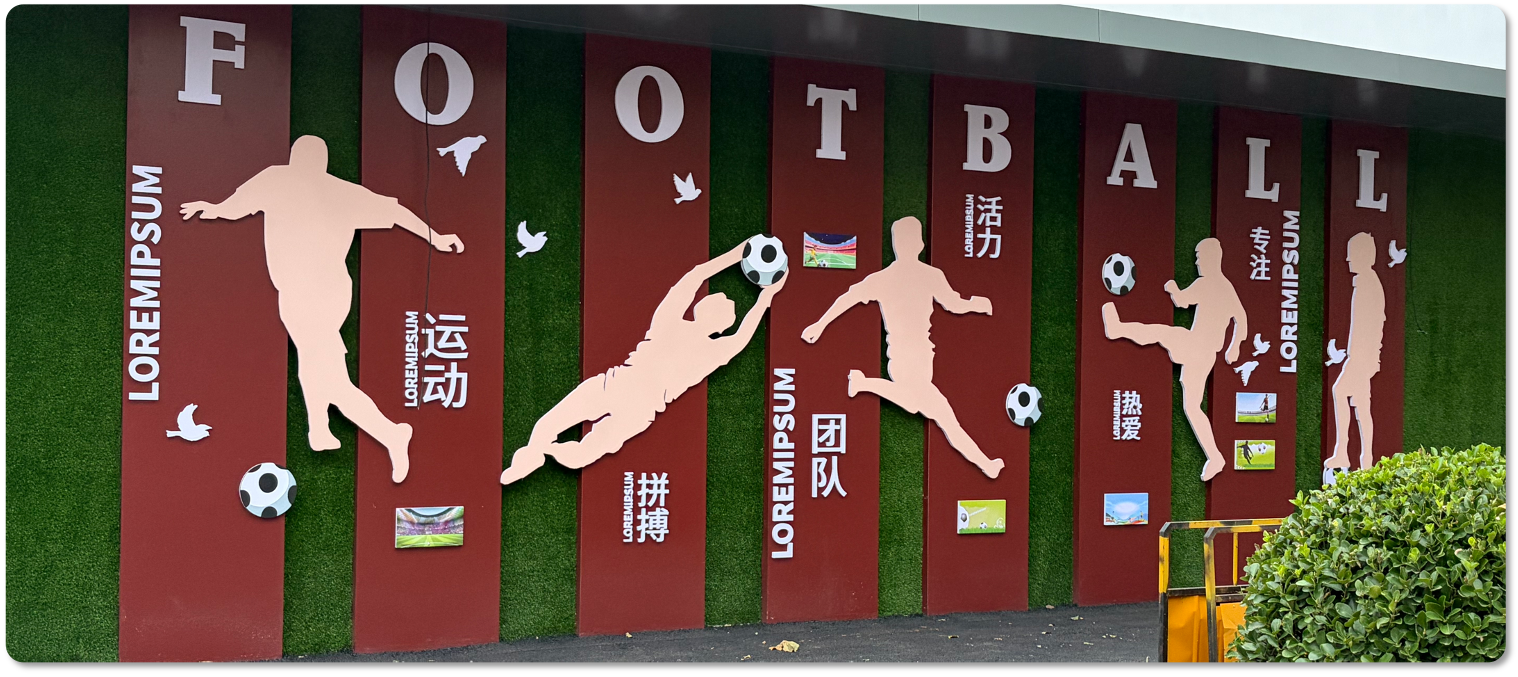
We’ll leave you with the not-so-great side of things, though. You know how people in the West sometimes tattoo themselves with Chinese characters that don’t mean what they think they mean?
Well, the exact same thing happens in reverse.
We caught this gem while walking down the streets of one of the megacities...

Do you love or detest these shorter, bite-sized breakdowns? Let us know in the comments below, and don’t forget to hit the ❤️ button if you enjoyed this piece.
And if you liked this post, we’re confident you’ll love this:
